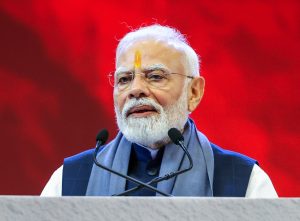
The government of Nepal’s policy and program document for the upcoming fiscal year 2081/82 was tabled at a joint meeting of the federal parliament, with President Ram Chandra Paudel addressing the session yesterday. The economic growth rate of Nepal is projected to reach 7.3 per cent in the next five years.
President Paudel highlighted refinancing and loan restructuring provisions to assist microfinance borrowers facing difficulties. Additionally, the government announced plans to offer loans to 1,000 youths to kick-start their businesses in the upcoming fiscal year. President Paudel emphasised the launch of an innovation and national startup campaign, aiming to foster collaboration with academic institutions and promote entrepreneurship across all seven provinces through business incubation initiatives.
Likewise, the plan includes increasing the human development index to 0.65 per cent from 0.601 per cent and the human property index to 78 per cent from 76.3 per cent. The 16th plan is expected to lower the economic and environmental risk index to 24 from 29.7 and increase life expectancy to 73 years from 71.3.
A target has been set to increase the literacy rate to 85 per cent from 76.2 per cent. A target has been set to reduce the population below the poverty line to 12 per cent from 20.3 per cent, and to reduce the consumer inflation rate to five per cent from 7.7 per cent. Nepal has set a target of 2,351 US dollars per capita income by the fiscal year 2085-86 BS. Around Rs 11.1 trillion investment has been estimated for implementing the 16th plan.
According to the government’s policies and programmes for the upcoming fiscal year presented by President Paudel, the National Policy and Action Plan for Mitigation and Adaptation of Climate Change and Disaster Risk Reduction are to be implemented.
The government’s programme includes expanding the use of international funds related to climate and establishing rights over such funds. The government’s policies and programmes include intensive advocacy in international fora for access and unconditional access to climate finance and diplomatic initiatives to receive financial assistance from International Funds under loss and damage due to climate change.
Sweta Singh (Kathmandu)