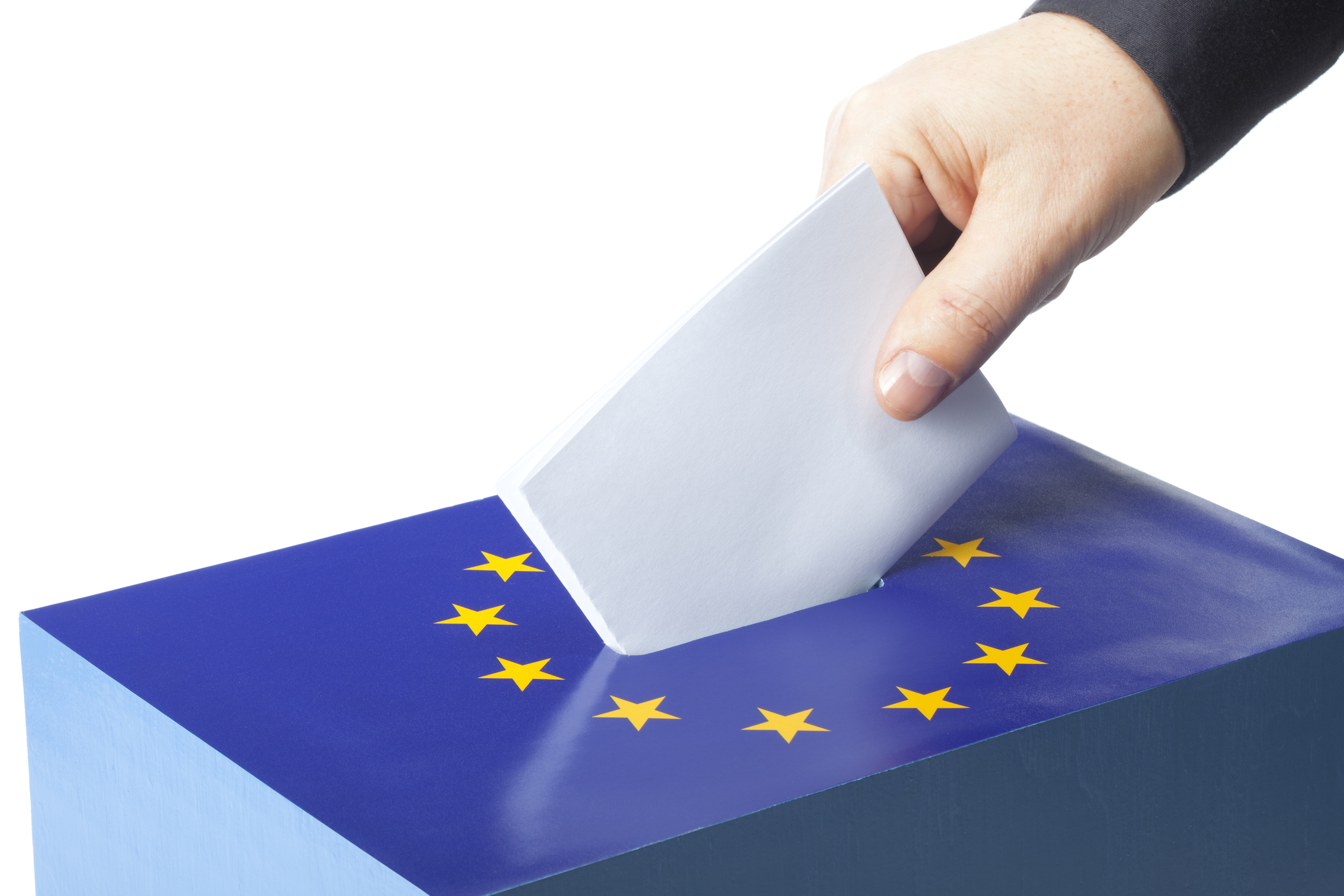
The Netherlands initiated voting Thursday in the European Union’s parliamentary elections, setting the stage for a crucial democratic exercise expected to highlight the rise of far-right parties across the 27-nation bloc.
Polling stations opened across the Netherlands, marking the start of four days of voting for the 751-seat European Parliament. The Dutch are the first to cast ballots, with the rest of the EU following with votes stretched over the remaining three days through Sunday.
Irish voters go to the polls on Friday, while the bulk of EU nations take part in the world’s second-largest exercise in democracy over the weekend. Results will be unveiled Sunday night after the last nation has voted.
The Dutch vote comes six months after the far-right Party for Freedom, led by anti-Islam firebrand Geert Wilders, made significant gains in the country’s national elections. Polls suggest the party could capitalize on that momentum at the EU level this time around.
Far-right populists have gained strength across Europe in recent years. Such parties either lead governing coalitions or are part of the government in Italy, Austria, and Poland. Their influence has also risen in France, Sweden, Hungary, and elsewhere.
The EU elections represent the world’s second-largest democratic exercise, trailing only behind India’s elections in terms of scale. With almost 400 million voters across the EU, the electorate will select 720 members of the European Parliament, spanning from the Arctic circle to the borders of Africa and Asia. The outcome of these elections will shape policies on global issues ranging from climate change and defence to migration and international relations with major players like China and the United States.
For the EU’s traditional heavyweight parties, much is at stake. The center-right European People’s Party, led by European Commission President Ursula von der Leyen, remains parliament’s biggest bloc but has lost ground over the years. It’s looking to join forces with pro-EU parties to cement a majority.
The allocation of MEPs across member states varies based on population size, ranging from six seats for smaller nations like Malta, Luxembourg, and Cyprus to 96 seats for Germany. Following the departure of the United Kingdom from the EU in 2020, the number of MEPs decreased from 751 to 705, with some seats reallocated to other member states.
MEPs play a crucial role in shaping EU legislation, covering a wide array of areas such as climate, banking, agriculture, fisheries, security, and justice. Additionally, they hold sway over the EU budget, which is integral to implementing European policies, including aid provisions to countries like Ukraine.
Following the election, MEPs will convene to elect their president during the first plenary session scheduled from July 16-19. Subsequently, likely in September, they will nominate the president of the European Commission, based on a proposal put forth by member states. In the 2019 elections, Ursula von der Leyen secured a narrow victory to become the first woman to lead the European Commission.
Some 400 million voters across the EU’s member countries are eligible to take part in picking the parliament.
(Inputs from ANI)