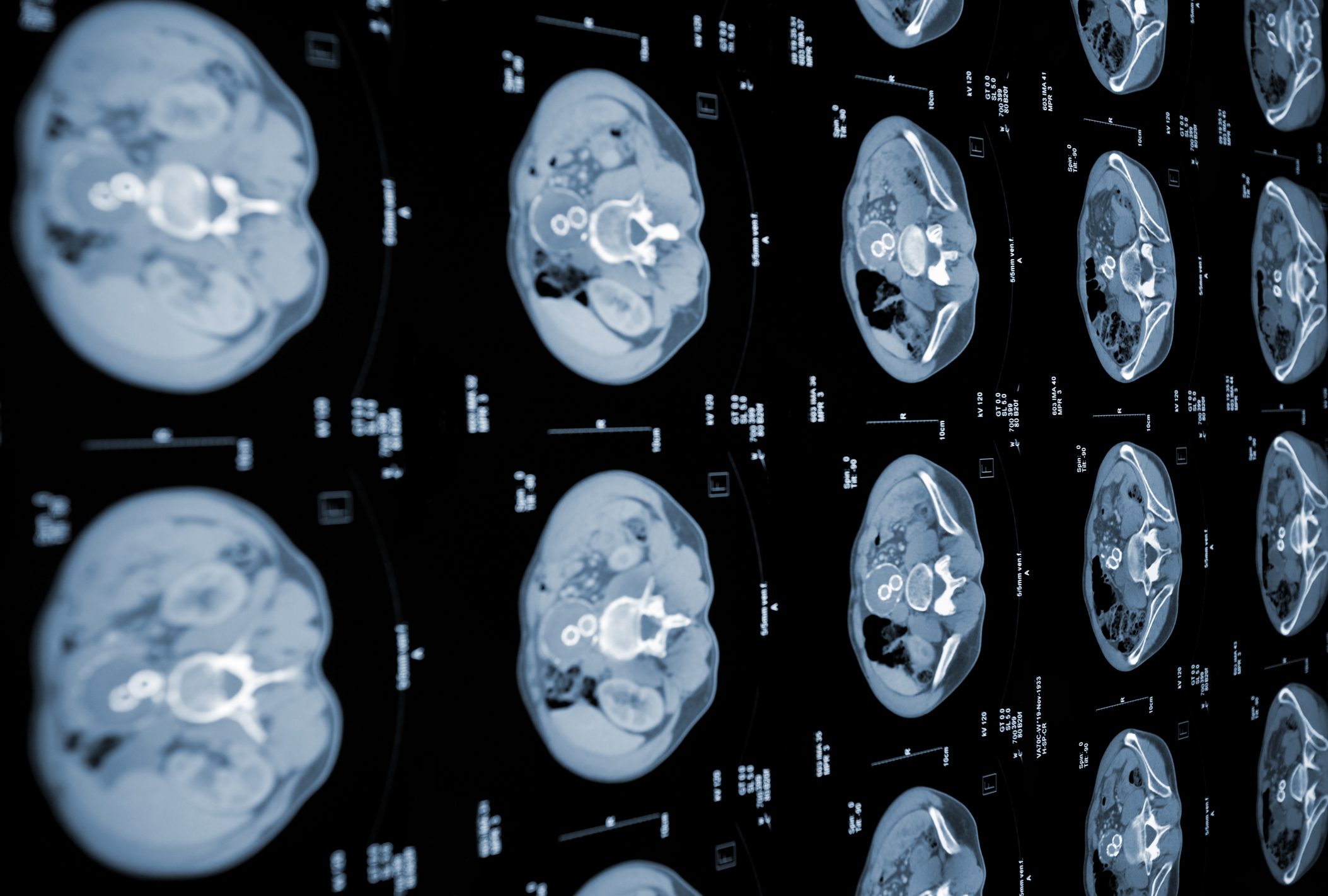
Scientists at the Weizmann Institute of Science have developed a groundbreaking magnetic resonance imaging (MRI) technique that could revolutionize the early detection of pancreatic cancer, one of the deadliest forms of the disease.
The innovative method, detailed in a recent issue of Science Advances, leverages the unique way cancer cells metabolize glucose to illuminate tumors that are often invisible to conventional imaging techniques.
Pancreatic cancer, while relatively rare, is projected to become the leading cause of cancer-related deaths by 2030 due to its late detection and poor prognosis. The pancreas’s deep location within the abdomen makes early diagnosis challenging, often delaying treatment until it’s too late.
“Traditional MRI fails to detect pancreatic tumors because the scanning is not specific enough,” said Prof. Lucio Frydman, one of the study’s lead researchers. “Doctors can’t see the tumor until the patient feels its effects.”
The new technique builds on the “Warburg effect,” a phenomenon where cancer cells consume glucose at unusually high rates compared to healthy cells. By injecting mice with chemically altered glucose containing deuterium, a stable isotope of hydrogen, the researchers were able to track the metabolic products unique to cancer cells.
“In healthy cells, glucose digestion ends with carbon dioxide, which we exhale,” Frydman said. “Cancer cells, however, stop this process early, producing lactate, which aids in their proliferation.”
The team developed advanced experimental and image-processing techniques to detect the small amounts of deuterized lactate produced by cancer cells, overcoming the interference from abundant water signals that typically obscure conventional MRI results.
In trials, the new MRI scans illuminated even the smallest tumors, while healthy tissues remained dark. This level of precision could not only improve early detection but also help in treatment selection and monitoring.
“This could establish deuterium MRI as a preferred method for diagnosing hard-to-identify pancreatic tumors and choosing the treatment that will generate the best prognosis,” Frydman added.
(Inputs from ANI)