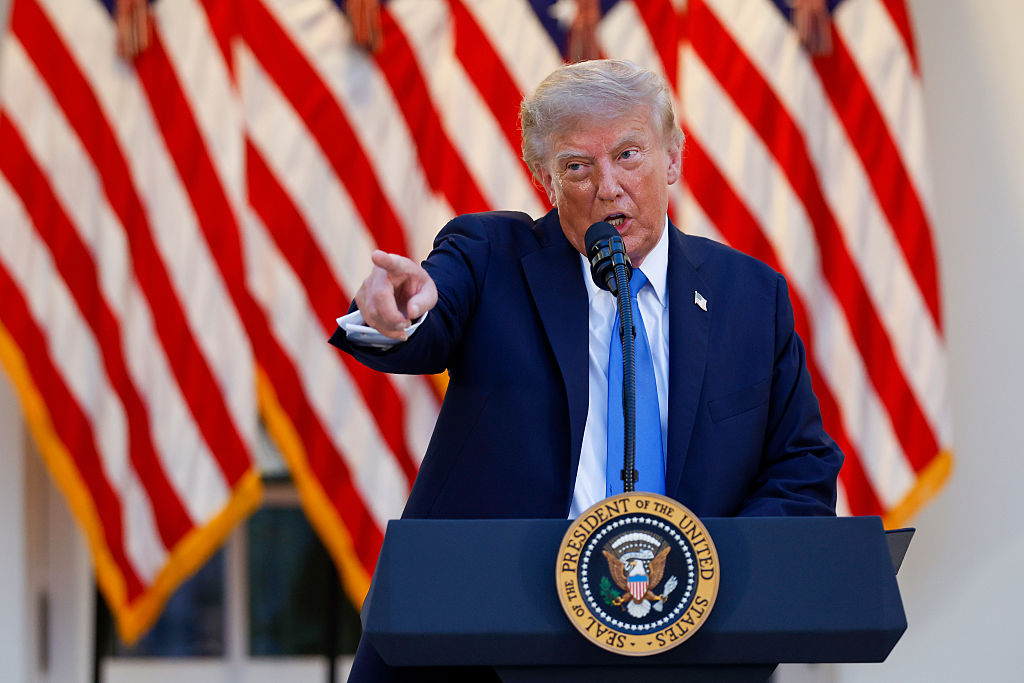
The United States will not hold negotiations with Iran until Tehran stops attacking commercial ships, US Vice President J.D. Vance has said, warning that Washington could use economic, military, diplomatic and covert pressure to protect global energy supplies and prevent Iran from rebuilding its nuclear programme.
“The President’s been very clear, we’re not talking to them and we’re not going to talk to them unless they stop shooting at commercial shipping,” Vance said at a White House press briefing.
Vance said the US would not set a deadline for ending its operations, as their duration would depend on Iran’s actions in the Strait of Hormuz, a key route for global energy shipments.
“We’re not going to set an artificial timeline,” he said, arguing that disclosing a timetable would be irresponsible while Iran continued to threaten oil and gas vessels.
Rejecting descriptions of the situation as an ongoing war, Vance said major combat operations were no longer taking place and that the immediate US objective was to maintain the flow of energy through the strait.
“The Iranians would like zero million barrels to come out of the Strait of Hormuz. Last night, 15 million barrels came out of the Strait of Hormuz,” he said. “That’s because of the United States of America.”
Vance said the absence of a global energy crisis reflected US efforts to protect commercial shipping and maintained that no other country had the capability to perform that role.
He declined to say whether the administration was considering arming Iranian dissidents but said President Donald Trump retained several options.
“Everything that could happen is on the table: Economic pressure, military pressure, diplomatic pressure, covert pressure,” Vance said.
Vance also said China had responded to some US requests concerning Iran, although he was unsure whether Trump had spoken directly with Chinese President Xi Jinping about restricting financial services to Tehran.
“I think the Chinese, the PRC, being willing to play ball here,” Vance said. “I’m not saying they’re doing everything that we’ve asked them to do, but I think that the PRC has been much more responsible certainly than the Iranians.”
Turkey, Azerbaijan, the United Arab Emirates, Saudi Arabia and Qatar were also helping to pressure Iran, Vance said, adding that some governments were cooperating privately without publicly acknowledging their role.
He said the pressure campaign had two objectives: protecting commercial shipping and denying Tehran the resources needed to restore its nuclear capabilities.
“So far, we haven’t seen them try to do so, but part of what we’re doing here is, having destroyed their nuclear enrichment capacity, we’re trying to ensure they don’t rebuild it,” he said.
The Strait of Hormuz is a critical waterway for global petroleum shipments, connecting oil-producing Gulf countries with international markets. Any disruption could increase shipping and insurance costs and push up global energy prices.
(IANS Inputs)