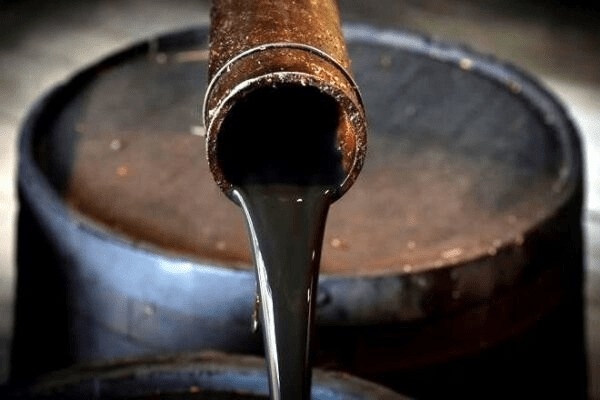
Oil prices slipped on Monday after OPEC+ surprised markets by hiking output more than expected in August, while uncertainty over U.S. tariffs and their potential impact on global economic growth weighed on demand expectations.
Brent crude futures LCOc1 fell 24 cents, or 0.35%, to $68.06 a barrel by 0642 GMT, while U.S. West Texas Intermediate crude CLc1 was at $66.31, down 69 cents, or 1.03%.
The Organization of the Petroleum Exporting Countries and their allies, a group known as OPEC+, agreed on Saturday to raise production by 548,000 barrels per day in August.
“The increased production clearly represents a more aggressive competition for market share and some tolerance for the resulting decline in price and revenue,” Tim Evans of Evans Energy said in a note.
The August increase is a jump from monthly increases of 411,000 bpd OPEC+ had approved for May, June and July, and 138,000 bpd in April.
The decision will bring nearly 80% of the 2.2 million bpd voluntary cuts from eight OPEC producers back into the market, RBC Capital analysts led by Helima Croft said in a note.
However, the actual output increase has been smaller than planned so far and most of the supply has been from Saudi Arabia, they added.
In a show of confidence in oil demand, Saudi Arabia on Sunday raised the August price for its flagship Arab Light crude to a four-month high for Asia.
Goldman analysts expect OPEC+ to announce a final 550,000 bpd increase for September at the next meeting on August 3.
Oil also came under pressure as U.S. officials flagged a delay on when tariffs would begin but failed to provide details on changes to the rates that will be imposed.
The U.S. is close to finalising several trade agreements in the coming days and will notify other countries of higher tariff rates by July 9, President Donald Trump said on Sunday, with the higher rates scheduled to take effect on August 1.
Trump in April announced a 10% base tariff rate on most countries and higher “reciprocal” rates ranging up to 50%, with an original deadline of this Wednesday.
However, Trump also said levies could range in value from “maybe 60% or 70% tariffs to 10% and 20%”, further clouding the picture.
Investors are worried higher tariff rates could slow economic activity which would reduce demand for oil.
“Concerns over Trump’s tariffs continue to be the broad theme in the second half of 2025, with dollar weakness the only support for oil for now,” said Priyanka Sachdeva, a senior market analyst at Phillip Nova.
(Reuters)