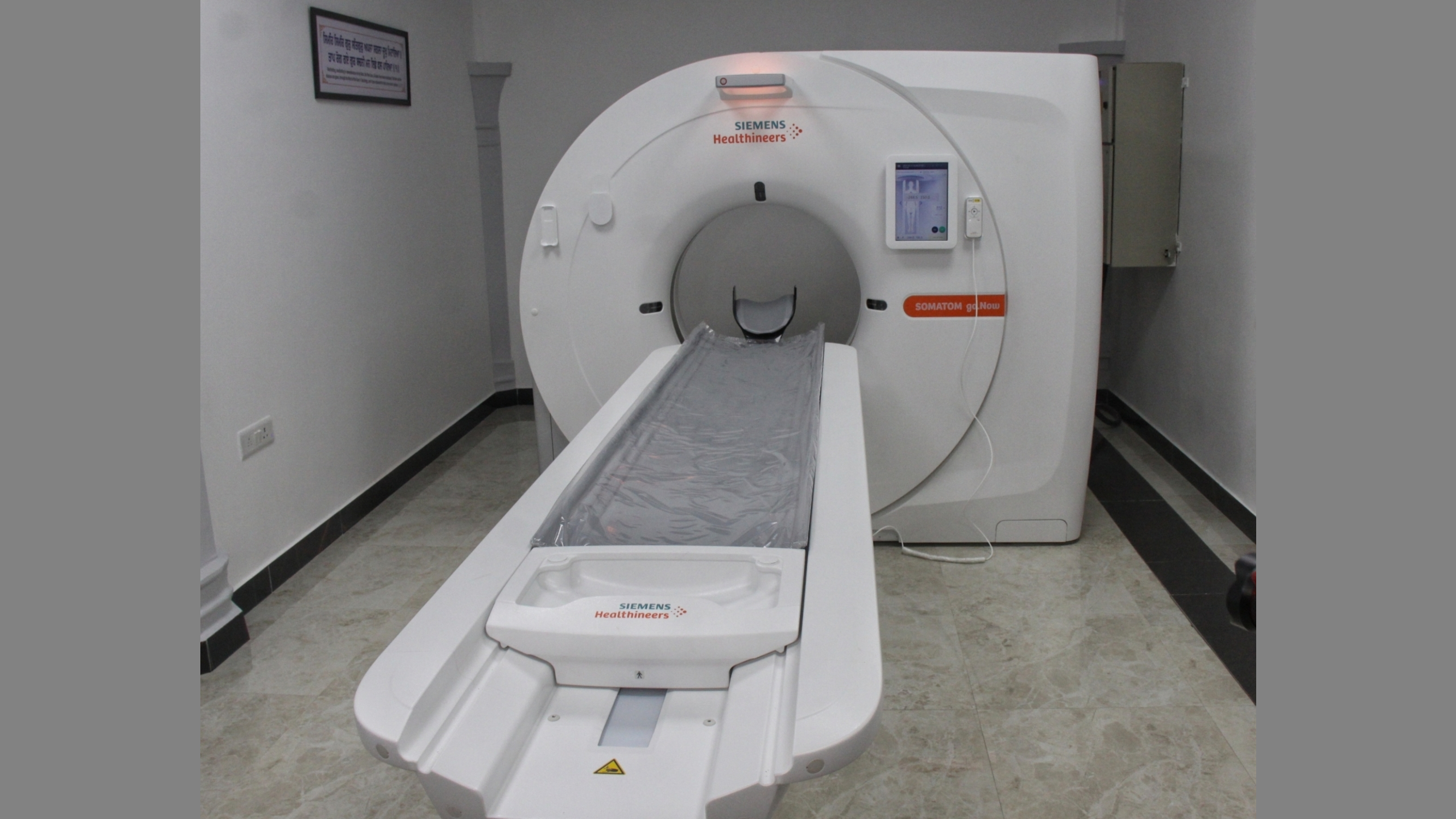
Women who have undergone computed tomography imaging may be at slightly higher risk for pregnancy loss and birth defects in later pregnancies, according to findings from a large Canadian study.
The increase in risk is small and dependent on the number of CT scans women underwent before becoming pregnant, said study leader Dr. Camille Simard of Jewish General Hospital in Montreal.
Among more than 5.1 million pregnancies in Ontario, Canada between 1992 and 2023, 687,692 were in women who had been exposed to radiation from CT scans a month or more before conceiving, according to a report of the study in Annals of Internal Medicine.
The rate of spontaneous pregnancy loss due to miscarriage, ectopic pregnancy or stillbirth in mothers who had undergone one preconception CT scan was 117 for every 1,000 pregnancies. For those who had two, or at least three CT scans, the rate was 130 and 142 per 1,000 respectively. That compared with 101 spontaneous pregnancy losses per 1,000 after no previous CT scans.
After accounting for individual risk factors, the odds of pregnancy loss were 8% higher with one earlier CT scan, 14% higher with two, and 19% higher for three or more scans, researchers found.
Rates of pregnancy loss were slightly higher in women whose previous CT imaging had involved the abdomen, pelvis, and lower spine, regions closer to the ovaries.
Half of the scans had been done four or more years earlier. The risk of pregnancy loss rose as the timing of the most recent CT scan came closer to the conception date, the researchers also found.
The pattern was similar for congenital defects, with 62 per 1,000 in babies of mothers with no previous CT scan, 84 in those with one previous CT scan, 96 with two scans, and 105 after three or more scans.
Like X-rays, CT uses ionizing radiation, but at a significantly higher dose.
The study cannot prove CT scans caused pregnancy loss or birth defects, and the findings should not hinder the use of CT imaging when indicated, the researchers said.
They noted, however, that egg-sheltering follicles in the ovaries “may be vulnerable to damage from ionizing radiation at any point, including many months or years before conception,” resulting in genetic mutations and chromosomal changes in the unfertilized egg that might have consequences after fertilization.
“The implications of this work are profound,” Dr. Seth Hardy of Penn State Health in Hershey wrote in an accompanying editorial.
Previous studies found that more than one-third of diagnostic scans may have been unnecessary, Hardy noted.
The message for physicians, Simard said, is to use existing best practices.
“Follow appropriateness criteria when deciding between CT, ultrasound and magnetic resonance imaging, be thoughtful about CT use in young women, and communicate clearly with patients why CT is the best option for their specific case,” she said.
(Reuters)