











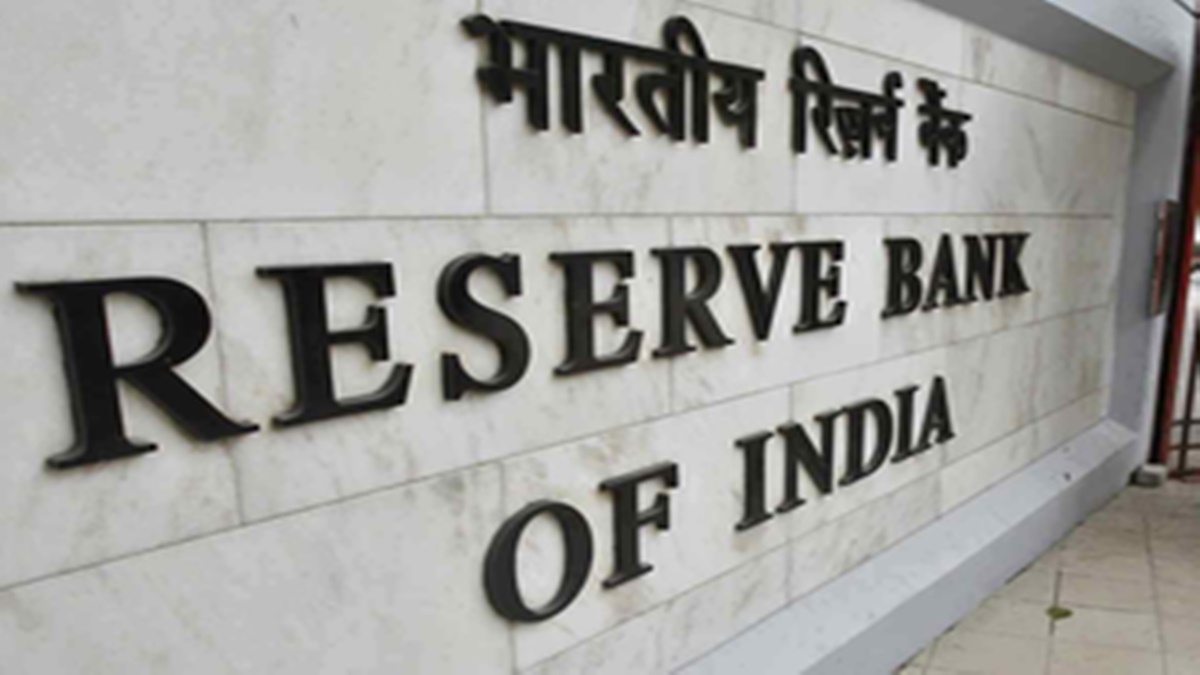
RBI Governor Sanjay Malhotra introduced a new ‘.bank.in’ internet domain for Indian banks and stricter authentication protocols for digital transactions on Friday, as part of his unveiling of the Monetary Policy.
“The Reserve Bank shall implement the bank.in exclusive internet domain for Indian banks,” Malhotra said.
In a bid to reduce online financial fraud, the RBI will implement the ‘bank.in’ domain exclusively for banks in India starting April 2025.
Malhotra emphasized that this initiative will ensure customers can distinguish legitimate banking websites from fraudulent ones. Following this, a ‘fin.in’ domain will be introduced for the broader financial sector.
Expressing concern over the surge in digital fraud, Malhotra stressed the need for joint action by all stakeholders. He said, “The surge in digital fraud is a matter of concern. It warrants action from all stakeholders. The Reserve Bank has been taking various measures to enhance digital security in the banking and payment systems.”
He added, “The introduction of an additional factor of authentication for digital payments is one such measure. It is now proposed to extend this to online international digital payments made to offshore merchants who are enabled for such authentication.”
The RBI has already introduced additional authentication factors for digital payments, and this security measure will now be extended to online international transactions made to offshore merchants, ensuring safer cross-border digital payments.
To help market participants manage interest rate risks, the RBI has expanded its suite of interest rate derivative products.
A new forward contract for government securities will be introduced, benefiting long-term investors such as insurance funds. This will enable more efficient pricing of derivatives linked to government securities and enhance risk management across interest rate cycles.
In an effort to boost retail participation in government securities, the RBI has announced expanded access to the NDS-OM platform, which facilitates secondary market trading of government securities. This move will allow non-bank brokers registered with SEBI to access the platform, further deepening the bond market and increasing participation from non-bank financial entities.
Acknowledging evolving market dynamics, the RBI will set up a working group to conduct a comprehensive review of trading and settlement timings across the five different RBI-regulated financial markets. The group, comprising representatives from various stakeholders, will submit its report by April 30, 2025.
The credit-deposit ratio (CDR) of banks stood at 80.8 percent as of January 2025, remaining stable compared to September 2024.
Malhotra reassured that liquidity buffers in banks remain adequate, with strong Return on Assets (RoA) and Return on Equity (RoE), despite a moderation in net interest margins. The financial system for Non-Banking Financial Companies (NBFCs) also remains robust.












