











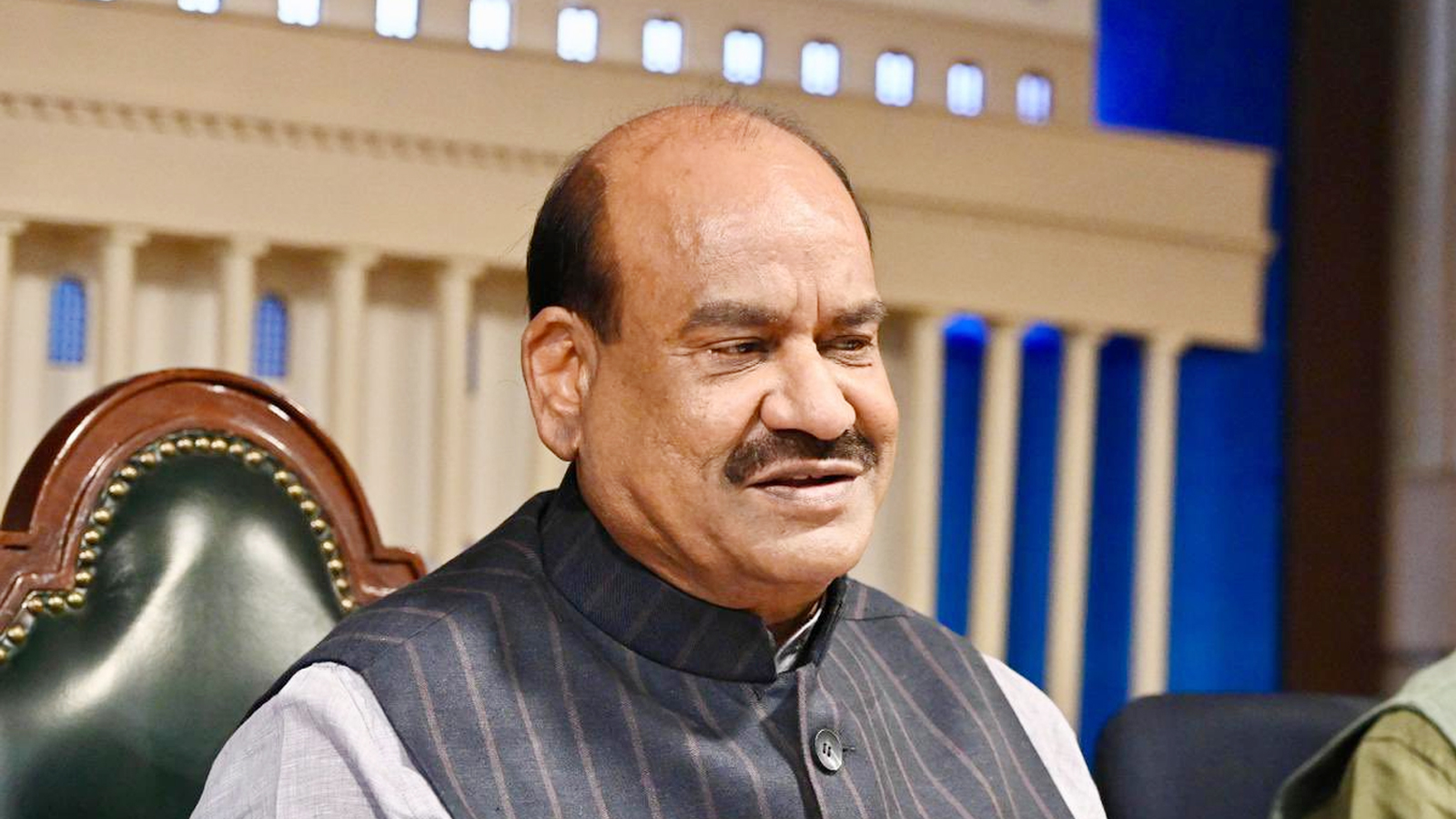
Lok Sabha Speaker Om Birla on Thursday underscored that the rule of law, supported by effective enforcement, is crucial for driving economic growth and achieving the vision of a Viksit Bharat by 2047. He was addressing officers of the 77 RR Batch of the Indian Police Service (IPS) during the inauguration of a two-day Appreciation Course organized by the Parliamentary Research and Training Institute for Democracies (PRIDE).
Birla stressed that the laws and policies framed by the legislature can only bring meaningful change when implemented effectively by dedicated civil servants. Urging the young IPS officers to uphold the spirit of the Constitution in their professional conduct, he said their actions should reflect the values of service and integrity exemplified by Dr. B.R. Ambedkar. “The Constitution of India, crafted after extensive debate and discussion by the Constituent Assembly, continues to be a source of pride and guidance for our nation and is admired across the world,” he noted.
Encouraging the officers to adopt the mantra of ‘Sewa’ and ‘Samarpan’, Birla urged them to approach their duties with sincerity, dedication, and patriotism. “Those who work with honesty and commitment earn the trust and respect of the people. Serving the public provides a sense of fulfilment that few other professions can offer,” he remarked.
Highlighting the constitutional values of liberty, equality, and fraternity, the Speaker said police officers play a vital role in ensuring justice for the most vulnerable sections of society, often under challenging circumstances. He reminded the officers of their immense responsibility to uphold public trust and maintain law and order.
Drawing from his long experience in public life, Birla emphasized the importance of close coordination between public representatives, the police, and administrative officials for the overall development of society. He said effective policing depends on maintaining strong community relations and upholding the rule of law with compassion and fairness.
Birla also lauded the increasing participation of women in the Indian Police Service, noting that their empathy and sensitivity have strengthened the force and improved its engagement with the public. He called upon officers to enhance their technical proficiency to tackle emerging challenges such as cybercrime and disaster management, alongside their traditional policing duties.
He urged the trainee officers to study the three new criminal codes enacted by Parliament to fully understand their spirit and purpose. Stressing the need for a global outlook, Birla said IPS officers must be equipped to address transnational challenges such as organized crime, terrorism, and cyber threats while ensuring the protection of the innocent and the punishment of the guilty.
The inaugural session also featured a Welcome Address by Lok Sabha Secretary-General Utpal Kumar Singh and a Vote of Thanks delivered by Gaurav Goyal, Joint Secretary, Lok Sabha Secretariat.







