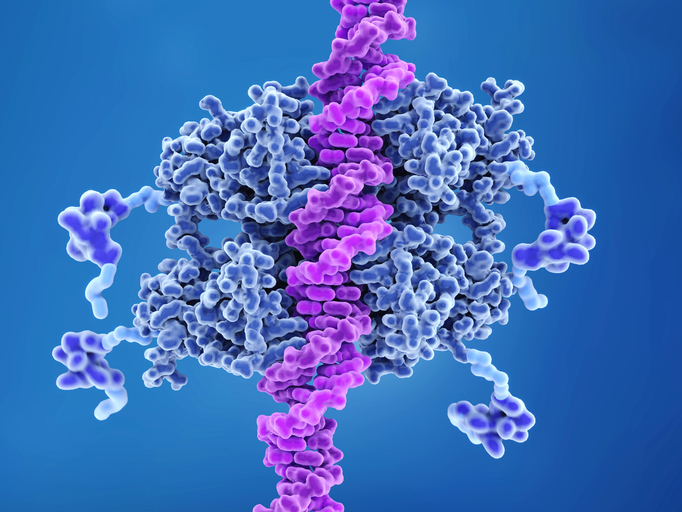
Researchers at Houston Methodist have discovered that a protein tied to neurodegenerative conditions such as dementia and amyotrophic lateral sclerosis (ALS) also helps control a critical DNA repair process, according to a press release issued by ScienceDaily.
This repair system, known as DNA mismatch repair, corrects mistakes that occur when cells copy genetic material.
The discovery suggests that the protein may influence both brain diseases and cancer, potentially reshaping how scientists think about these major health conditions.
The study, published in Nucleic Acids Research, shows that the protein ‘TDP43’ regulates genes responsible for fixing DNA errors.
According to the release, when levels of this protein drop too low or rise too high, those repair genes become overly active. Instead of protecting cells, the heightened repair activity can harm neurons and destabilise the genome, which may increase the risk of cancer.
“DNA repair is one of the most fundamental processes in biology,” said lead investigator Muralidhar L Hegde, PhD, professor of neurosurgery at the Houston Methodist Research Institute’s Centre for Neuroregeneration.
“What we found is that TDP43 is not just another RNA-binding protein involved in splicing, but a critical regulator of mismatch repair machinery. That has major implications for diseases like ALS and frontotemporal dementia (FTD) where this protein goes awry,” added Hegde.
The researchers also uncovered evidence linking the protein to cancer. By analysing large cancer databases, the team found that higher amounts of TDP43 were associated with greater numbers of mutations in tumours.
“This tells us that the biology of this protein is broader than just ALS or FTD,” Hegde said. “In cancers, this protein appears to be upregulated and linked to increased mutation load. That puts it at the intersection of two of the most important disease categories of our time: neurodegeneration and cancer,” added Hedge, as per the release.
The scientists say the findings may also point toward new treatment approaches. In laboratory models, reducing the excessive DNA repair activity caused by abnormal TDP43 helped partially reverse cellular damage.
Hegde said that controlling DNA mismatch repair may offer a therapeutic strategy.
(ANI)