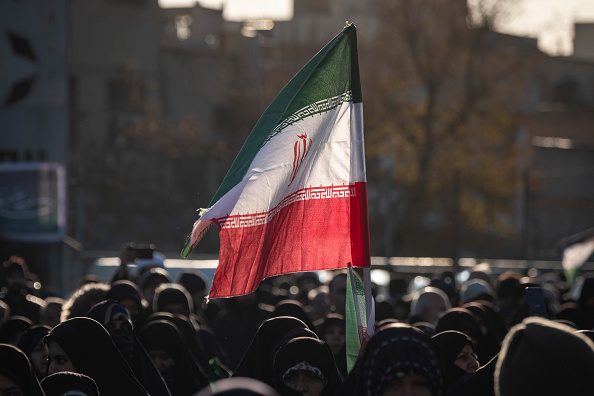
Several people were killed during overnight unrest in Iran as the country witnessed its most intense wave of protests in nearly three years, sparked by soaring inflation, currency depreciation and worsening economic conditions.
Iranian media and human rights groups reported fatalities in multiple locations, including the western city of Lordegan and parts of the central province of Isfahan, as clashes between demonstrators and security forces escalated into Thursday. Protests, which began on Sunday, were initially led by shopkeepers and merchants angered by the government’s handling of a deepening currency crisis and rising consumer prices.
The semi-official Fars news agency said two people were killed in Lordegan during confrontations with security forces, describing the protesters involved as armed, though earlier reports suggested a higher death toll.
Demonstrations continued on Thursday in Iran’s southern Fars province, according to local sources, with merchants, shop owners and university students staging coordinated protests and shutting down major bazaars in several cities.
The unrest comes at a sensitive time for Iran’s leadership as Western sanctions continue to weigh heavily on an economy struggling with inflation nearing 40 per cent. The situation has been further compounded by Israeli and U.S. airstrikes in June that targeted Iran’s nuclear facilities and military command centres.
In response to the growing protests, authorities tightened security across several regions while also signalling a willingness to engage in dialogue. The government announced it would hold direct talks with representatives of trade unions and merchant groups in an attempt to ease tensions.
The Basij paramilitary force, operating under the Islamic Revolutionary Guards Corps, has been deployed as part of the security response. On Wednesday, the government declared a nationwide holiday, officially citing cold weather, a move widely seen as an effort to curb the spread of demonstrations.
Iran’s economy has been under sustained pressure due to long-standing U.S. and Western sanctions linked to its nuclear programme. The Iranian rial has lost nearly half its value against the dollar in 2025, while inflation climbed to 42.5 per cent in December, intensifying public anger and driving the current wave of protests.