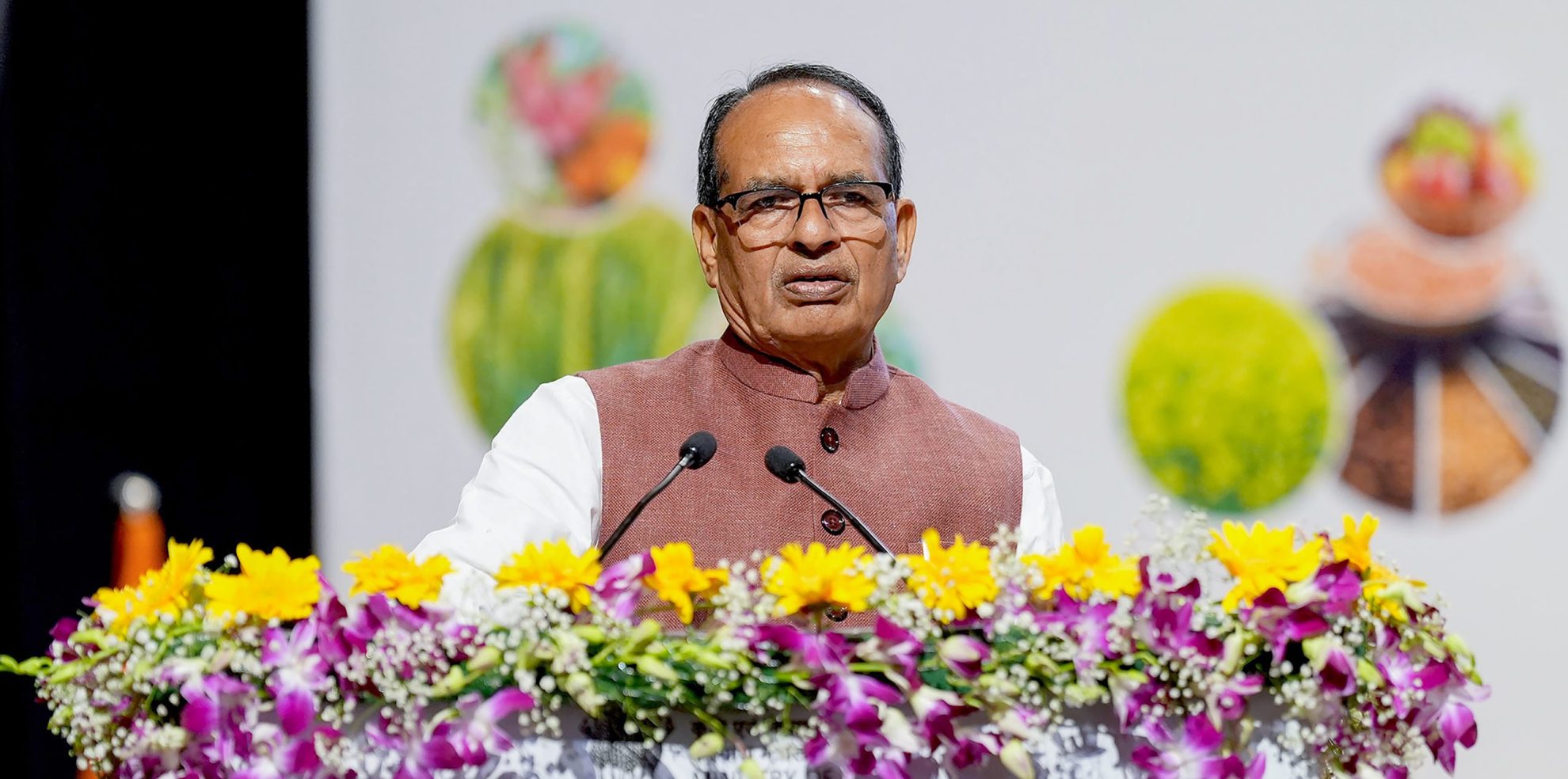
Union Agriculture and Farmers Welfare Minister Shivraj Singh Chouhan will dedicate India’s first indigenous inactivated H5N1 (Clade 2.3.2.1a) vaccine for chickens to the nation on November 20, 2026, at the ICAR-National Institute of High Security Animal Diseases (ICAR-NIHSAD) in Bhopal.
Developed indigenously by ICAR-NIHSAD, the vaccine is the first in the country specifically designed to protect chickens against the H5N1 Highly Pathogenic Avian Influenza (HPAI) virus belonging to Clade 2.3.2.1a.
Background
Highly Pathogenic Avian Influenza (HPAI), commonly known as bird flu, is a serious infectious disease affecting poultry. Outbreaks can cause mortality of nearly 100 per cent among infected birds, resulting in substantial financial losses for poultry farmers due to large-scale culling and trade restrictions.
The impact extends beyond poultry farms, affecting international trade, prices of poultry products and the livelihoods of farmers. Since the disease was first detected in India in 2006, more than 500 combined outbreaks involving the H5N1 and H5N8 subtypes have been reported in the country.
A major bird flu outbreak could reduce India’s GDP growth by up to 1.5 per cent, while more than 20 per cent of the country’s poultry population could be at risk if the disease spreads unchecked. The 2006 outbreak caused estimated direct and indirect losses of Rs 2,200-3,000 crore. An outbreak in Manipur also resulted in losses equivalent to 0.5 per cent of the state’s GDP.
Bird flu is also a public health concern. According to the World Health Organization (WHO), 1,003 human cases of H5N1 avian influenza, including 479 deaths, have been reported across 25 countries, including India, since 2003.
Studies have identified the H5N1 strain belonging to Clade 2.3.2.1a as responsible for most bird flu outbreaks in chickens. In recent years, infections involving this strain have also been detected in several animal species, including mammals, as well as in three human cases.
Controlling the spread of the virus is therefore important to minimise economic losses for poultry farmers and reduce the risk of transmission from chickens to other animals and humans.
Currently, no specific commercial vaccine is available against the H5N1 virus of Clade 2.3.2.1a. The indigenous vaccine developed by ICAR-NIHSAD is aimed at addressing this gap by providing protection against Clade 2.3.2.1a H5N1 virus strains circulating in India.
-PIB