












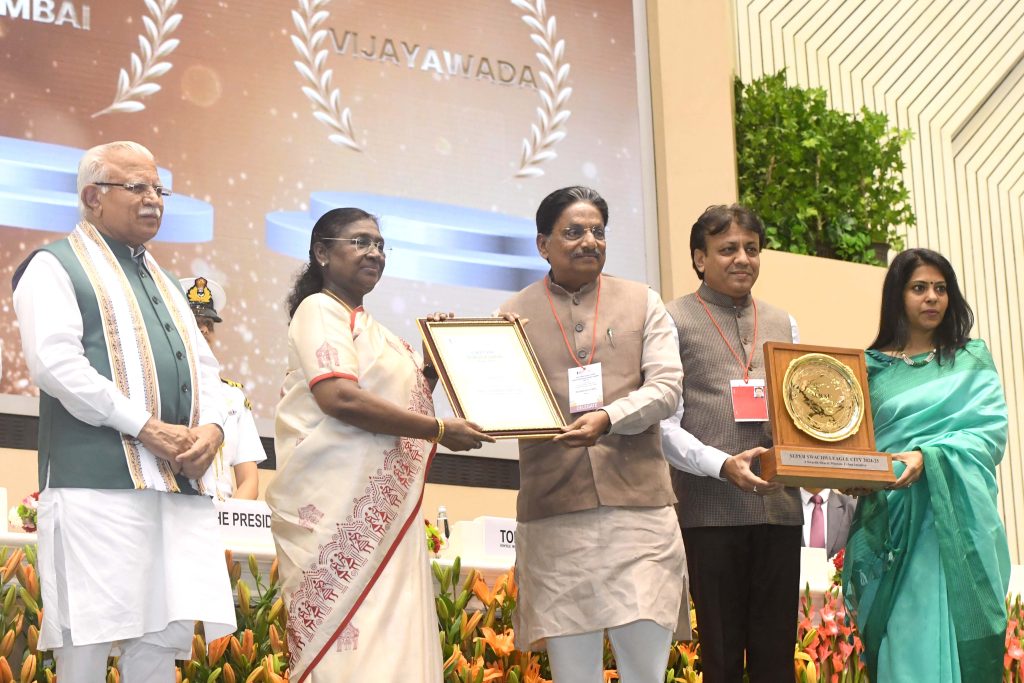
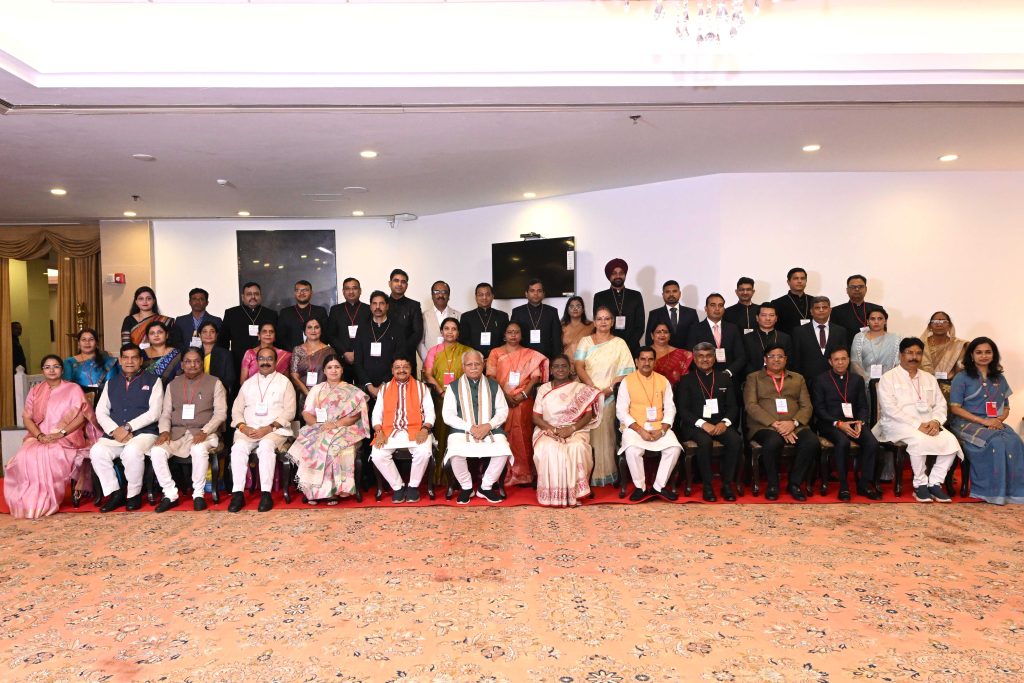
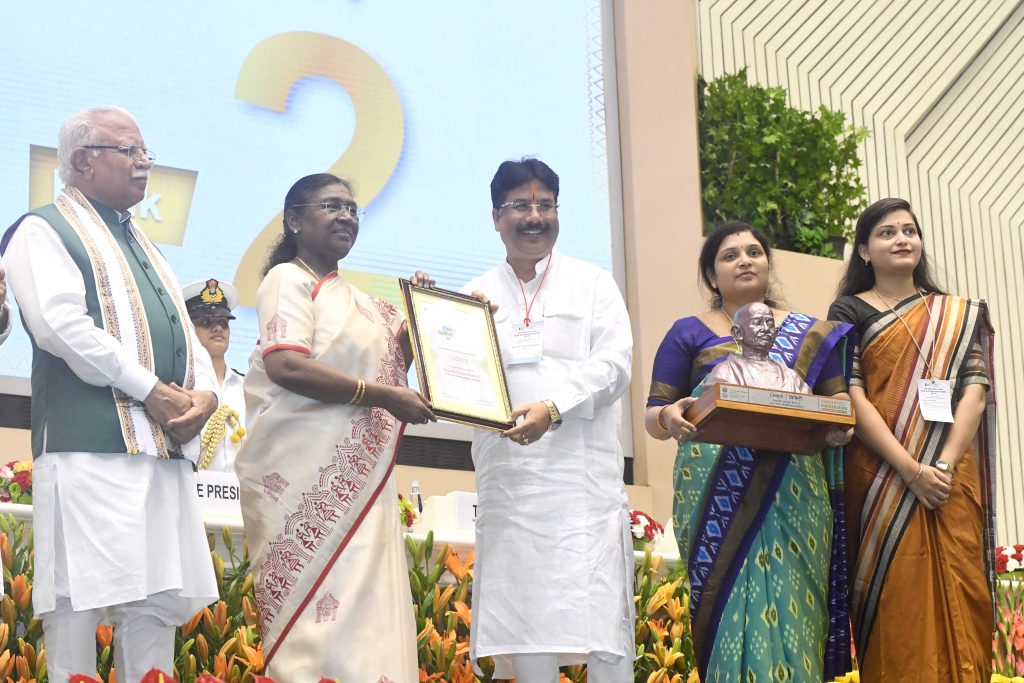
President Droupadi Murmu on Thursday presented the Swachh Survekshan Awards at a ceremony organised by the Ministry of Housing and Urban Affairs in the national capital. The awards, which recognise the cleanliness efforts of cities across the country, mark the culmination of the world’s largest cleanliness survey for the year 2024, with participation from state governments, urban local bodies and over 14 crore citizens.
In her address, the President underscored the cultural and spiritual significance of cleanliness in Indian society. “Cleanliness has been a part of our way of life since ancient times. From our homes to places of worship, maintaining hygiene has always been seen as a virtue,” she said, adding that Mahatma Gandhi’s ideals of cleanliness continue to inspire the Swachh Bharat Mission.
Recalling her own beginnings in public life, President Murmu said her work on sanitation as Vice President of a Notified Area Council laid the foundation for her political journey. “I used to visit municipal wards daily and oversee the cleaning work. That experience taught me the value of cleanliness in public life,” she said.
She drew attention to the enduring relevance of traditional practices in addressing modern challenges of waste management. “The principles of reduce, reuse, and recycle – now recognised globally as pillars of a circular economy – are deeply embedded in our traditional lifestyles,” she noted.
“The modern systems of circularity could be strengthened by adopting such behaviours and traditions,” she said, adding that minimising waste and repurposing resources had long been integral to Indian living.
Underscoring the need for proper waste segregation, President Murmu emphasised that source segregation remains the first and most crucial step in the waste management value chain. Zero-waste colonies, she said, are setting commendable examples of responsible urban living.
The President also lauded the School Level Assessment initiative, which aims to instil cleanliness as a core value among students. Such early interventions, she said, could have long-term benefits in shaping responsible citizens.
Plastic and electronic waste, however, continue to pose a serious challenge, the President said. While the Central government banned certain single-use plastic items in 2022 and introduced Extended Producer Responsibility (EPR) guidelines for plastic packaging the same year, effective implementation remains critical. “It is the responsibility of all stakeholders-producers, brand owners, and importers-to ensure that these guidelines are followed in letter and spirit,” she stated.
President Murmu added that cleanliness is not just a matter of hygiene, but also has cultural, economic, and geographical implications. She expressed confidence that citizens across the country would continue to contribute to the Swachh Bharat Mission with dedication and commitment. With collective effort and strong resolve, she said, India can emerge as one of the cleanest nations by 2047, when the country marks 100 years of independence.







