






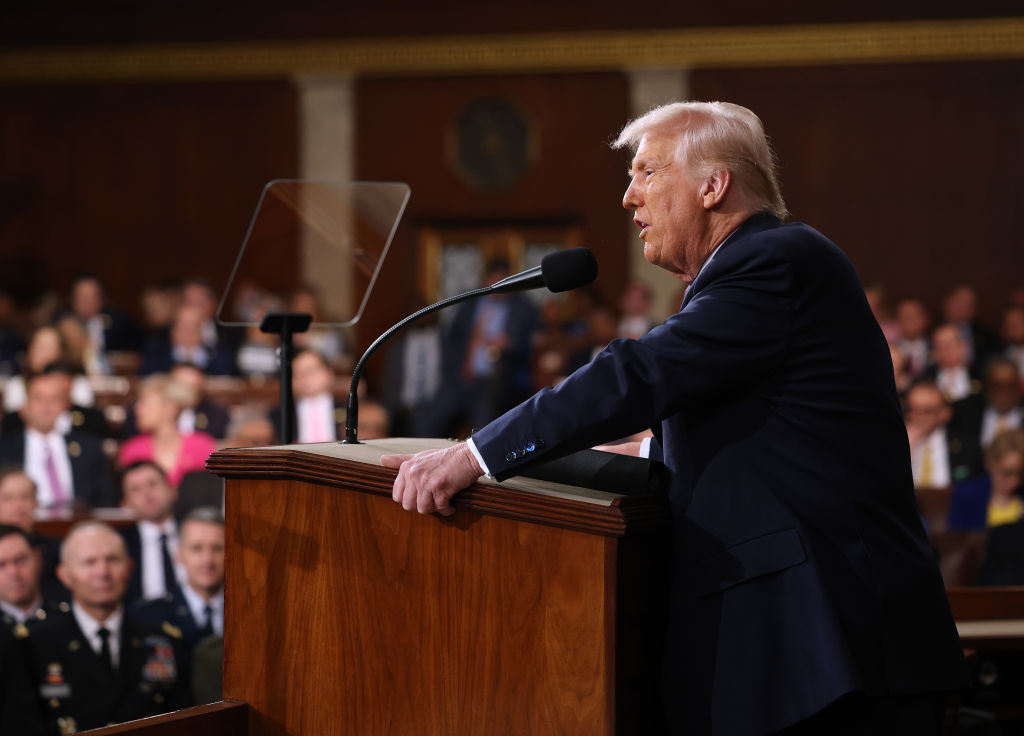
U.S. President Donald Trump signed an executive order on Wednesday that closes a trade loophole known as “de minimus” that has allowed low-value packages from China and Hong Kongto enter the United States free of duties.
Trump signed the order, which takes effect at 12:01 a.m. Eastern Time May 2, in the Rose Garden of the White House after announcing sweeping new tariffs on global trading partners.
The White House said the move, first reported by Reuters earlier on Wednesday, came after Commerce Secretary Howard Lutnick certified “adequate systems are in place to collect tariff revenue” on the shipments.
It said imported goods from China and Hong Kong sent outside the international postal network and valued at or under $800 would now be subject to all applicable duties.
Imported goods sent through the postal network and valued at or under $800 would now be subject to a duty rate of either 30% of their value or $25 per item, with that rate increasing to $50 per item after June 1.
Trump had signed an initial order on February 1 ending duty-free entry for the cheap Chinese goods, but later paused the order because of logistical issues complicating the inspection of millions of the low-value shipments.
“They figured it out,” a source familiar with the decision said. “De minimis is being stripped from China.”
The number of shipments entering the U.S. through the duty-free route has exploded in recent years, reaching nearly 1.4 billion packages last year.
More than 90% of all packages coming into the U.S. now enter via de minimis, and of those, about 60% come from China, led by direct-to-consumer retailers such as Temu and Shein.
Trump campaigned on a promise to punish China for the role it has played in the synthetic opioid crisis that has killed more than 450,000 Americans in the last decade. Chinese chemical makers are the top suppliers of raw materials purchased by Mexico’s cartels to produce the deadly drug, U.S. anti-narcotics officials say.
A Reuters investigation last year showed how traffickers often route these chemicals through the United States by exploiting the de minimis rule. China has repeatedly denied culpability.
Trump’s order affecting de minimis parcels was paused on February 7 because there had not been sufficient time to prepare, with packages stacking up at ports of entry.
The White House said carriers transporting the Chinese and Hong Kong postal items must “report shipment details to U.S. Customs and Border Protection (CBP), maintain an international carrier bond to ensure duty payment, and remit duties to CBP on a set schedule.”
It said CBP may require formal entry for any postal package instead of the specified duties.
The White House said the Commerce secretary would submit a report within 90 days assessing the Order’s impact and considering whether to extend these rules to packages from Macau.
(Reuters)