







Amid reports of a surge in respiratory illnesses in China, the Union Health Ministry convened a Joint Monitoring Group (JMG) meeting under the chairmanship of the Director General of Health Services (DGHS) in New Delhi on Saturday.
The meeting brought together experts from the World Health Organization (WHO), the Integrated Disease Surveillance Programme (IDSP), the Indian Council of Medical Research (ICMR), the National Centre for Disease Control (NCDC), and prominent institutions, including AIIMS, Delhi, to discuss the evolving situation.
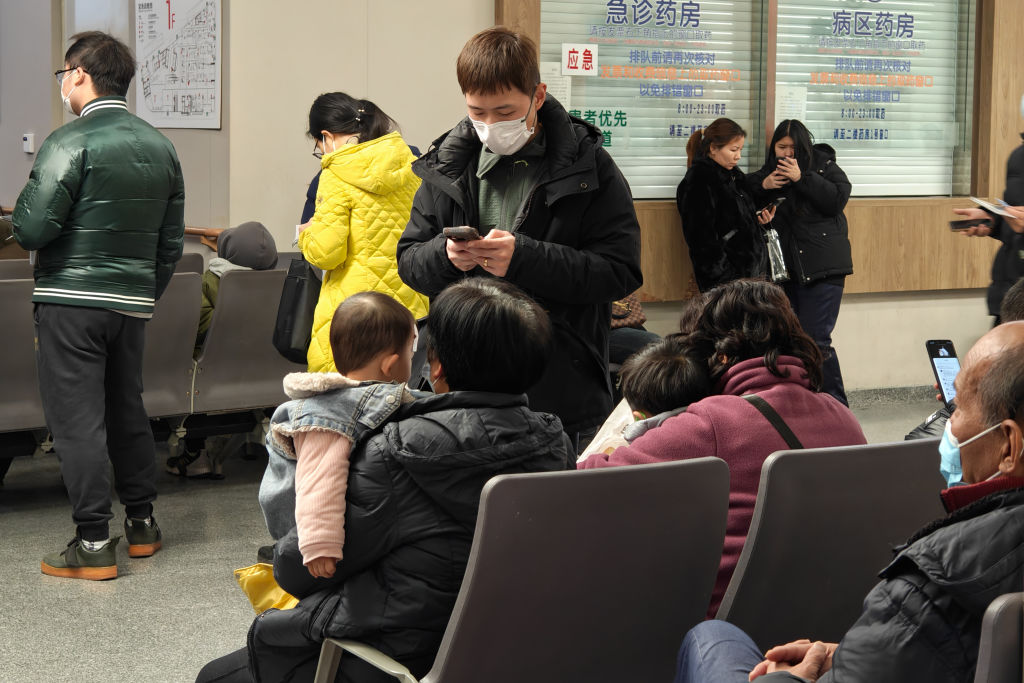
According to a government press release, the meeting analyzed reports suggesting that the ongoing flu season in China has caused an increase in cases attributed to common pathogens like the Influenza virus, Respiratory Syncytial Virus (RSV), and Human Metapneumovirus (HMPV). The experts concluded that the situation is typical of the seasonal variation and does not indicate an unusual trend.
The government emphasized that India is closely monitoring the developments through all available channels and has requested timely updates from the WHO regarding the situation in China. It also highlighted that these viruses, including Influenza, RSV, and HMPV, are already circulating globally, including in India.
India’s robust surveillance system for Influenza-Like Illness (ILI) and Severe Acute Respiratory Illness (SARI), managed by the ICMR and IDSP networks, has detected no unusual surge in cases. Hospital physicians have also reported no significant increase in respiratory illnesses beyond the expected seasonal variation.
The ICMR network routinely tests for a range of respiratory pathogens, including Adenovirus, RSV, and HMPV, and the data shows no abnormal rise in their prevalence. However, as a precaution, ICMR will expand the number of laboratories testing for HMPV and monitor trends throughout the year.
The Ministry assured the public that India is well-prepared to handle any potential rise in respiratory illnesses. A recently conducted nationwide preparedness drill demonstrated the country’s readiness, with health systems and surveillance networks remaining vigilant to promptly respond to emerging health challenges.
The Union Health Ministry reiterated its commitment to maintaining public health and urged citizens to remain cautious but not alarmed.
(Inputs from ANI)