







The era of completely free digital transactions via the Unified Payments Interface (UPI) may not last forever, RBI Governor Sanjay Malhotra said on Friday, adding that the UPI framework should be made financially sustainable going forward.
Speaking at an event in Mumbai, Malhotra said the current model—where users pay no fees and the government subsidises banks and other stakeholders—may not be viable in the long run.
“Costs will have to be paid. Someone will have to bear the cost,” he said, adding that while UPI is currently a zero-charge platform, it comes with operational expenses.
“Payments and money are a lifeline. We need a universally efficient system. As of now, there are no charges. The government is subsidising various players such as banks and other stakeholders in the UPI payments system. Obviously, some costs have to be paid,” the RBI Governor said.
“Any important infrastructure must bear fruits,” he added. “For any service to be sustainable, its cost should be paid—whether collectively or by the user.”
Malhotra’s remarks come at a time when UPI has reached unprecedented scale, with the backend infrastructure—largely maintained by banks, payment service providers, and the National Payments Corporation of India (NPCI)—under increasing pressure.
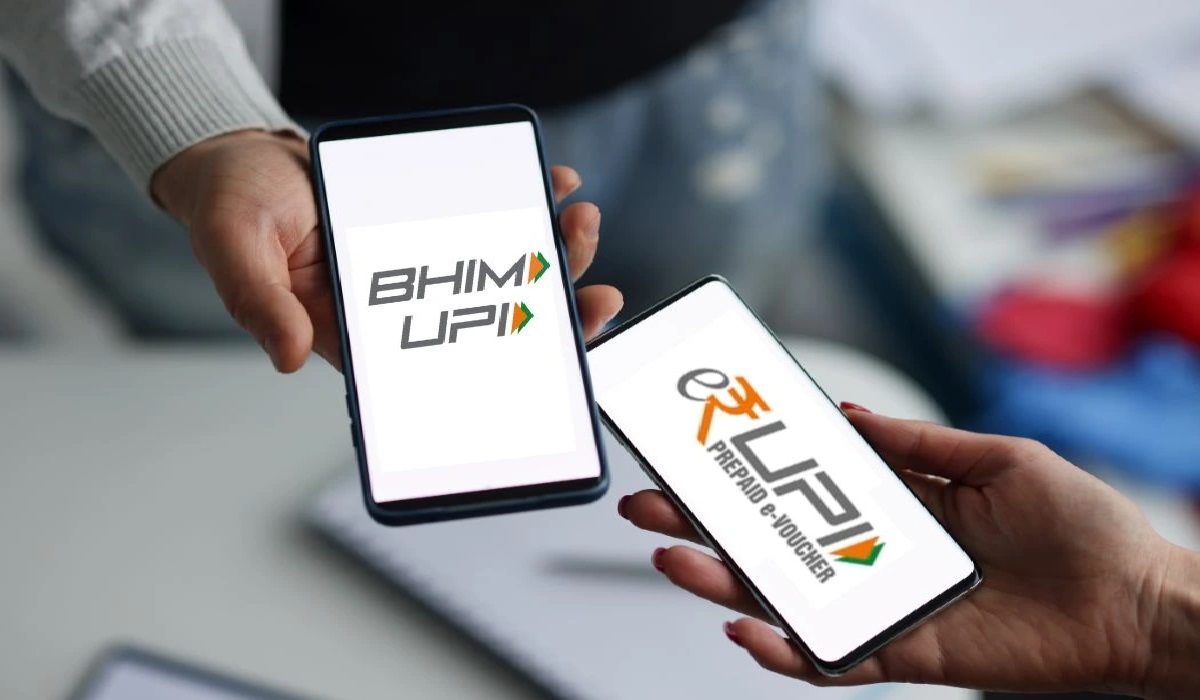
Since the government mandated zero Merchant Discount Rate (MDR) for RuPay debit cards and BHIM-UPI transactions in December 2019, there has been no revenue stream for service providers. The MDR, typically ranging from 1–3% of the transaction value, was earlier borne by merchants.
Industry players have flagged the financial unsustainability of the model and have urged the reintroduction of MDR or an alternative cost-sharing mechanism. It remains unclear whether the government plans to revise the current policy or pass on some of the burden to users.
UPI processed over ₹24.03 lakh crore through 18.39 billion transactions in June, surpassing global payment giants like Visa. The platform now accounts for nearly 85% of India’s digital transactions and about 50% of all real-time digital payments globally.
-IANS