







The United Arab Emirates Ministry of Defence says its air defences intercepted four ballistic missiles and 25 drones launched from Iran this afternoon, with explosions heard over several urban areas. In a separate incident, the UK Maritime Trade Operations Centre reported a projectile detonated close to a bulk carrier about 15 nautical miles off the coast of Sharjah, the latest in a string of attacks targeting commercial shipping near the Strait of Hormuz since the conflict began on February 28. All crew members on board were reported safe.
In Lebanon, Israeli forces have stepped up both air and ground operations, with the military confirming strikes on bridges over the Litani River aimed at disrupting Hezbollah’s supply routes. Fighting has intensified around the strategic town of Khiam, while the overall death toll in Lebanon has now crossed one thousand since the current phase of the conflict began. Israel’s Defence Minister Israel Katz has warned that pressure on Iranian-aligned groups will increase further in the coming days.
Meanwhile, Iran’s Revolutionary Guard Corps has announced the 74th wave of its Operation True Promise 4, saying it involved the use of heavy missiles targeting military and security sites in Tel Aviv, Petah Tikva, Holon and Ramat Gan. The IRGC also claims it struck regional targets including Prince Sultan Air Base in Saudi Arabia, the US Fifth Fleet base in Bahrain, and positions in Iraq’s Kurdistan region using missiles and armed drones, asserting that these operations have shifted the balance of the conflict in its favour.
In Tehran, the tone is defiant and the threats are escalating. Iran’s Revolutionary Guard Corps announced the 74th wave of its Operation True Promise 4, describing it as involving super-heavy missiles and claiming strikes on military and security targets in Israel.
Iran’s parliament speaker went further on social media, warning that if Iranian power plants are attacked, the critical infrastructure, energy infrastructure, and oil facilities throughout the region will be considered legitimate targets and will be destroyed in an irreversible manner, and the price of oil will remain high for a long time. Meanwhile, Iran’s ambassador to the United Kingdom and permanent representative to the International Maritime Organization said the strait will remain open to all nations — except for Iran’s enemies and that safe passage is possible once necessary security arrangements with Tehran are made.
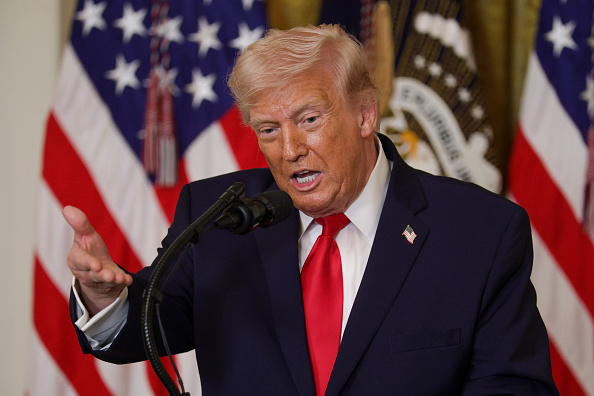
From Washington, President Donald Trump has issued a 48-hour ultimatum, warning the US is prepared to obliterate Iranian power plants if the Strait of Hormuz is not fully reopened to international shipping. Reports indicate the Pentagon and US administration are reviewing contingency plans for potential operations targeting Iran’s Kharg Island oil terminal. The US has conducted strikes on military sites there but has not finalized or confirmed plans specifically for the oil infrastructure as of March 22, 2026. Adding to the regional diplomatic fallout, Kuwait has filed a formal complaint with the International Civil Aviation Organization over dangerous airspace disruptions caused by Iranian missile activity.