







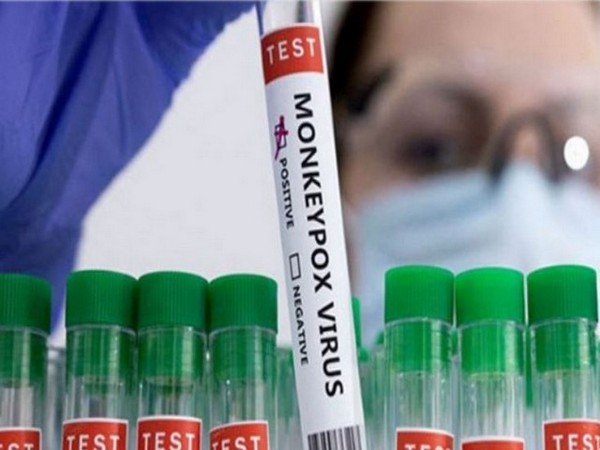
The World Health Organisation (WHO) has said that the spread of mpox (monkeypox) in Africa no longer represents a Public Health Emergency of International Concern (PHEIC).
WHO’s Emergency Committee has met every three months to evaluate the outbreak of mpox, Xinhua news agency reported.
“Yesterday, they met again and advised me that in their view, the situation no longer represents an international health emergency. I have accepted that advice,” said WHO Director-General Tedros Adhanom Ghebreyesus in the media briefing on Friday.
“This decision is based on sustained declines in cases and deaths in Congo, and in other affected countries, including Burundi, Sierra Leone, and Uganda,” Tedros said.
“We also have a better understanding of the drivers of transmission, the risk factors for severity, and the most affected countries have developed a sustained response capacity,” he added.
However, the WHO also said that lifting the emergency declaration does not mean the threat is over, “nor that our response will stop, and we note the Africa CDC’s decision yesterday that mpox remains a continental emergency.”
The possibility of continued flare-ups and new outbreaks remains, requiring adequate surveillance and response capacity.
Ongoing efforts are needed to protect the most vulnerable groups, particularly young children and people living with HIV.
Mpox is a viral zoonotic disease.
Initial symptoms of human infection include fever, headache, muscle aches, back pain, and swollen lymph nodes, which can later develop into widespread rashes on the face and body.
Most infected individuals recover within a few weeks, but some may experience severe illness or even death.
Since May 2022, more than 100 countries and regions worldwide have reported cases of mpox.
The Africa Centres for Disease Control and Prevention (Africa CDC) said on Thursday that mpox still constitutes a continental public health emergency, after a consultative group found new surges in many countries in Africa.
In a statement, the Africa CDC said the consultative group’s review of the mpox situation indicated there were surges in Ghana, Liberia, Kenya, Zambia and Tanzania, even when weekly confirmed cases declined by 52%.
The WHO officially declared in August last year that the mpox outbreak outside the traditional endemic areas in Africa had already turned into a PHEIC, the highest level of alert that the global health authority could issue.
(IANS)