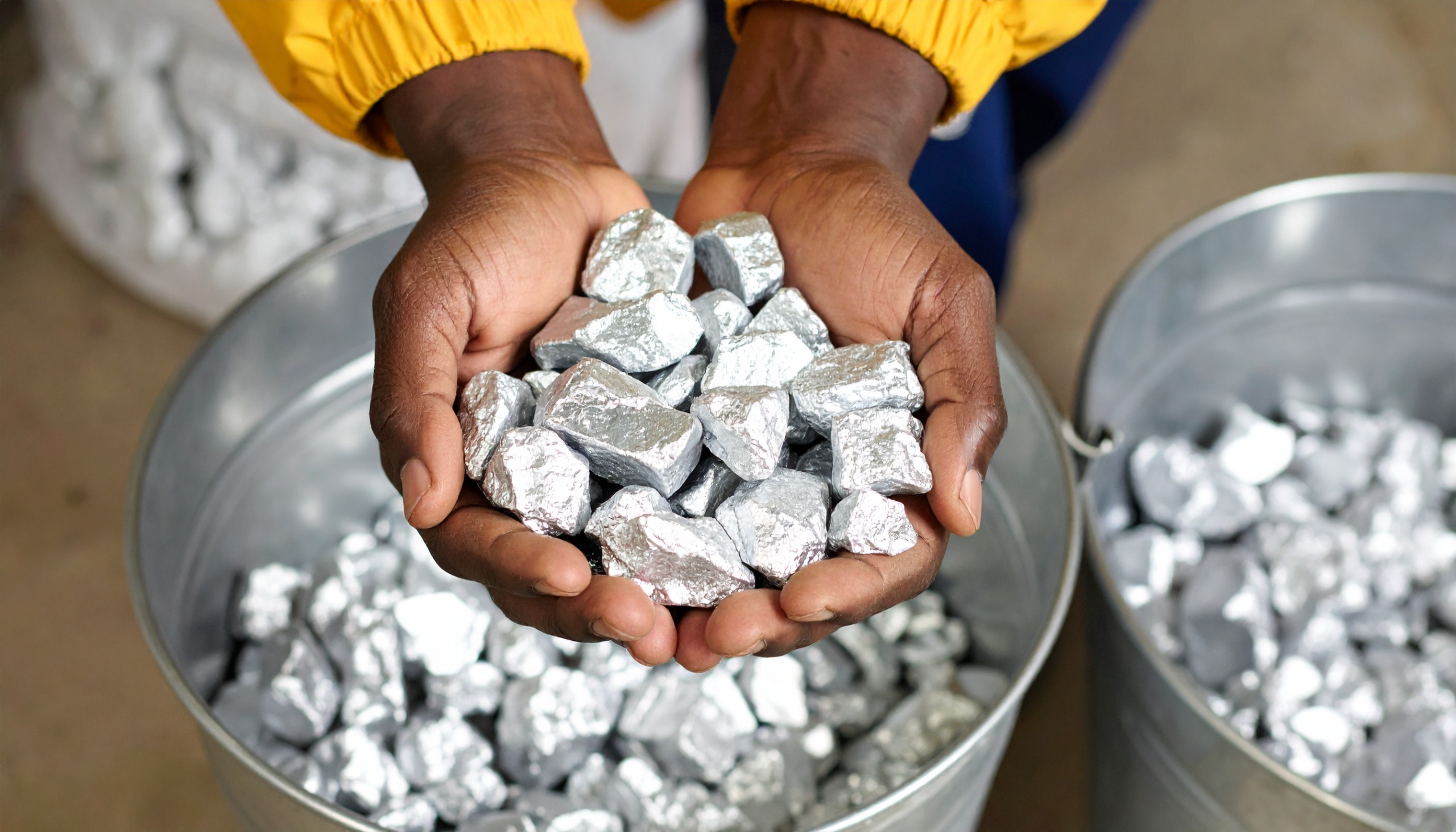
India holds 8 per cent of the world’s rare earth element reserves, which gives it the potential of playing a key role in the gradually evolving global supply landscape as China’s current dominance is projected to decline, according to a CareEdge report released on Tuesday.
While China currently plays a leading role in both mining and refining, its projected share is expected to decrease from 69 per cent to 51 per cent in mining and from 90 per cent to 76 per cent in refining by 2030, as per the International Energy Agency.
This trend reflects a broader international effort to develop more balanced and resilient supply chains.
Despite India’s huge reserves, the country contributes less than 1 per cent of global Rare Earth Element (REE) mining, which prompted the Government to launch the National Critical Mineral Mission (NCMM) in 2025 to build India’s self-reliance in the mineral sector.
India has recognised 130 deposits as of the 2023 Indian Minerals Yearbook, of which the coastal states have the most rare earth deposits, namely Tamil Nadu, Kerala, Andhra Pradesh, and Odisha. The recent curbs by China on REE exports have made Indian Rare Earths Limited (IREL), a central government undertaking, consider reducing its exports to save rare earths in the home country and expand domestic processing, the CareEdge report pointed out.
The importance of REEs extends across a range of sectors, particularly in areas such as clean energy technologies, the automotive sector, and defence systems. For nations with high-tech defence and infrastructure programs, consistent access to REEs is essential to avoid potential disruptions that could lead to cost overruns or delayed deployment timelines, the report states.
In the near term, however, global reliance on the existing dominant supply source is likely to persist. Despite increasing investments in exploration in mining and processing around the world, alternative supply chains have not yet reached the scale or consistency required to substantially displace current sourcing patterns, it further states,
The pace at which these alternative supply networks develop will be essential. Increasing investment, simplifying permitting procedures, and encouraging international cooperation are key to lowering concentration risks. As these initiatives gain momentum, the global REE landscape is expected to become more diverse and resilient, enabling critical sectors to remain well-supported amid shifting geopolitical and economic conditions, the report further states.
It also pointed out that since 2020, the US Department of Defence has invested more than $439 million to establish domestic rare earth element supply chains. However, refining remains a major hurdle, as much of the ore extracted in the US is currently shipped to China for refining.
With China repeatedly capitalising on the supply of rare earth elements to gain leverage in its trade war with the US, the latter is forging partnerships with other countries to reduce its dependency on China.
(IANS)