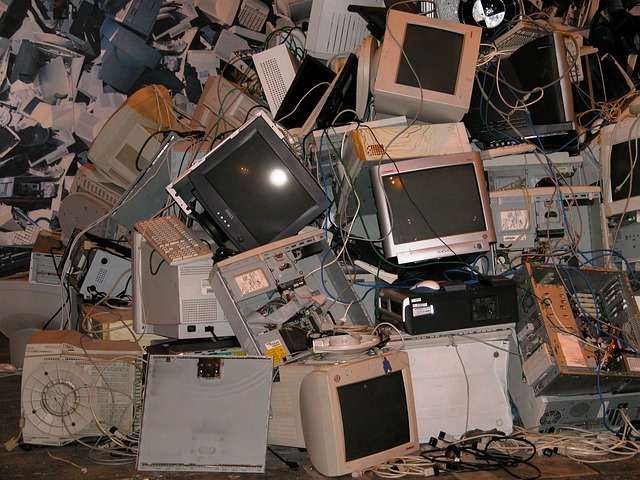
The world is losing the battle against electronic waste, a U.N. expert said on Wednesday, after a report found 62 million metric tons of mobile phones and devices were dumped on the planet in just one year – and this is expected to increase by a third by 2030.
Electronic waste, also known as e-waste, consists of any discarded items containing an electric plug or a battery. It can contain toxic additives and hazardous substances such as mercury, and represents an environmental and health hazard.
“These goods are often not easy to repair. They easily become waste and hence global waste generation is increasing,” said Kees Baldé, senior scientific specialist for the Sustainable Cycles Programme at the United Nations Institute for Training and Research (UNITAR).
“The increases of the e-waste mountain are faster than the increases in the recycling efforts of this e-waste … We are simply losing the battle.”
In 2022, the world’s annual output of e-waste stood at 62 million metric tons, up 82% from 2010. The generation of e-waste is rising by 2.6 million metric tons annually, meaning that it could reach 82 million metric tons by 2030.
“The vast majority of this e-waste is not being managed well,” Baldé said. “It can end up in landfills, such as smaller items such as your mobile phone or your toothbrush that people just discard in the residual waste.”
U.N. experts attribute this increase to factors including higher consumption, a lack of repair options, shorter life cycles for electronics and inadequate infrastructure to manage e-waste.
Baldé noted that even items that are designed to reduce energy consumption, such as solar panels, have contributed to e-waste. In 2022, around 600,000 metric tons of photovoltaic panels were estimated to have been discarded, Baldé said.
“The manufacturers have got responsibilities in terms of standardizing and making sure that they don’t short-change the consumer, so the product that they produce should not have a short life cycle,” said Cosmas Luckyson Zavazava, director of the Telecommunication Development Bureau at the International Telecommunication Union (ITU), a U.N. agency.
The report also underlined that if countries could bring the e-waste collection and recycling rates to 60% by 2030, the benefits – including through minimizing human health risks – would exceed costs by more than US $38 billion.
(Input from Reuters)