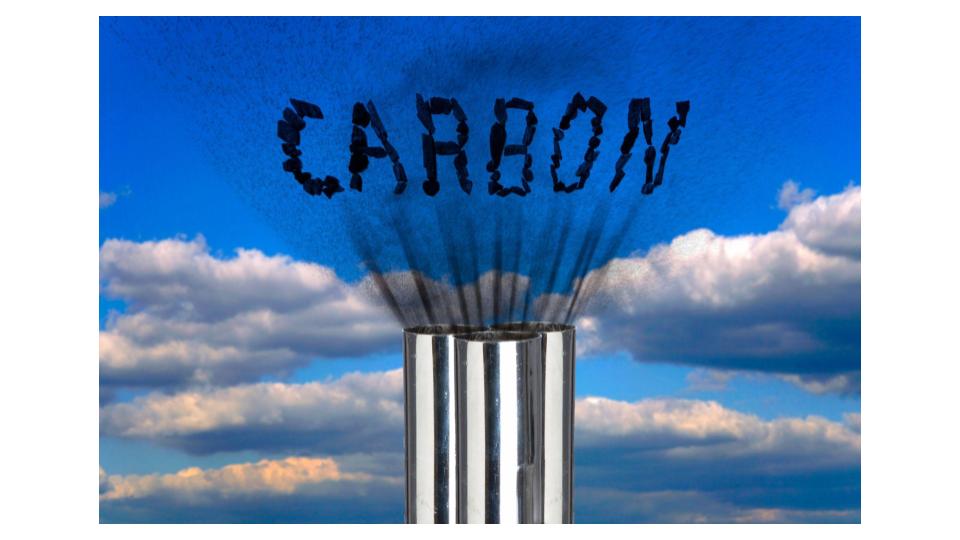
Governments need to plant more trees and deploy technologies that will quadruple the amount of carbon dioxide removed each year from the atmosphere in order to meet global climate goals, a team of researchers said in a report published on Wednesday.
“Carbon dioxide removal” (CDR) refers to a range of interventions that sequester CO2 already in the air. It includes conventional methods such as reforestation as well as potentially large-scale solutions like biofuels, cultivating algae in oceans and the use of filters that capture atmospheric CO2 directly.
Currently, CDR removes around 2 billion metric tons of CO2 from the atmosphere every year, but it needs to rise to around 7-9 billion tons if temperature rises are to be kept below the key threshold of 1.5 degrees Celsius, according to a research report by more than 50 international experts.
“Global net greenhouse gas emissions were about 55 billion tonnes per year in 2022, and emissions accumulate in the atmosphere, so every year, every action counts,” said Gregory Nemet, professor at the University of Wisconsin-Madison and one of the co-authors of the annual State of Carbon Dioxide Removal report.
New policies are required to drive up demand for CDR, the authors said, with funding for new technologies falling since 2020. The $856 million invested in new startups last year accounted for around 1% of total climate tech spending.
“We see quite a few policies supporting the technology directly,” said Nemet. “But what we’re really missing so far are government induced markets and demand for carbon dioxide removal.”
Shared protocols on how to measure, report and verify the amounts of CO2 sequestered in CDR projects, particularly if they are to rely on funding from carbon markets, the report said.
The latest assessment by the Intergovernmental Panel on Climate Change said CDR would play a role in meeting climate goals, but it warned of the risks of deploying new and untried methods on a large scale, saying they could impact biodiversity, food and water security.
Nemet said “nothing comes for free”, and CDR was no panacea.
“Regardless of how much carbon dioxide removal we do, we’ll still need to rapidly reduce emissions from fossil fuels and halt deforestation,” he said.
(Reuters)