











The Union government announced on Friday that June 25 will be observed annually as “Samvidhaan Hatya Diwas” to honor those who opposed and fought against the injustices during the Emergency imposed by Prime Minister Indira Gandhi in 1975.
Prime Minister Narendra Modi said that declaration of 25th June as Samvidhaan Hatya Diwas will serve as a reminder of the time when the Constitution of India was trampled over.
Sharing a post on X by Union Home Minister, Amit Shah, the Prime Minister wrote;
“To observe 25th June as Samvidhaan Hatya Diwas will serve as a reminder of what happens when the Constitution of India was trampled over. It is also a day to pay homage to each and every person who suffered due to the excesses of the Emergency, a Congress unleashed dark phase of Indian history.”
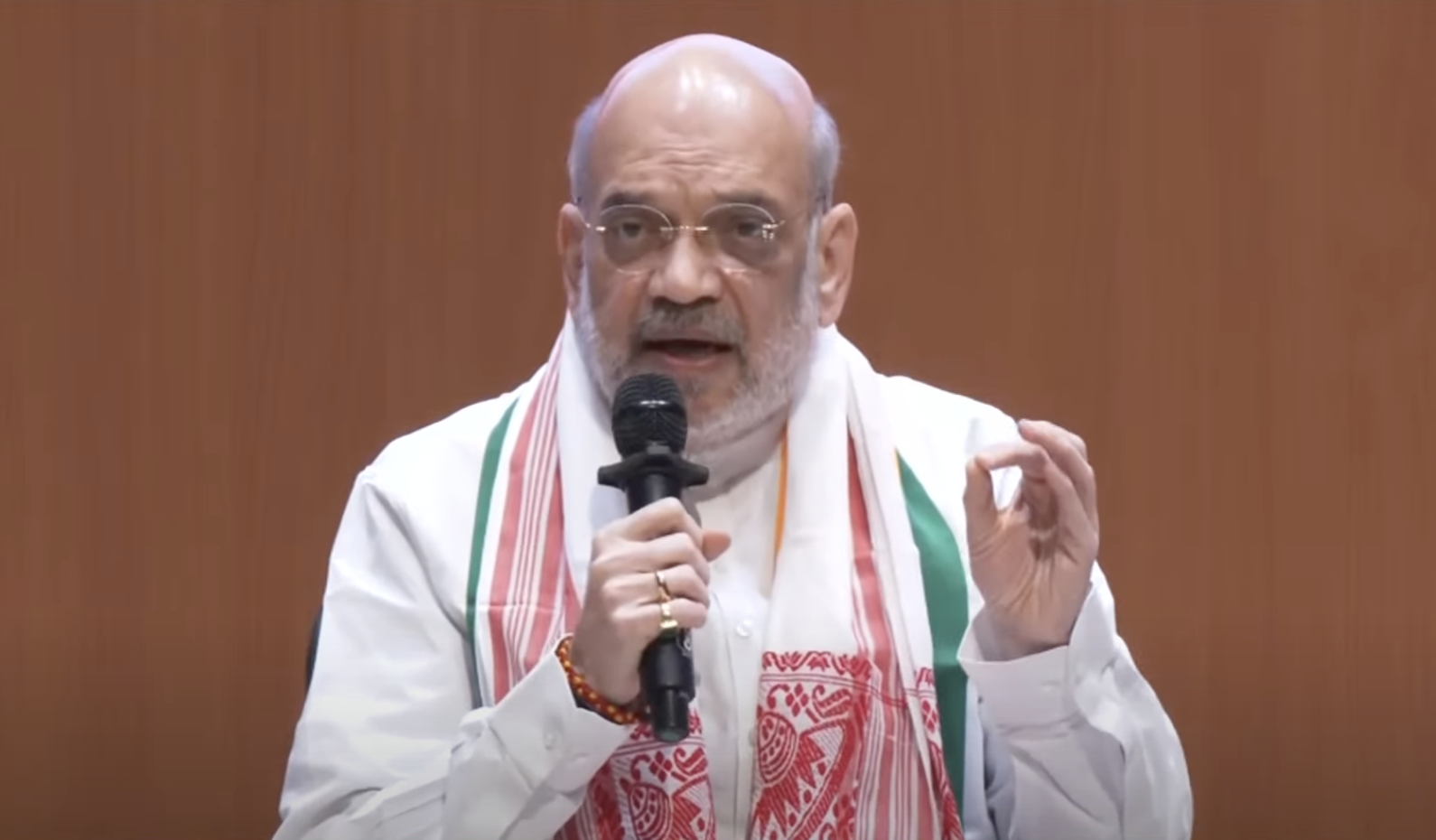
In a post on X, Union Home Minister Amit Shah said that this day would “help keep the eternal flame of individual freedom and the defence of our democracy alive in every Indian”
“On 25 June 1975, the then Prime Minister Indira Gandhi, showing her dictatorial mindset, strangled the soul of Indian democracy by imposing an emergency in the country. Lakhs of people were jailed without any reason and the voice of the media was suppressed. The Government of India has decided to celebrate 25 June every year as ‘Samvidhan Hatya Diwas’, Shah said.
“The decision made by the government led by PM Shri @narendramodi Ji is intended to honour the spirit of millions who struggled to revive democracy despite facing inexplicable persecution at the hands of an oppressive government. The observance of ‘Samvidhaan Hatya Diwas’ will help keep the eternal flame of individual freedom and the defence of our democracy alive in every Indian, thus preventing dictatorial forces like the Congress from repeating those horrors,” he added.
On June 26, the Lok Sabha adopted a resolution condemning the Emergency, with Speaker Om Birla calling it a black chapter in India’s history. Birla praised the strength and determination of those who opposed the Emergency and protected India’s democracy.
The Emergency of 1975 is remembered as a period of political turmoil and suppression of civil liberties in India. It involved the suspension of fundamental rights and strict censorship to quell political dissent. Thousands of opposition leaders, activists, and journalists were arrested without due process, creating a climate of fear and uncertainty. The media faced significant restrictions, and press freedom was curtailed.
The Emergency ended in 1977 after widespread public outcry and the ruling party’s electoral defeat, demonstrating the resilience of democratic institutions in India.
(With inputs from agencies)


