The Biological Agri Solutions Association of India (BASAI) is engaging with international stakeholders on biological agriculture regulations and exploring potential agricultural cooperation with Kenya with its CEO Vipin Saini, representing the association at international forums.
At the Annual Biocontrol Industry Meeting (ABIM) 2026, held in Basel, Switzerland, Saini spoke on India’s regulations governing cell-free microbial products. The discussions focused on safety assessments and regulatory approaches for biological solutions used in agriculture.
The event brought together more than 2,000 delegates from 65 countries, representing over 800 companies and organisations. Saini joined experts from Bayer SAS, IBMA Global, Blue Frog Scientific, Micropep Technologies, Ramboll and Biotalys NV to discuss the regulation of biological products.
The deliberations covered risk-assessment methods for complex biological mixtures, including microbial metabolites, peptides and RNA interference (RNAi). Participants also examined how scientific evidence and product characteristics should guide regulatory decisions.
The discussions highlighted the importance of science-based regulations in supporting innovation while ensuring the safety of biological crop-protection products. These solutions are attracting attention as agriculture explores alternatives and complements to conventional chemical inputs.
Separately, the association is exploring potential cooperation with the Kenya Agricultural and Livestock Research Organization (KALRO), following an invitation from its Director General, Patrick K. Keyeim. Possible areas of collaboration include drone technology, information technology-based agricultural solutions and agricultural inputs.
Such partnerships could facilitate knowledge exchange and connect research institutions, technology providers and industry stakeholders. However, details of specific projects, implementation timelines or formal agreements have not been announced.
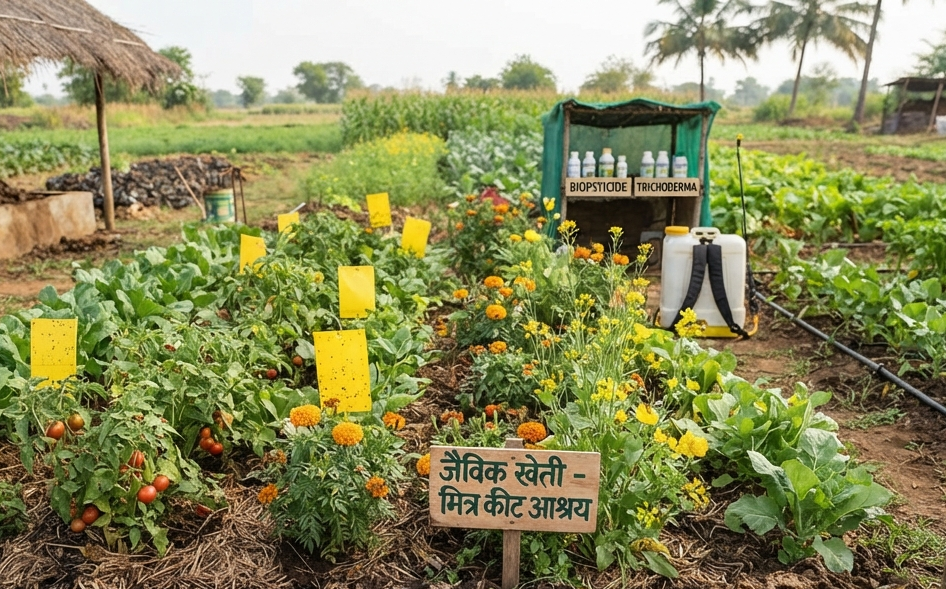
Biological agricultural solutions use biological materials or processes to support crop protection, plant health and productivity. Their wider adoption depends on scientific validation, regulatory approval, affordability and suitability for local farming conditions.
The engagements in Switzerland and Kenya reflect India’s growing participation in international discussions on biological agriculture and efforts to explore cross-border cooperation in agricultural research, regulation and technology.