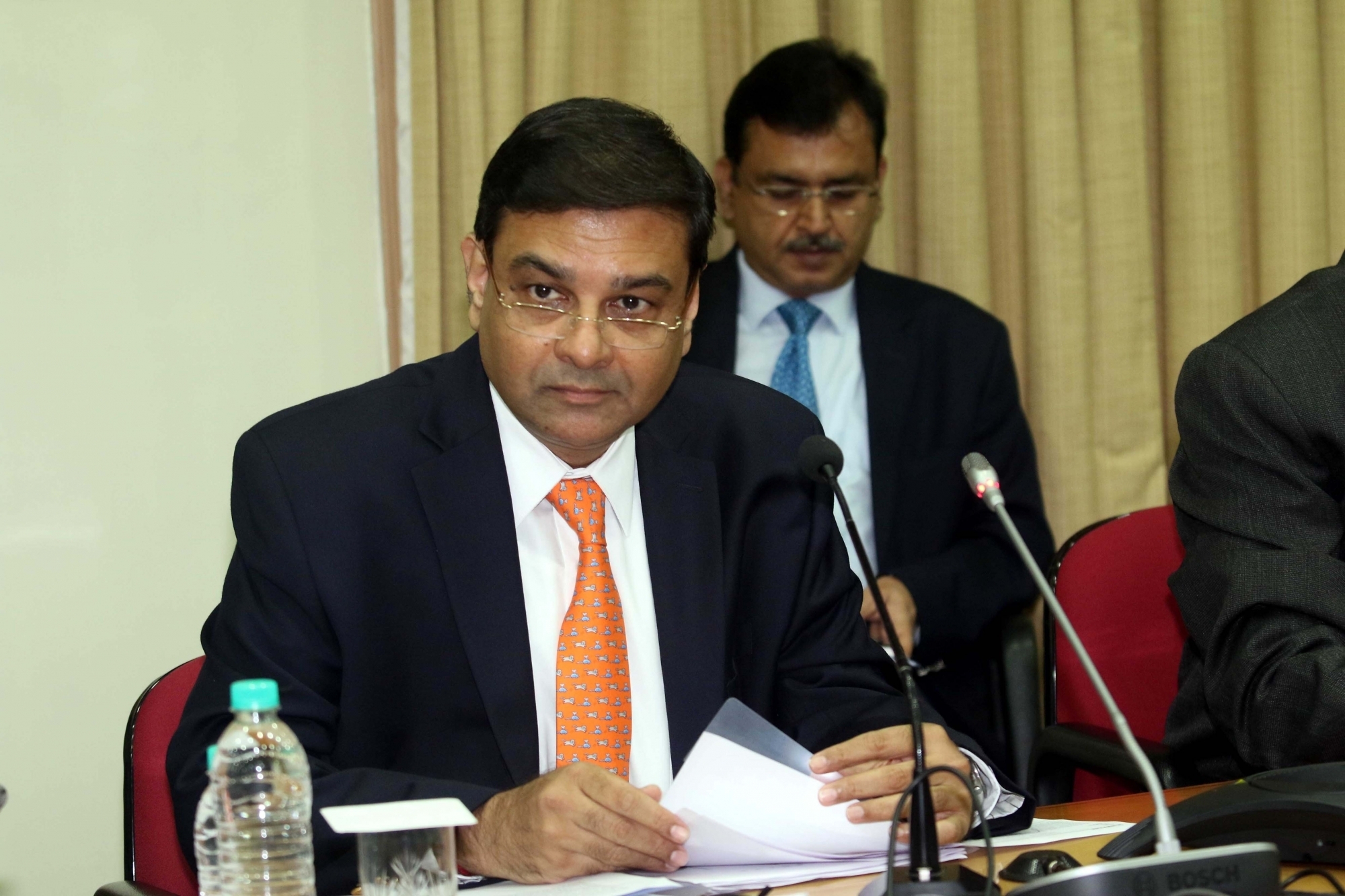
The government has approved the appointment of former Reserve Bank of India (RBI) governor Dr. Urjit Patel as Executive Director at the International Monetary Fund (IMF) for a three-year term.
Patel’s appointment follows the abrupt termination of Krishnamurthy V. Subramanian’s services, which ended his term about six months early. He is widely regarded as a key architect of India’s inflation-targeting framework for monetary policy.
A Kenyan-born Indian economist, Patel began his career at the IMF over 30 years ago. He initially worked in Washington, D.C., before moving to India in 1992 as the IMF’s deputy resident representative in New Delhi.
He became the 24th governor of the RBI in 2016, succeeding Raghuram Rajan. In 2018, he became the first RBI governor to resign for personal reasons, serving the shortest term since 1992.
Prior to serving as governor, Patel was deputy governor of the central bank, overseeing monetary policy, economic policy research, statistics and information management, deposit insurance, communications, and Right to Information matters.
From 1998 to 2001, he served as a consultant to the Ministry of Finance. He has also held senior roles in both the public and private sectors, including Reliance Industries, IDFC Ltd, MCX Ltd, and Gujarat State Petroleum Corporation.
He holds a PhD in economics from Yale University, an MPhil from the University of Oxford, and a BSc from the University of London.
Patel’s appointment comes amid India’s opposition to IMF bailout programs for Pakistan, with concerns that the funds could be used for military purposes or cross-border terrorism.
Recently, the IMF board approved a $1 billion loan to Pakistan as part of a multi-year program totaling $7 billion in monetary support. Additionally, the IMF cleared a $1.4 billion credit line for climate resilience projects, to be released in tranches.
Meanwhile, India’s Special Drawing Rights (SDRs) with the IMF increased by $41 million, and the country’s reserve position with the IMF rose by $15 million to $4.754 billion. These figures underscore India’s growing financial buffer and its ability to withstand external shocks.
— IANS