Print

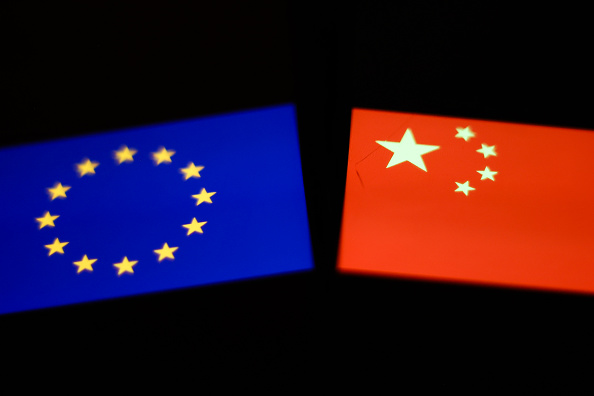
China says EU escalation of trade friction could trigger ‘trade war’

China’s commerce ministry said on Friday the European Union has continued to escalate trade friction, which “may trigger a “trade war”.

“Responsibility lies entirely with the EU side,” a ministry spokesperson said in a statement.

China hopes the EU will meet it halfway, handle difference through dialogue and avoid escalating trade friction or allowing it to get out of control, the spokesperson said.

Last week, the European Commission proposed tariffs of up to 38.1% on electric vehicle imports from China despite Beijing’s protest, plunging trade ties to a new low and risking punitive action from the world’s second-largest economy.

The commerce ministry statement was published about an hour before the arrival of German Economy Minister Robert Habeck in Beijing, where he is expected to explain to Chinese officials the recent tariff announcement while allaying the risk of retaliation from China that could harm German businesses.

(Reuters)

RELATED ARTICLES

13 hours ago | Cotton custom duty

Centre waives customs duty on cotton imports till Oct 31 to support textile industry

The central government has announced a temporary exemption from all customs duties on cotton imports from June 1, 2026, to October 31, 2026, in a move aimed at improving the availability of cotton for India's textile industry. According to the Minis...

29/05/26 | 8:19 pm | Puducherry

Govt notifies two new special economic zones in Puducherry

The Union government has notified two new Special Economic Zones (SEZs) in Puducherry as part of the continued push towards strengthening the country's industrial base, expanding exports, and deepening self-reliance in strategic sectors, according to...

29/05/26 | 6:29 pm | Debt Recovery Tribunals and Lok Adalats.

How India’s Insolvency Framework Has Evolved in 10 Years Under the IBC

India’s insolvency framework has undergone a major transformation over the past decade through the Insolvency and Bankruptcy Code (IBC), 2016, which replaced a fragmented and delay-ridden system with a unified, creditor-driven and time-bound mechan...