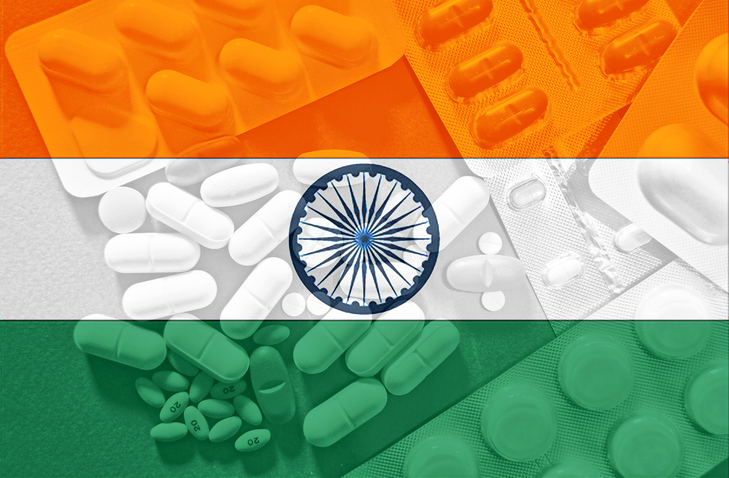
India’s pharmaceutical industry has grown into a globally integrated and policy-supported sector, ranking third in the world by volume and 11th by value, according to an official factsheet released on Saturday.
The sector comprises over 3,000 companies and more than 10,500 manufacturing units, reflecting its scale and expanding production base. The domestic pharmaceutical market, currently valued at $60 billion, is projected to reach $130 billion by 2030.
As per the Economic Survey 2025-26, the industry recorded an annual turnover of ₹4.72 lakh crore in FY25. Pharmaceutical exports have grown at a compound annual growth rate (CAGR) of 7 per cent over the past decade from FY15 to FY25.
India continues to be the largest global supplier of generic medicines, accounting for nearly 20 per cent of global supply. The country manufactures around 60,000 generic brands across 60 therapeutic categories.
The sector’s growth has been supported by strong manufacturing capabilities, rising exports, increasing foreign investment, and targeted government initiatives. These measures have helped reduce import dependence and expand India’s presence in global markets.
At the same time, efforts to improve affordability, innovation, quality standards, and regulatory oversight have strengthened public health outcomes and enhanced global confidence in Indian pharmaceutical products.
Proposed and recently concluded trade agreements with the European Union, the United Kingdom, and New Zealand are expected to further boost the pharmaceutical and medical devices sector by improving market access and strengthening trade linkages.
India also has the highest number of manufacturing plants approved by the United States Food and Drug Administration (USFDA) outside the United States, underlining global trust in the safety and quality of its medicines.
The country has around 500 active pharmaceutical ingredient (API) manufacturers, contributing nearly 8 per cent to the global API industry.
In the vaccine segment, India is a leading global supplier, meeting 40–70 per cent of global demand for DPT and BCG vaccines and accounting for 90 per cent of the World Health Organization’s measles vaccine requirement. Indian manufacturers also supply about 60 per cent of vaccines to UNICEF.
Pharmaceutical exports stood at $30.5 billion in 2024–25, marking a nearly 16-fold increase from $1.9 billion in 2000–01, highlighting the sector’s growing integration into global healthcare supply chains.