Marion Koopmans, a Dutch virologist advising the WHO on COVID-19, stressed the need for additional diagnostic information. These concerns arose after an alert issued by ProMED, part of the International Society for Infectious Diseases, inquiring about “undiagnosed pneumonia – China (Beijing, Liaoning).” This alert bore similarity to the initial notice about what later became known as COVID-19, sent on Dec. 30, 2019: “Undiagnosed pneumonia – China (Hubei).”
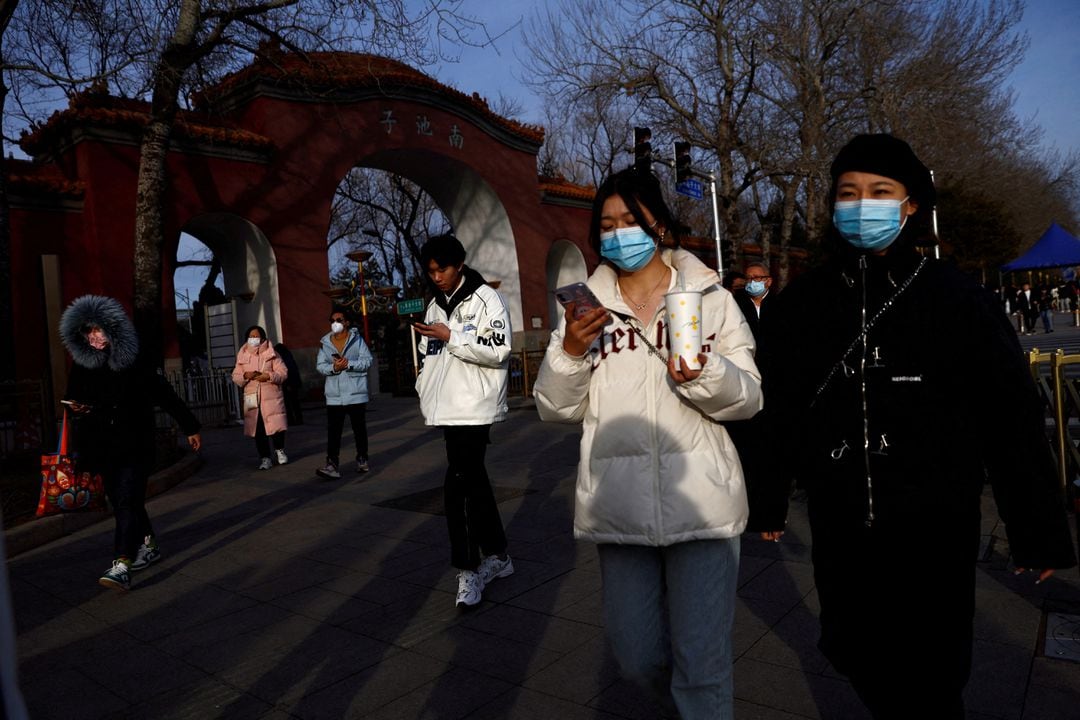
While some worry that this surge might signal the emergence of another dangerous pathogen capable of triggering a pandemic, scientists believe, based on current information, it's more likely an increase in common respiratory infections like the flu. Similar rises in respiratory infections were observed globally after COVID-19 lockdowns were lifted, potentially including a resurgence of COVID itself.
The WHO routinely seeks information on unknown diseases but doesn't always issue press releases, as it did in this instance. Brian McCloskey, a public health expert advising the WHO during the pandemic, emphasized that this is part of the WHO's International Health Regulations system, governing countries' collaboration with the WHO on potential outbreaks.
While concerns about transparency surrounded both the WHO and China during the early days of COVID, China now has 24 hours to respond to the WHO's request under the regulations. However, some doubt whether the reported illnesses were truly undiagnosed. Reports sparking the ProMED alert came from FTV News in Taiwan, while China attributed the rise in respiratory illnesses, especially among children, to lifted COVID-19 restrictions and the circulation of viruses like influenza and mycoplasma pneumoniae.
Koopmans, reflecting the views of other scientists contacted by Reuters, suggested a plausible hypothesis that this rise mirrors trends seen elsewhere after restrictions were eased.
Virologist Tom Peacock from Imperial College London expressed skepticism about the emergence of unnoticed new viruses, suspecting a combination of familiar respiratory infections like COVID, flu, or RSV. He anticipates gathering more information soon to clarify the situation.
(Inputs from Reuters)