Ethiopia has reported its first-ever outbreak of Marburg virus disease, a rare and deadly viral haemorrhagic fever, with laboratory tests confirming nine cases, the World Health Organization (WHO) said.
The disease, caused by the Marburg virus, belongs to the same family of viruses that cause Ebola virus disease. It has a case fatality ratio of up to 88 per cent and currently has no antiviral treatment or vaccine.
Marburg virus is transmitted to humans from fruit bats and spreads among people through direct contact with the bodily fluids of infected individuals or contaminated materials. Symptoms include high fever, severe headache, muscle aches, and fatigue, with many patients developing severe bleeding within a week of onset.
“Ethiopia’s Ministry of Health has confirmed an outbreak of Marburg virus disease in the South Ethiopia Region, the first of its kind in the country, following laboratory testing of samples from a cluster of suspected viral haemorrhagic fever cases,” the WHO said. “A total of nine cases have been reported in the outbreak, which has affected Jinka town in the South Ethiopia Region.”
Marburg and Ebola viruses are the only two members of the Filoviridae family (filoviruses). Though caused by different viruses, the two diseases are clinically similar. Both are rare but have the potential to cause severe outbreaks with high fatality rates.
Rousettus aegypti, fruit bats of the Pteropodidae family, are considered natural hosts of the Marburg virus. Genetic analysis indicates that the strain in Ethiopia is the same as that reported in previous outbreaks in other East African countries. Sporadic cases of Marburg virus disease have also been reported in Angola, Congo, Ghana, Kenya, Equatorial Guinea, Rwanda, South Africa, Tanzania, and Uganda.
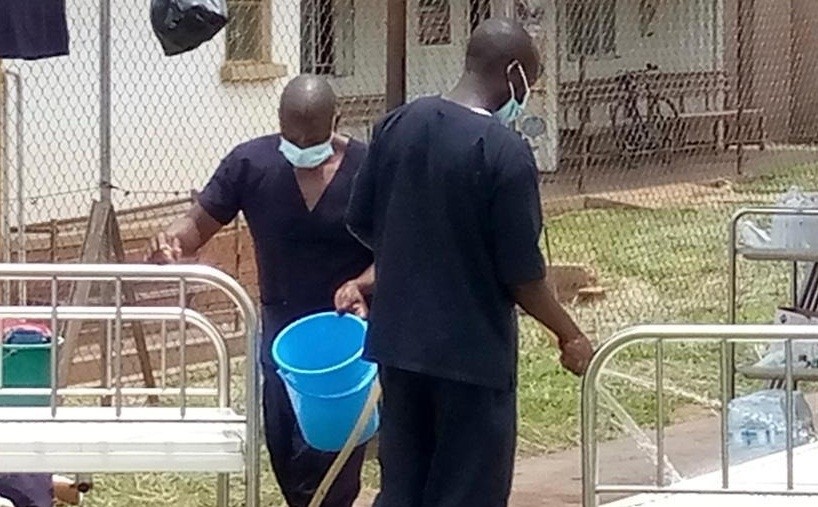
The WHO said national authorities are scaling up their response through community-wide screening, isolation of cases, treatment, contact tracing, and public awareness campaigns to contain the virus. WHO and partner organizations are supporting the government with expertise, medical supplies, and equipment to halt the outbreak.
Currently, there is no licensed therapeutic or vaccine for effective management or prevention of Marburg virus disease. Early supportive treatment, including oral or intravenous rehydration and symptom-specific care, can improve survival, according to the WHO.
–IANS