








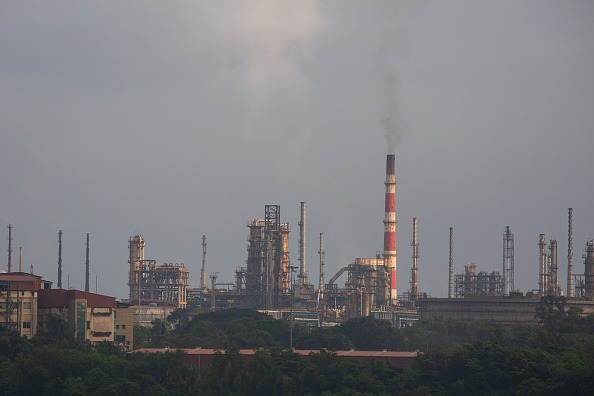
The rollout of the new labour codes – the Occupational Safety, Health and Working Conditions (OSHWC) Code, the Code on Wages, the Industrial Relations (IR) Code, and the Social Security Code – marks one of the most significant overhauls of workplace rules for India’s petroleum sector in decades. According to the Ministry of Labour and Employment, the consolidated framework replaces a patchwork of older laws with a uniform, tech-enabled compliance system aimed at reducing accidents and strengthening worker protections in a sector that routinely handles flammable and toxic materials
Why does the petroleum sector need a unified framework?
Petroleum operations deal with high-risk substances like LPG, LNG, benzene vapours, and hydrogen sulfide, making the sector inherently vulnerable to leaks, fires, and exposure-related illnesses. Until now, most safety requirements stemmed from the Factories Act, 1948, a law never designed for the operational complexities of refineries, pipeline networks, LNG terminals, or large fuel storage facilities.
This gap meant enforcement varied widely, emergency planning remained inconsistent, and worker exposure was often poorly tracked. Companies navigated multiple overlapping approvals, inspections were frequent but not risk-based, and most documentation stayed confined to physical records. The earlier framework was essentially built for conventional factories, resulting in fragmented oversight, weak chemical-exposure surveillance and uneven emergency preparedness across petroleum establishments.
What changes under the OSHWC Code, 2020?
The Occupational Safety, Health, and Working Conditions (OSHWC) Code introduces a single regulatory framework for safety across petroleum establishments. The shift is from routine inspections to risk-based oversight, a model commonly used in global oil and gas industries.
Risk assessment:
Before operations begin, companies must conduct structured hazard identification and risk evaluation. Approvals will follow national standards for handling and storing petroleum substances, and inspections will depend on risk profiles rather than fixed schedules.
Health surveillance:
Medical monitoring expands significantly. Pre-employment checks, periodic examinations, and post-exposure testing are mandatory for workers handling hazardous chemicals. Annual health check-ups must be provided free of cost, and exposure to certain hazards is restricted for pregnant women and adolescents.
Training and competency
Workers will require training and formal certification before handling petroleum equipment. Safety equipment standards, earlier treated as advisory, are now enforceable. Continuous-process plants must also follow an eight-hour shift limit to reduce fatigue-related operational risks.
Compliance model:
A facilitator-based approach replaces the older inspector-centric system. Digital submissions, single-window approvals, and online records aim to reduce delays and bring greater transparency.
What does the Social Security Code change?
The Social Security Code extends ESIC coverage to a larger segment of petroleum workers, ensuring access to medical services, maternity support, disability benefits and compensation linked to occupational diseases. Digital social security accounts are designed to make benefits portable across units and job transitions, reducing paperwork and improving long-term access.
Why do the changes matter?
According to the ministry, the new labour codes introduce predictability in a sector that has long operated under fragmented rules. By shifting to risk-based inspections, strengthening medical surveillance, and digitising compliance, the framework aims to improve workplace safety in facilities where hazardous exposure is a daily possibility.
What does the overhaul achieve?
Overall, the new framework replaces scattered laws with a unified safety system, improves monitoring of chemical exposure, reduces approval bottlenecks and aligns Indian petroleum-sector safety norms more closely with global standards.