






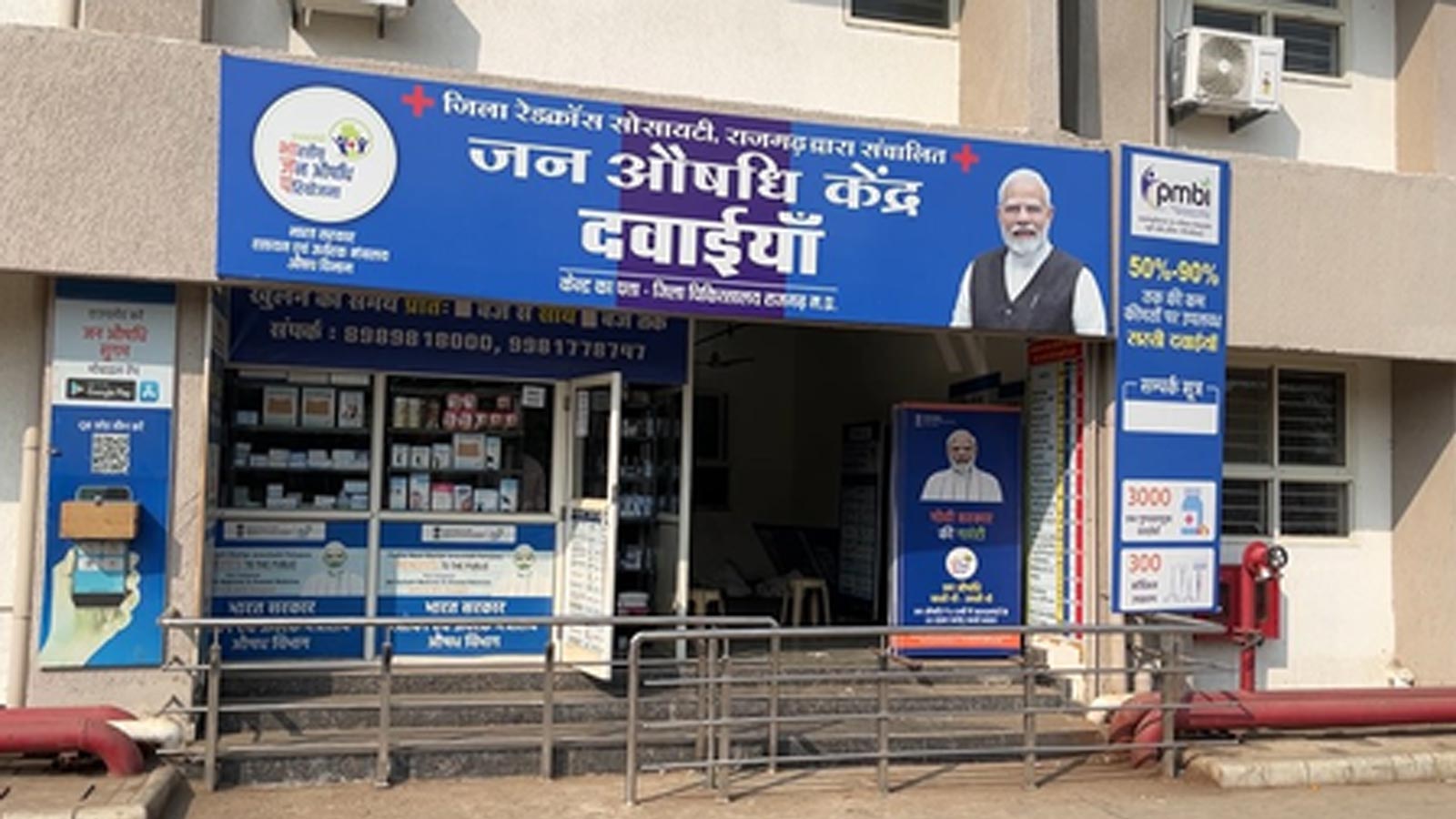
The government on Friday said that 18,646 Jan Aushadhi Kendras (JAKs) are currently operational across the country under the Pradhan Mantri Bhartiya Janaushadhi Pariyojana (PMBJP), significantly enhancing access to affordable generic medicines.
In a written reply in the Lok Sabha, Minister of State for Chemicals and Fertilizers Anupriya Patel stated that Maharashtra accounts for 727 centres, while Madhya Pradesh has 634 Kendras as of February 28, 2026.
The scheme offers a wide range of medicines and medical products, with the product basket comprising 2,110 medicines and 315 surgical items, medical consumables, and devices. These cover major therapeutic categories, including cardiovascular diseases, cancer, diabetes, infections, allergies, and gastrointestinal conditions. Most generic medicines listed in the National List of Essential Medicines are included under the scheme.
The Minister noted that the product basket has expanded significantly over the years, growing from 1,654 items in 2020-21 to 2,425 items in 2024-25, reflecting the increasing scope and reach of the initiative.
To encourage participation, store owners are provided financial incentives, including 10 per cent of monthly purchases of Jan Aushadhi products, subject to a ceiling of ₹10,000 per month. Additional incentives of up to ₹10,000 are offered for maintaining stocks of 200 high-demand medicines.
Patel said that the government has also implemented several measures to ensure uninterrupted supply and availability. These include an IT-enabled supply chain network supported by five warehouses and 41 distributors nationwide. Around 400 fast-moving products are regularly monitored, with demand forecasting increasingly digitised to improve procurement efficiency.
Since September 2024, Kendras have been incentivised to stock 200 commonly used medicines, including top-selling and fast-moving products, to address potential supply gaps and ensure availability.
The Minister said the scheme has led to estimated savings of ₹40,000 crore in out-of-pocket expenditure on medicines for citizens.
Looking ahead, the government has set a target of expanding the network to 25,000 Jan Aushadhi Kendras by March 2027, with a focus on increasing access in underserved and tribal regions.
The scheme operates on a franchise-like model, allowing individuals, NGOs, trusts, and private entities to open Kendras in both private and government premises. State and Union Territory governments have also been encouraged to promote the initiative and provide rent-free spaces in public health facilities.