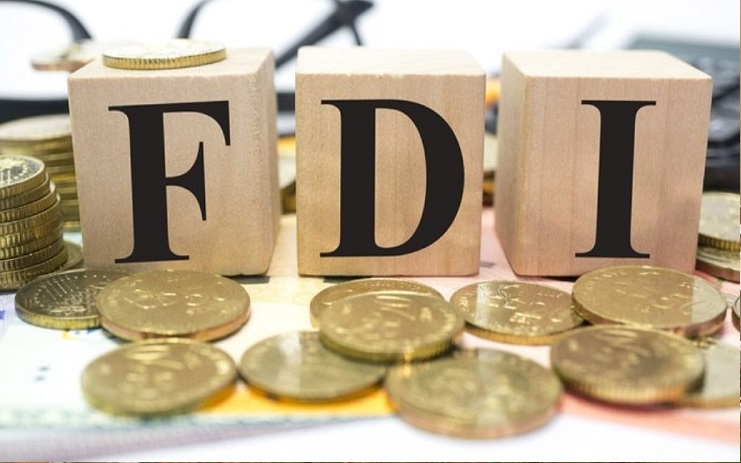
The central government has announced several proposals aimed at reforming the insurance sector, including raising the Foreign Direct Investment (FDI) limit for Indian insurance companies from 74% to 100%. The move is part of broader efforts to foster growth and development within the sector.
In addition to the FDI increase, the government is also proposing to enable insurers to offer one or more classes of insurance business and activities. Another key proposal involves reducing the required Net Owned Funds (NOF) for foreign re-insurers from Rs 5,000 crore to Rs 1,000 crore, which is expected to make the sector more accessible to foreign investors.
The government has invited public comments on these proposed amendments to key legislative acts, including the Insurance Act, 1938, the Life Insurance Corporation Act, 1956, and the Insurance Regulatory and Development Authority (IRDA) Act, 1999. The proposals are aimed at enhancing the accessibility and affordability of insurance, while simultaneously driving the expansion and modernization of the industry.
A government office memorandum explained that a comprehensive review of the legislative framework governing the insurance sector had been conducted in consultation with the Insurance Regulatory and Development Authority of India (IRDAI) and industry stakeholders. The government has also proposed empowering IRDAI to specify lower entry capital requirements (not less than Rs 50 crore) for insurers focusing on under-served or un-served segments of the market.
The government’s push to open up the insurance market is part of a broader goal to achieve “Insurance for All” by 2047, as outlined by the IRDAI.
The public is encouraged to submit their comments on the proposed amendments by December 10 via email to consultation-dfs@gov.in.
A recent report by global consultancy firm McKinsey highlights that India could save up to USD 10 billion annually by expanding insurance coverage to currently uninsured individuals and assets. With a large portion of India’s population and insurable assets still without insurance, the country faces significant risks, including high out-of-pocket expenses, which could place a considerable strain on public finances.
(Inputs from ANI)