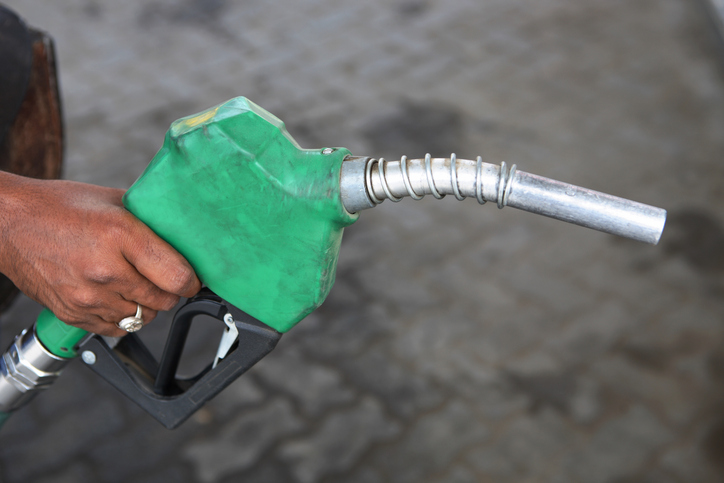
The central government has announced a hike in excise duty on petrol and diesel by Rs 2 per litre each, effective from Tuesday. However, the Ministry of Petroleum and Natural Gas clarified that this will not lead to any increase in the retail prices of the two fuels, owing to a sharp decline in global crude oil prices.
In a post on X, the Ministry said, “The PSU Oil Marketing Companies have informed that there will be no increase in retail prices of petrol and diesel, subsequent to the increase effected in Excise Duty Rates today.”
With the hike, the excise duty on petrol now stands at Rs 13 per litre, while that on diesel has increased to Rs 10 per litre.
The government’s move comes as international oil prices have dropped to their lowest levels in nearly four years. The benchmark Brent crude has fallen to $63 per barrel—the lowest since April 2021—while the US West Texas Intermediate (WTI) crude has slipped to $59.57 per barrel.
Officials said the fall in crude prices reduces input costs for oil refining and marketing companies like Indian Oil Corporation and Bharat Petroleum, thereby increasing their retail margins. This allows the government to raise excise duty and generate additional revenue without passing the burden onto consumers.
The Ministry explained that the revenue generated will support the government’s fiscal needs while maintaining price stability for end users.
Oil prices continued to fall on Monday, with Brent futures losing $2.43 (3.7%) to settle at $63.15 per barrel and WTI crude futures declining by 3.9% to $59.57. The decline is attributed to growing trade tensions between the US and China, raising concerns of a potential global recession and reduced crude demand. Meanwhile, the OPEC+ cartel has decided to increase oil supply, adding further pressure on prices.
Saudi Arabia, the world’s largest oil exporter, has also cut prices for crude sold to Asian buyers in May by up to $2.3 per barrel.
Experts say the slump in crude oil prices bodes well for India, which imports nearly 85% of its oil requirement. A decline in global oil prices typically reduces India’s import bill, narrows the current account deficit, and strengthens the rupee. It also helps ease inflation through lower prices of fuel and cooking gas in the domestic market.
Additionally, the government has continued to reduce the oil import bill by purchasing discounted Russian crude despite Western pressure following the Ukraine conflict. Russia has now become India’s top crude oil supplier, surpassing Iraq and Saudi Arabia. P
Recent data indicates that nearly 38% of India’s total crude oil imports now come from Russia, making India the largest buyer of Russian seaborne oil.
-IANS