In a recent Rajya Sabha session, Bhupathiraju Srinivasa Varma, Minister of State for Steel and Heavy Industries, clarified that the FAME-India Scheme phase-II does not provide direct incentives to electric vehicle manufacturers. Instead, the scheme focuses on consumer benefits.
The FAME II scheme, launched in 2019 with an initial budget of Rs 10,000 crore and later supplemented with an additional Rs 1,500 crore, aims to accelerate the adoption of electric vehicles in India. As of March 30, 2024, the scheme has subsidized over 15.4 million electric vehicles, including approximately 13.6 million two-wheelers, 1.57 million three-wheelers, and 20,352 four-wheelers.
Notable beneficiaries of the FAME II scheme include Tata Motors for electric three- and four-wheelers, and Ola for electric two-wheelers. In total, 221 electric vehicle models have received support under this initiative.
As the world’s third-largest automotive market, India is positioning itself to lead the global transition from conventional internal combustion engines to more sustainable electric vehicle technology. The government anticipates that electric vehicles will become a significant segment within the automotive sector.
Beyond FAME
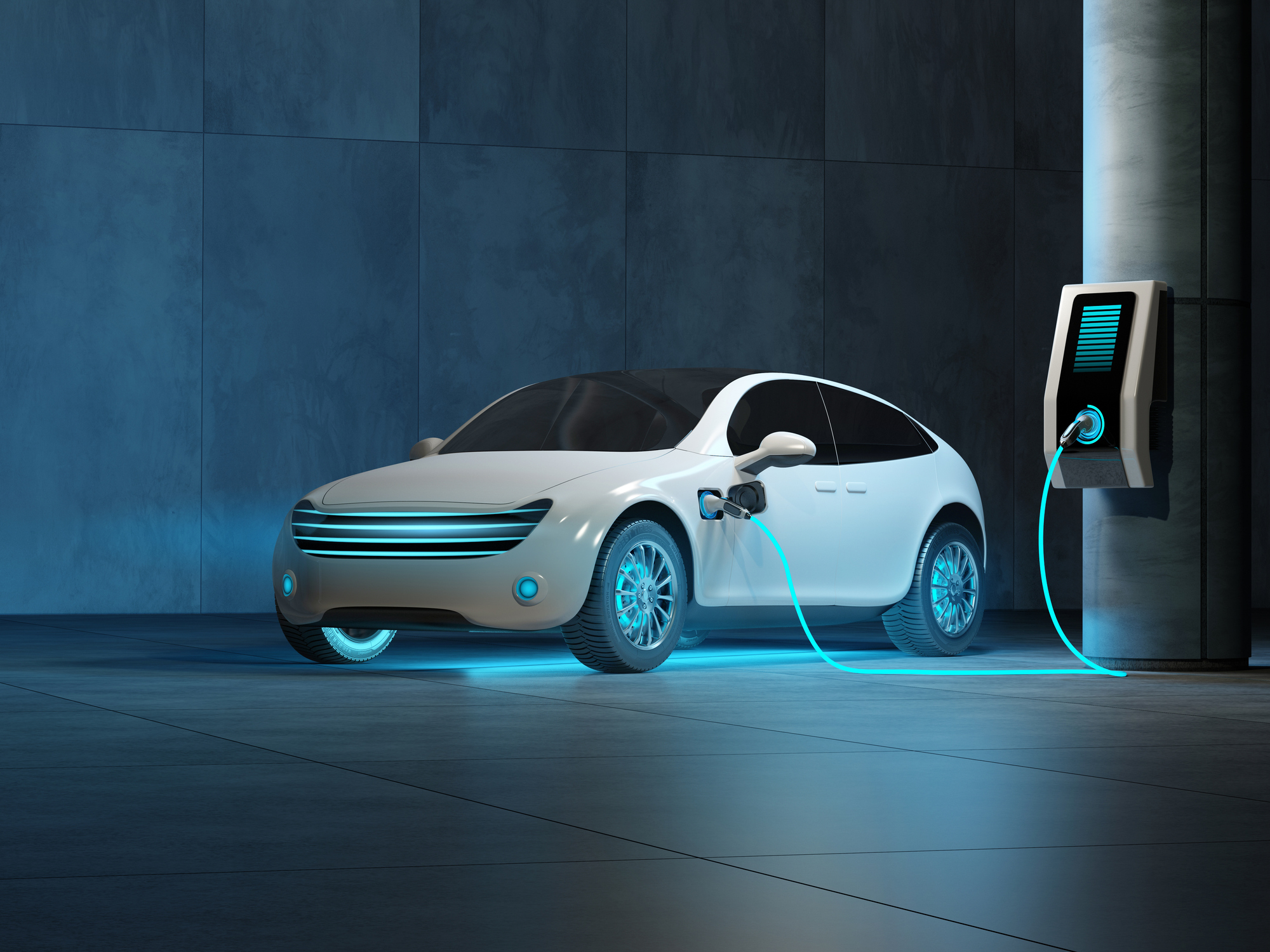
To further boost the EV industry, the Ministry of Heavy Industries introduced the ‘Scheme to Promote Manufacturing of Electric Passenger Cars in India’ on March 15, 2024. This initiative aims to attract global EV manufacturers and establish India as a key manufacturing hub for electric vehicles.
Approved manufacturers can import electric passenger cars (e-4W) at a reduced customs duty of 15% for five years, down from the current 70-100%.
The first stakeholder consultation for this new scheme took place on April 18, 2024, with major Original Equipment Manufacturers (OEMs) in attendance.
The scheme is part of India’s broader strategy to accelerate EV adoption and manufacturing. It complements existing initiatives like the FAME India scheme, Production Linked Incentive (PLI) schemes for the automotive sector and Advanced Chemistry Cell (ACC) manufacturing.
Dr. Hanif Qureshi, Additional Secretary at the Ministry of Heavy Industries, said, “This scheme will help attract investments from global EV manufacturers and promote India as a manufacturing destination for e-vehicles. It will also generate employment and achieve the goal of ‘Make in India’.”
The government projects that by 2030, EVs could comprise 35-40% of two-wheelers, 9-11% of private four-wheelers, and 20-25% of shared four-wheelers in India.
This comprehensive approach to promoting electric vehicles aligns with the vision for a cleaner, more sustainable, and self-reliant India. The initiative is expected to address multiple national priorities, including air pollution reduction, trade deficit improvement, decreased reliance on imported crude oil, and fostering innovation, job creation, and economic growth in the country.
By – Sabita Mishra