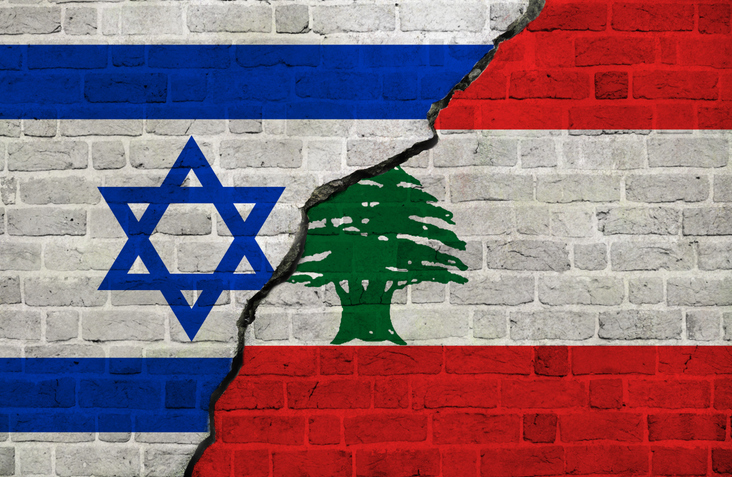
Hezbollah said on Wednesday the Lebanese government’s decision to hold talks with Israel was “a national sin” that would widen divisions in Lebanon, underlining deep polarisation in the country as the Iran-backed group wages war with Israel.
Hezbollah lawmaker Hassan Fadlallah said Tuesday’s U.S.-mediated meeting between Lebanon’s Washington ambassador and her Israeli counterpart did not reflect Lebanon’s national identity or “the choices of its people”.
The meeting hosted by U.S. Secretary of State Marco Rubio was the first such direct contact in decades between the two countries that have remained in a state of war since Israel was established in 1948.
Both sides said the talks were positive, though ahead of the meeting, Israel had ruled out any discussion of Lebanon’s demand for a ceasefire in the war, which erupted on March 2 when Hezbollah opened fire in support of Tehran.
“Does the government not realize the danger of what it has undertaken? And does it understand that it has entered a wrong path that leads only to increasing the rift among the Lebanese?” Fadlallah said.
“It has obtained nothing from the enemy except praise without achieving any demand,” he said in a televised statement.
Tuesday’s meeting took place at a critical juncture in the crisis in the Middle East, a week into a fragile ceasefire between the United States, Israel and Iran.
The wider conflict in the region began with U.S.-Israeli strikes on Iran on February 28. Israel’s offensive in Lebanon has killed more than 2,000 people and forced 1.2 million from their homes, according to Lebanese authorities.
Fadlallah said his group wants a comprehensive ceasefire, rather than a return to near-daily Israeli strikes and assassinations as seen after it agreed to a previous ceasefire with Israel in November 2024.
The Lebanese state has been seeking to disarm Hezbollah peacefully since the 2024 war. Any move by Lebanon to disarm it by force risks igniting conflict in a country shattered by civil war from 1975 to 1990. Moves against Hezbollah by a Western-backed government in 2008 prompted a short civil war.
The current government banned Hezbollah’s military wing after it opened fire on Israel last month.
(REUTERS)