As climate change intensifies, leading to a rise in global temperatures and heat-related deaths, a new study highlights the life-saving potential of increasing urban green cover. According to researchers from Monash University, expanding vegetation in cities by 30 per cent could prevent up to 1.16 million deaths globally that are currently attributed to extreme heat.
Published in The Lancet Planetary Health, the study is based on a 20-year modelling analysis covering more than 11,000 urban areas worldwide, from 2000 to 2019. The researchers found that increasing vegetation by 10, 20, and 30 per cent could lower the global population-weighted mean temperature during the warm season by 0.08°C, 0.14°C, and 0.19°C, respectively.
This temperature reduction translates into an estimated prevention of 0.86 million, 1.02 million, and 1.16 million deaths, depending on the level of green coverage implemented.
“This is the first modelling study to assess both the cooling and modifying effects of urban greenness, offering a more holistic view of how green infrastructure can reduce heat-related mortality,” said Professor Yuming Guo, the lead author of the study.
The research found that urban areas in Southern Asia, Eastern Europe, and Eastern Asia would see the greatest reduction in heat-related deaths with increased vegetation.
Heat exposure remains a growing public health threat, especially as climate change worsens. Between 2000 and 2019, it was linked to around 500,000 deaths annually — approximately 0.91 per cent of all global deaths. Under the most severe global warming scenarios, future projections estimate heat-related mortality could rise to between 2.5 per cent in Northern Europe and 16.7 per cent in Southeast Asia by the end of the century.
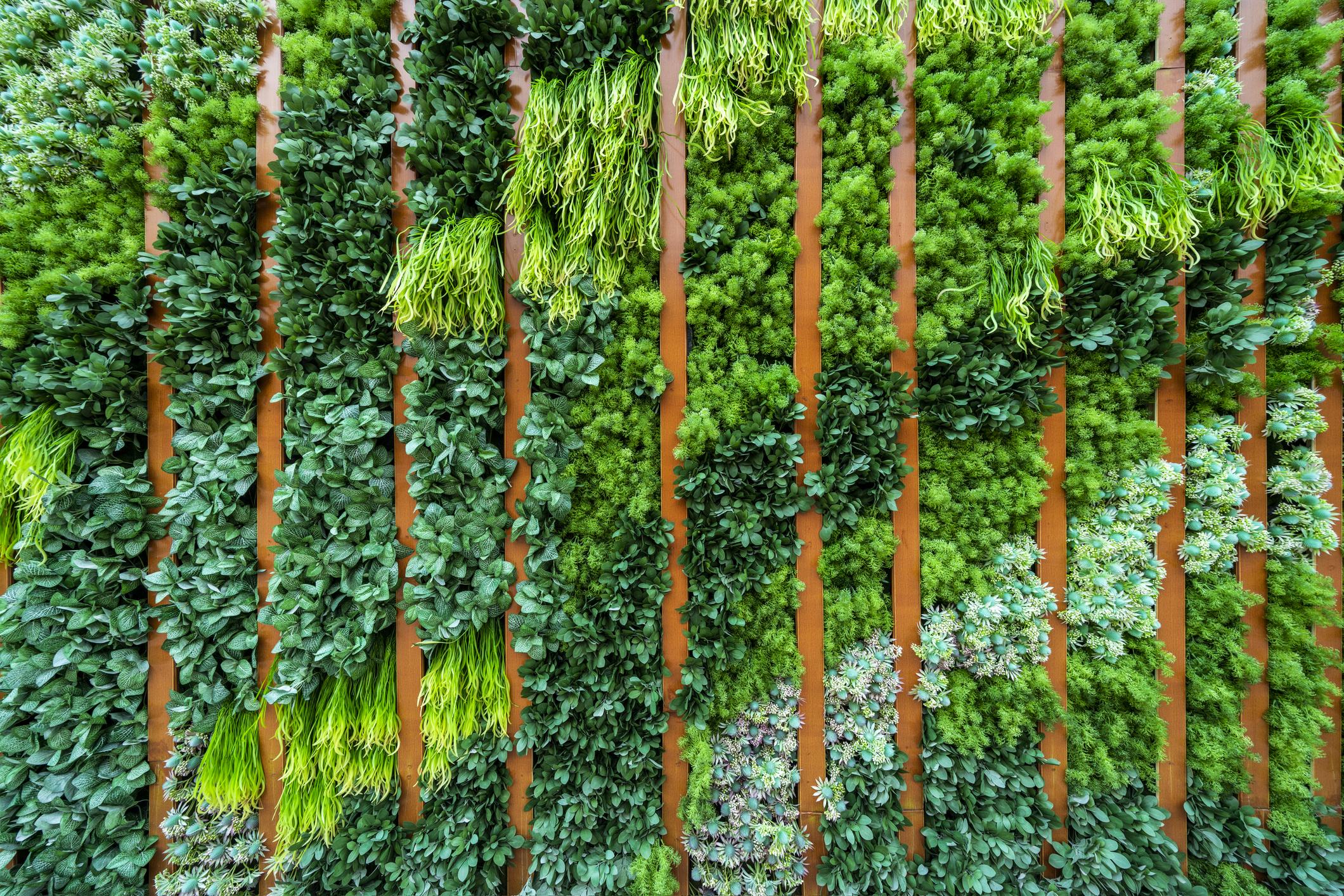
Urban vegetation helps reduce heat by providing shade, reflecting solar radiation, and facilitating evapotranspiration — a process that releases moisture from the ground and plants, which cools the surrounding air. Beyond lowering temperatures, green spaces may also benefit mental health, social interaction, physical activity, and air quality.
The study underscores the urgent need for urban planning strategies that prioritize greenery, not just for environmental benefits but for saving lives.
-IANS