





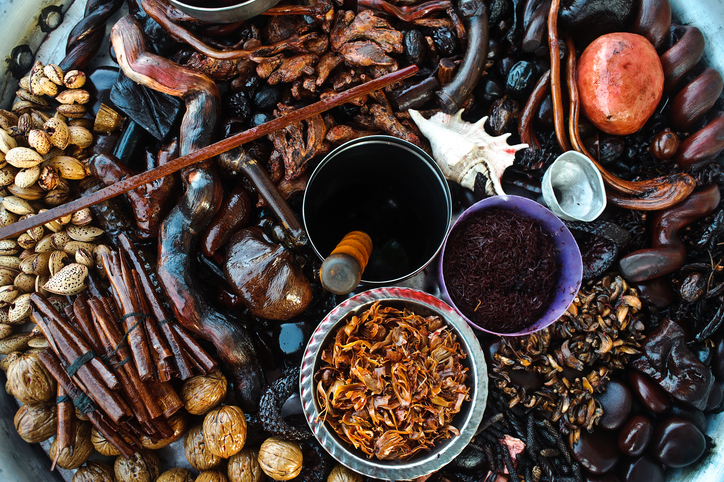
India will host the Second WHO Global Summit on Traditional Medicine from December 17 to 19, bringing global policymakers, scientists, practitioners and Indigenous knowledge holders together to shape the future of holistic health and well-being.
The summit, jointly organised by the World Health Organization (WHO) and the Ministry of Ayush, Government of India, will be held in New Delhi under the theme “Restoring balance: The science and practice of health and well-being.” The event builds on the inaugural summit held in Gandhinagar, Gujarat, in 2023.
According to the government, the summit comes at a time when health systems worldwide are facing challenges such as inequitable access, environmental stress and rising chronic diseases. The discussions will focus on reaffirming the role of Traditional Medicine while anchoring it firmly in science, evidence-based practice and ethical governance.
Guided by the WHO Global Traditional Medicine Strategy 2025–2034, the summit will explore how Traditional Medicine systems can contribute to people-centred healthcare and planetary well-being. Policymakers and experts will deliberate on policy pathways, emerging scientific evidence and innovations that support the safe and effective integration of Traditional Medicine into national health systems.
The three-day programme will open with a high-level plenary on restoring balance, examining gaps in knowledge, governance, access and planetary health, and exploring pathways towards a more resilient and inclusive global health future. Subsequent sessions will focus on scientific research, innovation, investment and regulatory frameworks to strengthen Traditional Medicine as an evidence-driven contributor to sustainable development and universal health coverage.
Another key focus will be the integration of Traditional Medicine into primary healthcare systems, drawing on experiences from regions such as South-East Asia and the Western Pacific. Discussions will highlight the importance of quality assurance, robust governance and international regulatory cooperation.
The summit will also address accountability, standards and data governance, including the responsible use of digital technologies and artificial intelligence. Speakers will emphasise respect for ancestral knowledge, protection of biodiversity, safeguarding of intellectual property rights and ethical use of medicinal resources.
Over 170 expert speakers will participate across more than 25 sessions, and 21 selected innovations from different regions will be showcased. The event is expected to witness participation from over 100 countries, including government leaders, scientists, traditional medicine practitioners, Indigenous community representatives, industry stakeholders and civil society organisations.
The summit will be held in a hybrid format, allowing both in-person and virtual participation. A key outcome will be the announcement of new initiatives, collaborations and commitments aimed at strengthening global cooperation and the evidence base for Traditional Medicine.
The government said the 2025 summit aims to advance a collective global vision for balanced, inclusive and sustainable health systems by bringing together diverse knowledge systems and perspectives at a crucial moment for global health.