











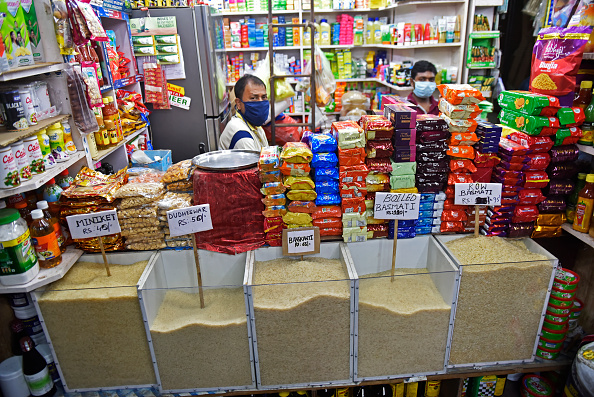
India’s retail inflation rate, based on the Consumer Price Index, fell to a five-month low of 4.31% in January as prices of vegetables and pulses eased, bringing respite to household budgets, according to figures released by the Ministry of Statistics on Wednesday.
The easing of inflation reflects a steadily declining trend after reaching a 14-month high of 6.21% in October. CPI inflation had fallen to 5.48% in November and 5.22% in December.
Food inflation, at 6.02% in January 2025, is the lowest since August 2024.
“The significant decline in headline inflation and food inflation during January is mainly attributed to the decline in inflation for vegetables, eggs, pulses, cereals, education, clothing, and health,” according to an official statement.
The five items with the highest year-on-year inflation at the All India level in January were coconut oil (54.20%), potato (49.61%), coconut (38.71%), garlic (30.65%), and peas (30.17%).
The items with the lowest year-on-year inflation in January 2025 were cumin (-32.25%), ginger (-30.92%), dry chilies (-11.27%), brinjal (-9.94%), and LPG (-9.29%).
The year-on-year fuel and light inflation rate for January stood at -1.38%, compared to -1.33% in December 2024, as fuel prices continued to decline.
RBI Governor Sanjay Malhotra announced on Friday a 25-basis-point cut in the policy rate from 6.5% to 6.25% in the monetary policy review to accelerate growth amid global uncertainties.
He stated that inflation had declined and was expected to further moderate, gradually aligning with the RBI’s target.
The monetary policy decision maintains a delicate balance between controlling inflation and boosting the growth rate in a slowing economy.
The MPC also unanimously decided to continue with its neutral stance in monetary policy, focusing on inflation while supporting growth. This approach provides flexibility to respond to the macroeconomic environment, Malhotra said.
With retail inflation continuing its downward trend, the RBI will have more room to adopt a soft monetary policy, making more credit available to businesses and consumers, thereby propelling economic growth.
(Inputs from IANS)












