India’s energy efficiency improved by 1.9 per cent between 2000 and 2023, which is faster than the global average of 1.4 per cent, according to a study carried out by an RBI research team.
The report also stated that India was far ahead of the other BRICS countries which averaged 1.62 per cent. However, India’s energy efficiency lagged developed markets, like the US and Germany, which witnessed an over 2 per cent rise during this period.
Between 2012 and 2022, India’s energy-related CO2 emissions rose by 706 million tonnes, primarily driven by economic growth. A lesser contribution came from changes in the fuel mix. However, the study notes that gains in energy efficiency, structural shifts in the economy, and reductions in the emission intensity of electricity, thanks to increased renewable energy use, helped offset nearly 450 million tonnes of emissions.
“Going ahead, the emission factor effect is expected to play a more prominent role as renewables increasingly replace fossil fuels and green hydrogen usage expands in industries,” RBI researchers said.
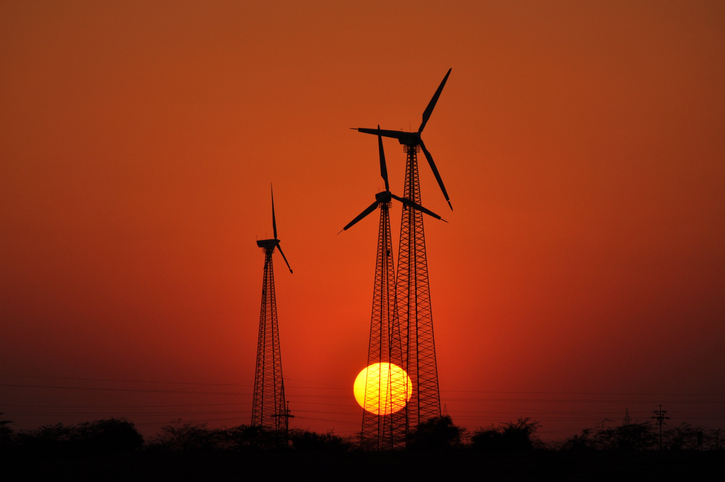
Renewables have had a small but significant impact on emission reduction over the past decade, with solar and wind accounting for 2.1 per cent of total primary energy in 2022-23, the report stated.
The study observed that despite improvements in decoupling emissions from growth, India needs to institute further changes to achieve the net zero goal.
India should intensify its focus on expanding renewable energy. Solar and wind power tariffs are now lower than those for new coal power plants, dispelling earlier concerns about the high costs of renewables, the report published in the RBI’s monthly bulletin stated.
The report examines the drivers behind India’s CO2 emissions growth from 2012 to 2022 using the Logarithmic Mean Divisia Index (LMDI) decomposition method.
It breaks down total emissions into key contributing factors, including the impact of GDP growth, improvements in energy efficiency, shifts in the economic structure, changes in the composition of the fuel and the growing share of renewable energy in electricity generation, which reduces the carbon intensity of electricity, it said.
(IANS)