India on Thursday described the Indus Waters Treaty as “outdated” and incompatible with present-day realities while strongly criticising Pakistan at the United Nations Human Rights Council (UNHRC), saying a country that continues to support terrorism cannot expect the benefits of cooperation based on goodwill and friendship.
Speaking during India’s right of reply at the 62nd Session of the UN Human Rights Council, Anupama Singh, First Secretary at India’s Permanent Mission to the United Nations, rejected allegations made by Pakistan and criticised Islamabad for repeatedly raising bilateral issues at international forums.
“Our position on the Indus Water Treaty is well known. It defies logic that a state which exports terror as an instrument of policy continues to demand the privileges of cooperation predicated on goodwill and friendship. It is equally undeniable that the treaty is now outdated,” Singh said.
She noted that no technical arrangement can remain unchanged indefinitely and argued that a treaty negotiated in 1960 cannot be viewed as a permanent entitlement insulated from accountability and evolving circumstances.
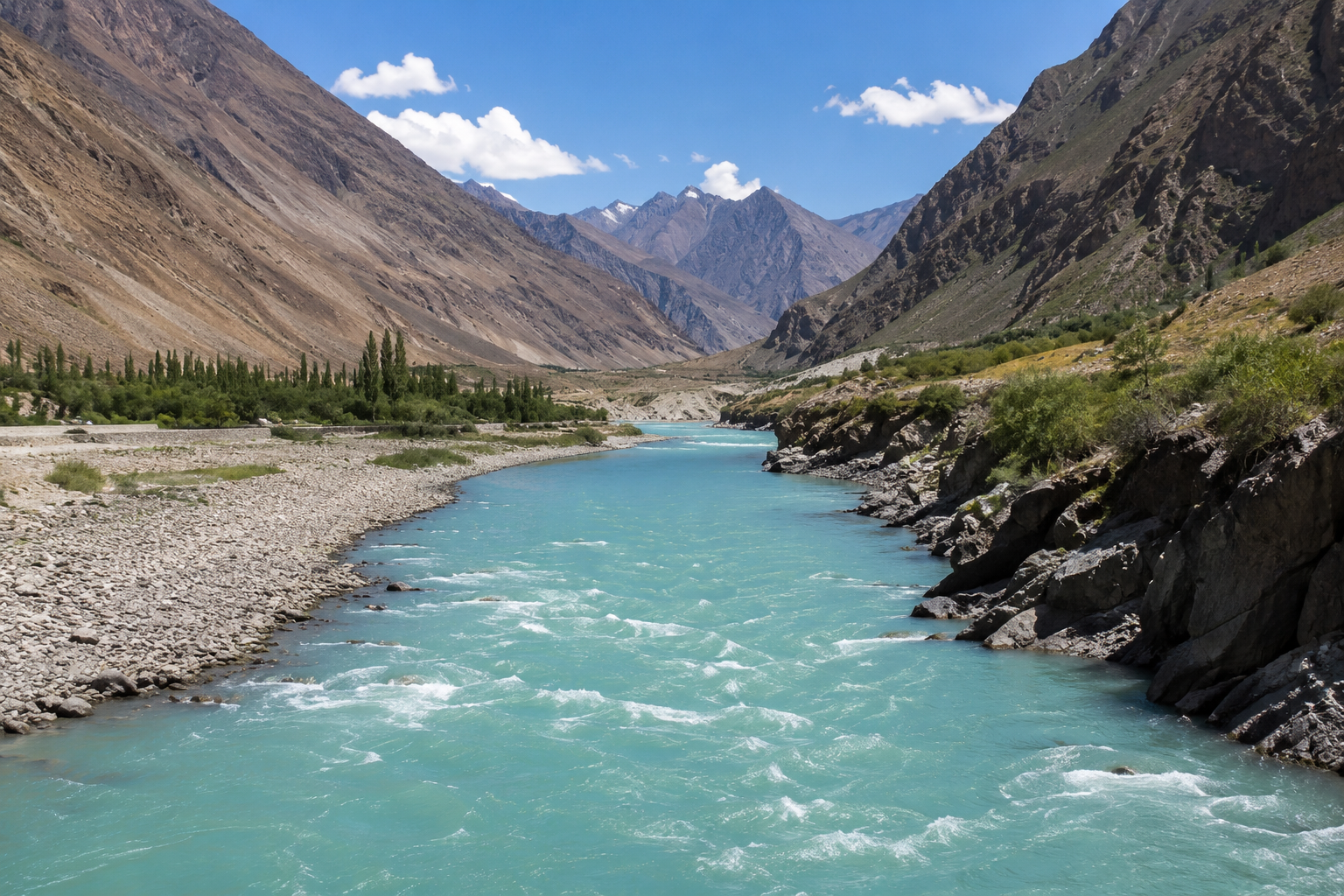
India placed the 1960 Indus Waters Treaty in abeyance following the Pahalgam terror attack, in which 26 people were killed, stating that the suspension would remain in effect until Pakistan “credibly and irrevocably” ends its support for cross-border terrorism.
According to the Central government, Pakistan relies on the Indus river system for around 80 per cent of irrigation across its 16 million hectares of agricultural land and accounts for 93 per cent of the country’s total water use.
Singh also urged Pakistan to address its internal challenges instead of making allegations against India.
“Instead of coveting Indian territories, Pakistan would serve itself and its people far better by putting its own house in order. Its seasonal theatrics in this council have long outlived any novelty,” she said.
The Indian diplomat further criticised Pakistan’s record on terrorism, referring to it as a “Frankenstein state” that had nurtured extremist groups and later suffered the consequences of those policies.
“This is the country where the sitting Defence Minister boasts of hosting, training and deploying terrorists as a state policy, and yet Pakistan calls itself a victim of terrorism,” Singh said.
Rejecting references made by Pakistan and the Organisation of Islamic Cooperation (OIC) on Jammu and Kashmir, Singh said India categorically rejected what she described as “baseless and malicious allegations”.
“Pakistan’s propaganda is designed to mask its domestic failures and support for terrorism,” she said.
Reaffirming New Delhi’s position on Jammu and Kashmir, Singh said the region “was, is and will always remain an integral and inalienable part of India”. She added that the only unresolved issue concerning the region was Pakistan’s “illegal occupation” of Indian territory.
India’s intervention at the UNHRC reiterated its rejection of Pakistan’s allegations while highlighting concerns over terrorism, cross-border hostility and developments in Pakistan-occupied Jammu and Kashmir.
(With ANI inputs)