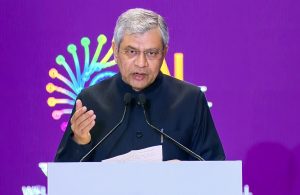








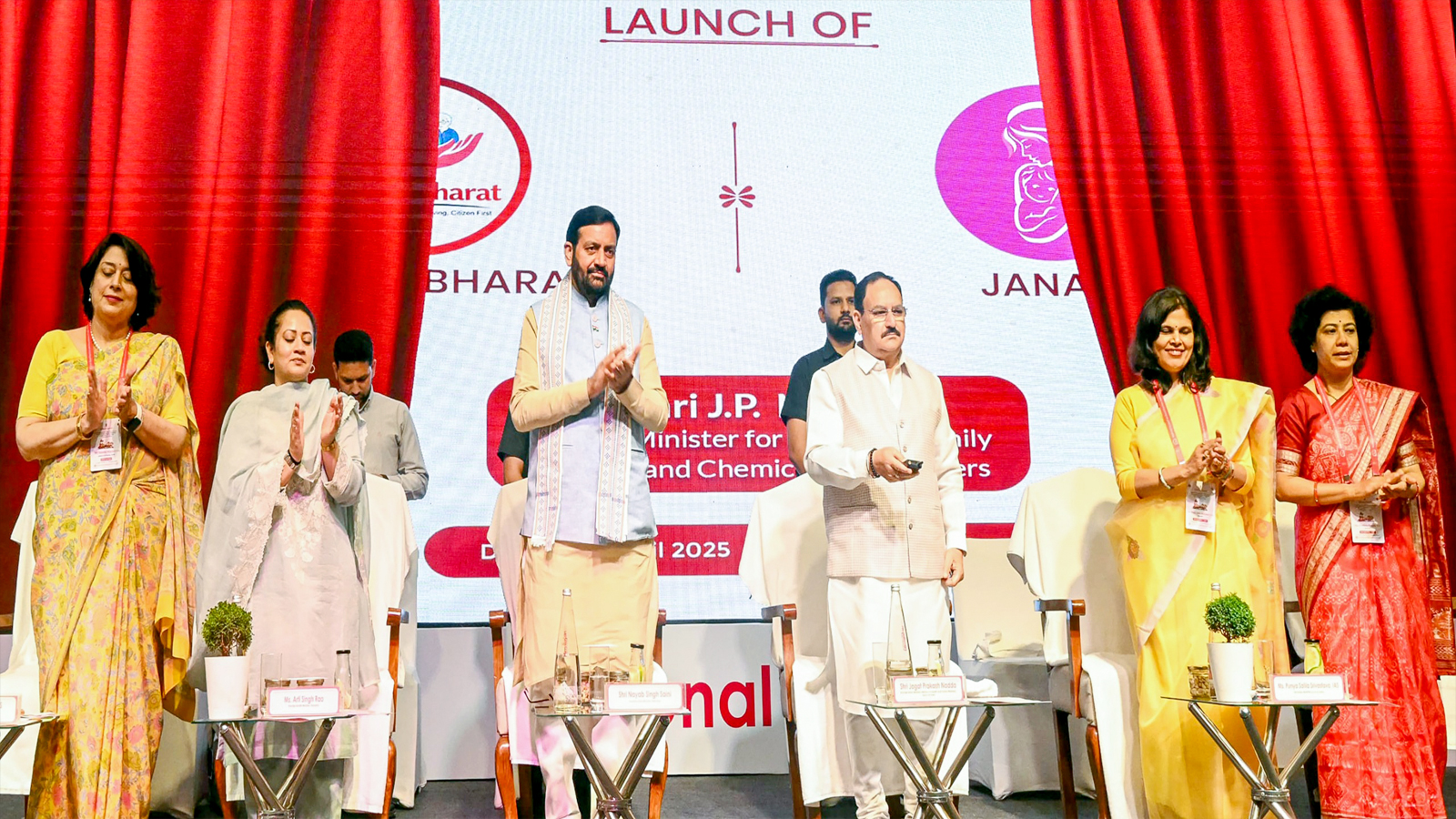
Union Health Minister Jagat Prakash Nadda on Wednesday inaugurated the 10th National Summit on Innovation and Inclusivity: Best Practices Shaping India’s Health Future, unveiling a series of major initiatives aimed at strengthening India’s public healthcare system, while underscoring a significant milestone – zero median out-of-pocket expenditure for outpatient care in government health facilities.
Addressing the summit, Nadda highlighted the government’s shift toward a holistic healthcare model that integrates preventive, promotive, curative and palliative care. He said the transformation has been driven under the leadership of Prime Minister Narendra Modi, with a strong focus on accessibility, affordability and quality.
The summit, hosted under the National Health Mission, brought together representatives from states and Union Territories to showcase best practices and innovations shaping India’s healthcare landscape.
A major highlight of the event was the launch of several key initiatives, including the Swasth Bharat Portal, JANANI digital platform, the 17th Common Review Mission report, an integrated training module for primary healthcare teams, and RBSK 2.0 guidelines aimed at strengthening child health services.
Citing findings from the National Sample Survey Office, Health Secretary Punya Salila Srivastava said the median out-of-pocket expenditure for outpatient care in public health facilities has dropped to zero, marking a major step in ensuring financial protection for citizens.
Nadda highlighted the expanding role of over 1.85 lakh Ayushman Arogya Mandir, which now serve as the first point of contact for preventive and primary care across the country. These centres are playing a crucial role in large-scale screening for non-communicable diseases such as diabetes, hypertension and cancers.
He also pointed to improvements in key health indicators, noting that institutional deliveries have risen to 89%, while maternal and child mortality rates have seen significant declines. India has achieved a 79% reduction in under-five mortality and a 73% drop in infant mortality, alongside progress in controlling diseases like tuberculosis and malaria.
The minister stressed that while progress has been substantial, challenges remain—particularly the growing burden of non-communicable diseases. He called for stronger follow-up systems, improved treatment adherence and better coordination under the National Health Mission to ensure effective last-mile delivery.
Haryana Chief Minister Naib Singh Saini, who was present at the event, showcased the state’s healthcare initiatives, including digital consultations through eSanjeevani and expanded infrastructure. He said Haryana’s health budget has increased significantly, reflecting the state’s commitment to strengthening healthcare delivery.
The summit also emphasized the role of digital transformation under the Ayushman Bharat Digital Mission, which is enabling integrated health records and data-driven decision-making across the system.
Concluding his address, Nadda stressed that effective implementation, timely utilisation of resources and strong governance will be key to achieving a robust, inclusive and future-ready healthcare system in India.