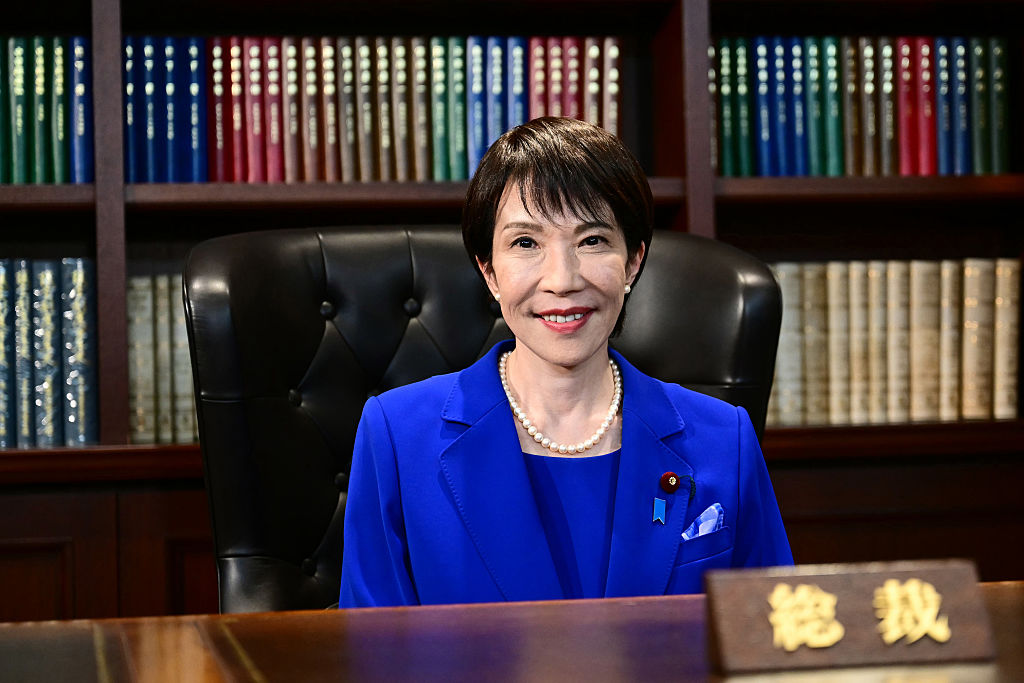
Japan’s Prime Minister Sanae Takaichi plans to dissolve parliament next week and call a snap parliamentary election, the secretary general of her party said on Wednesday, as she seeks public backing for spending plans that have rattled financial markets.
Takaichi is considering holding the election on February 8, two ruling party lawmakers said, requesting anonymity due to the sensitivity of the matter.
“We need to seek a fresh mandate,” Shunichi Suzuki, secretary general of the Liberal Democratic Party, told reporters after meeting Takaichi, adding that she would outline her plans next Monday.
Japan’s first female prime minister will be looking to ride a surge in public support since coming to office in October despite triggering a major diplomatic row with powerful neighbour China.
Suzuki said the ballot would allow voters to judge the LDP’s new coalition with the right-wing Japan Innovation Party, known as Ishin. Takaichi formed the alliance last year after breaking with Komeito, the LDP’s longstanding and more liberal partner.
“One reason for dissolving parliament is that the previous election was under the LDP-Komeito government; the public has not yet rendered a verdict on the change in our coalition partner,” Suzuki added.
SIGNALS TO BEIJING
The vote will also test public appetite for Takaichi’s plans to boost government spending to revive growth and increase defence outlays under a revised national security strategy, Suzuki said.
Reports last week that she was considering a snap poll triggered a selloff in Japan’s yen and government bonds as investors fretted over how one of the world’s most indebted advanced economies would pay for her fiscal expansion.
The election also comes amid the worst dispute in more than a decade between Asia’s two biggest economies.
Takaichi said last year that a Chinese attack on Taiwan could constitute an existential threat to Japan – remarks Beijing has demanded she retract. She has not done so, prompting countermeasures including advising its citizens not to travel to Japan and issuing a curb on dual‑use exports.
“The election would presumably be won on her handling of the economy,” said Jeremy Chan, a senior analyst for Northeast Asia with political risk consultancy Eurasia Group.
“The upside for Takaichi of a convincing victory, though, is that it would also signal to Beijing that she is here to stay and China’s suite of coercive tactics are not going to succeed in driving her from office.”
With the timing of the election likely to complicate passage of the 2026 budget before the fiscal year ends in March, Takaichi is considering a temporary spending measure, the Yomiuri newspaper has reported.
(Reuters)