








The world experienced its second-warmest May since records began, a month in which climate change fuelled a record-breaking heatwave in Greenland, scientists said on Wednesday.
Last month was Earth’s second-warmest May on record – exceeded only by May 2024 – rounding out the northern hemisphere’s second-hottest March-May spring on record, the EU’s Copernicus Climate Change Service (C3S) said in a monthly bulletin.
Global surface temperatures last month averaged 1.4 degrees Celsius higher than in the 1850-1900 pre-industrial period, when humans began burning fossil fuels on an industrial scale, C3S said.
That broke a run of extraordinary heat, in which 21 of the last 22 months had an average global temperature exceeding 1.5C above pre-industrial times – although scientists warned this break was unlikely to last.
“Whilst this may offer a brief respite for the planet, we do expect the 1.5C threshold to be exceeded again in the near future due to the continued warming of the climate system,” said C3S director Carlo Buontempo.
The main cause of climate change is greenhouse gas emissions from burning fossil fuels. Last year was the planet’s hottest on record.
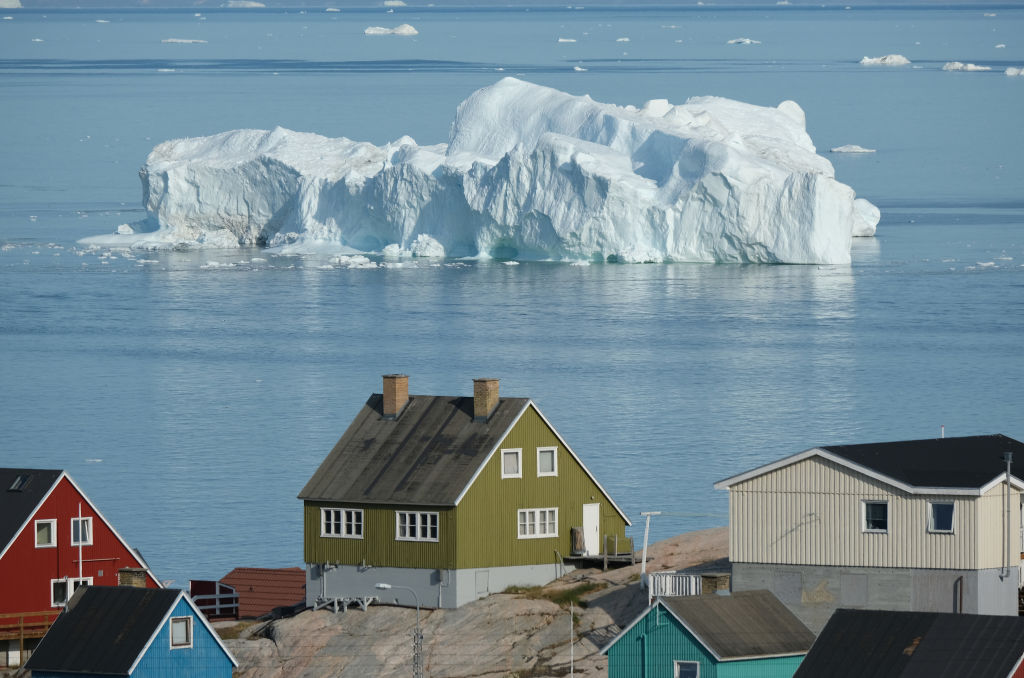
A separate study, published by the World Weather Attribution group of climate scientists on Wednesday, found that human-caused climate change made a record-breaking heatwave in Iceland and Greenland last month about 3C hotter than it otherwise would have been – contributing to a huge additional melting of Greenland’s ice sheet.
“Even cold-climate countries are experiencing unprecedented temperatures,” said Sarah Kew, study co-author and researcher at the Royal Netherlands Meteorological Institute.
The global threshold of 1.5C is the limit of warming which countries vowed under the Paris climate agreement to try to prevent, to avoid the worst consequences of warming.
The world has not yet technically breached that target – which refers to an average global temperature of 1.5C over decades.
However, some scientists have said it can no longer realistically be met, and have urged governments to cut CO2 emissions faster, to limit the overshoot and the fuelling of extreme weather.
C3S’s records go back to 1940, and are cross-checked with global temperature records going back to 1850.
(Reuters)