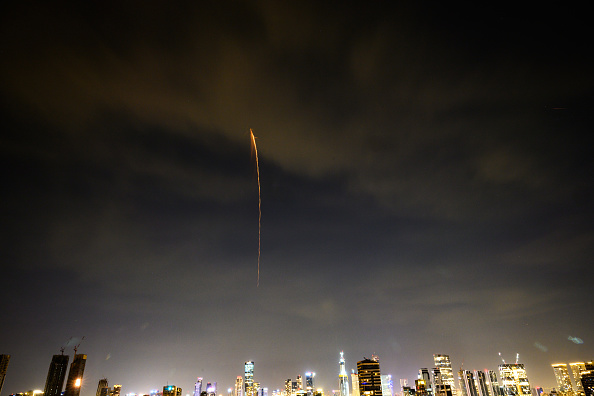
Operations at ADNOC’s Habshan gas facilities in Abu Dhabi were suspended after debris from an intercepted aerial threat sparked a fire at the site, as tensions continued to spill into GCC countries. Abu Dhabi authorities said emergency teams quickly contained the blaze and no injuries were initially reported. In a separate interception, debris also fell in the Ajban area. Later, authorities reported that 12 people were injured in Ajban, including five Indian nationals and six Nepali nationals, most with minor to moderate injuries. One Nepali worker was reported seriously injured. UAE air defences intercepted 18 ballistic missiles, four cruise missiles and 47 drones launched from Iran today.
In Kuwait, a power and desalination facility reported material damage following an attack, prompting emergency response measures. Kuwait relies on desalination for nearly 90 percent of its drinking water, making such facilities critical to national supply. Iran meanwhile rejected reports that it targeted a Kuwaiti power and desalination facility. In the UAE, falling debris from air defence interceptions triggered a fire at the Habshan gas facility; another interception injured 12 people including five Indian nationals in the Ajban area of Abu Dhabi, highlighting spillover risks to civilian and industrial zones. Habshan, one of the world’s largest gas processing hubs, is linked to the Port of Fujairah through a 360 kilometre pipeline that allows exports to bypass the Strait of Hormuz. This marks the second disruption at Habshan after a similar incident on March 19.Iran has publicly listed several major bridges across GCC countries as potential targets for a tit-for-tat response to the recent US-Israeli strikes that damaged Iran’s B1 bridge near Karaj earlier today.
The incidents follow repeated drone and missile launches across the Gulf, raising fears of wider disruption to energy exports, shipping routes and critical infrastructure across GCC states.
Separately, the United Nations Security Council is set to review a draft resolution submitted by Bahrain addressing maritime security in the Strait of Hormuz. Bahrain’s Foreign Minister Abdullatif bin Rashid Al Zayani said the move responds Iran’s illegal attempts to control international shipping, calling for a unified international response. Meanwhile, Israeli Prime Minister Benjamin Netanyahu said Israeli strikes had destroyed about 70 percent of Iran’s steel production capacity, calling it a tremendous achievement that reduced resources available to the Islamic Revolutionary Guard Corps.
Iran’s army said it launched drone strikes early Friday targeting US military support facilities in Jordan and Kuwait, describing the attacks as retaliation for recent American strikes on Iranian infrastructure, signaling continued escalation across West Asia.