











Researchers at Nagaland University have identified a naturally occurring plant compound called ‘Sinapic acid’ as a powerful therapeutic agent that can significantly promote wound healing in patients with diabetes.
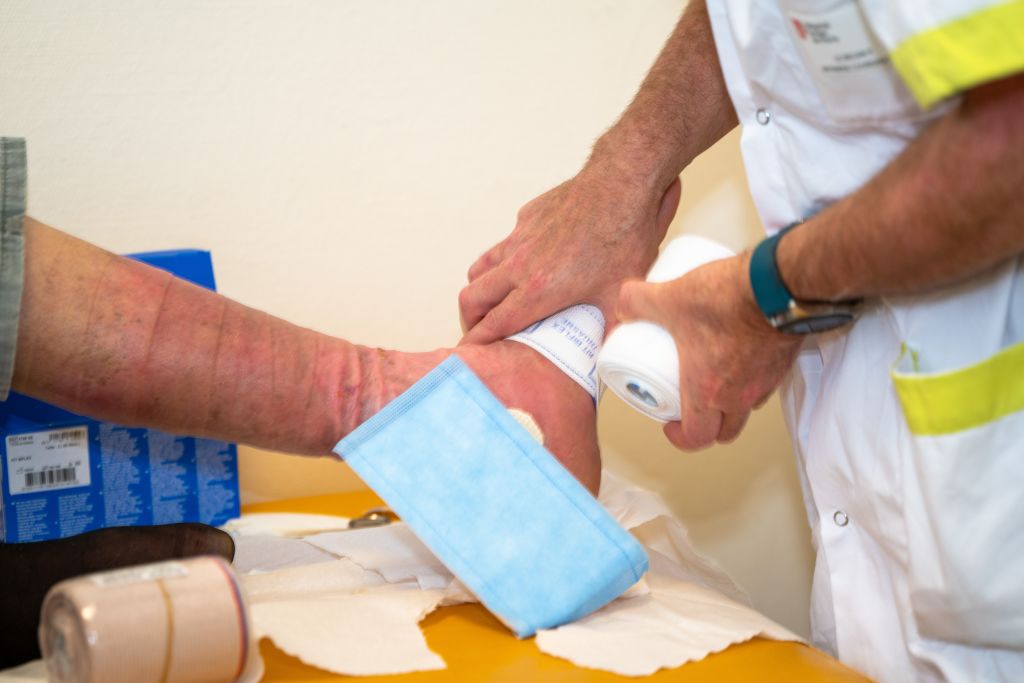
A diabetic wound is a slow-healing sore, most often a foot ulcer. Also known as diabetic foot, it raises the risk of nerve damage (neuropathy), poor blood circulation, infections, and, in severe cases, amputation.
The study, published in the journal Nature Scientific Reports, demonstrated that oral administration of Sinapic acid can accelerate diabetic wound healing in preclinical models.
Sinapic acid is a naturally occurring antioxidant found in various edible plants. The research established that the compound works by activating the SIRT1 pathway, which plays a crucial role in tissue repair, angiogenesis, and inflammation control.
The discovery marks a major advancement that could lead to safe, natural, and effective treatments for diabetic wound management.
“Diabetes mellitus remains one of the world’s most pressing chronic diseases, affecting hundreds of millions globally. Among its serious complications is delayed wound healing, often resulting in diabetic foot ulcers, infections, and, in severe cases, amputation. Existing synthetic drugs have shown limited efficacy and often cause undesirable side effects,” said Prof. Pranav Kumar Prabhakar, Head of the Department of Biotechnology, School of Engineering and Technology, Nagaland University.
“We found that a lower dose (20 mg/kg) was more effective than a higher one (40 mg/kg), a phenomenon known as ‘Inverted Dose-Response.’ This result not only optimises dosage strategy but also has significant clinical implications for future drug development,” he added.
Importantly, the discovery could help reduce the risk of amputation and accelerate recovery in diabetic foot ulcers, providing an affordable, natural oral therapy and improving accessibility for patients in rural and resource-limited settings.
The research developed robust preclinical evidence that Sinapic acid enhances wound healing, improves metabolic health, and mitigates oxidative stress in diabetic models. The next phase will include pilot clinical trials, the researchers said.
IANS







