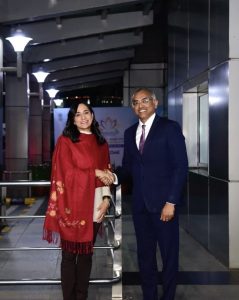







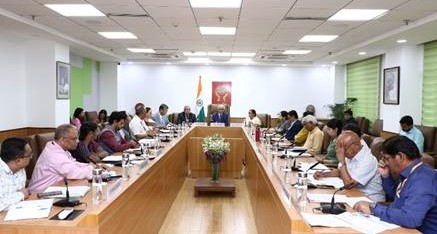
The National Human Rights Commission (NHRC) on Thursday stressed the need for stronger protection of natural ecosystems, improved urban planning and robust heatwave mitigation measures as it convened a meeting of its Core Group on Environment and Climate on the theme “Heat Wave and its Mitigation in Urban Areas”.
Chairing the meeting, NHRC Chairperson Justice V. Ramasubramanian said discussions on pollution in winter and heatwaves in summer have become an annual exercise, but mitigation efforts have yielded limited results in protecting lives. He noted that rapid urbanisation, destruction of water bodies and shrinking forest cover have contributed significantly to rising temperatures and heat stress in cities.
Emphasising that environmental damage accumulated over decades cannot be reversed overnight, Justice Ramasubramanian called for stronger safeguards for existing forests and water bodies, stricter regulation of construction activities around natural ecosystems and sustainable urban development measures to mitigate the impact of extreme heat.
NHRC Member Justice (Dr.) Bidyut Ranjan Sarangi underscored the need to balance urban development with environmental protection and urged collective efforts to conserve natural resources and expand green spaces for future generations.
Opening the discussions, NHRC Secretary General Bharat Lal described heatwaves as a growing human rights concern linked to climate change and environmental degradation. He expressed concern over the rising number of heat-related deaths across the country despite various mitigation measures adopted by governments and local bodies. He said vulnerable groups such as construction workers, outdoor labourers, gig workers, the elderly and those lacking access to cooling facilities remain particularly at risk.
The meeting brought together representatives from government departments, municipal bodies, disaster management agencies, academic institutions, environmental organisations and civil society groups to discuss heatwave preparedness and urban resilience.
Experts highlighted a range of measures to address the growing threat of extreme heat, including ward-level heat forecasting, AI-based vulnerability mapping, stronger Heat Action Plans, dedicated heat officers and improved protection for outdoor workers. Officials from the India Meteorological Department (IMD), National Disaster Management Authority (NDMA) and the Ministry of Health and Family Welfare outlined ongoing efforts to strengthen early warning systems, public health preparedness and city-level heat response mechanisms.
Among the key recommendations emerging from the meeting was the need to improve heatwave mortality and morbidity surveillance through a unified and scientifically validated reporting and data management system. Participants also called for the development of heat vulnerability maps, stronger healthcare preparedness, occupational safety standards, community cooling centres and targeted support for vulnerable populations.
The discussions further emphasised climate-sensitive urban planning through cool roofs, reflective materials, better ventilation, expanded urban green cover, restoration of wetlands and water bodies, sustainable water management and stricter enforcement of environmental and building regulations.
The Commission said it would further deliberate on the suggestions received before finalising its recommendations for the Centre and state governments aimed at reducing heatwave-related risks and strengthening urban climate resilience.