The United Nations children’s agency said on Friday it will run out of its supply of lifesaving food to treat children suffering from acute forms of malnutrition in Ethiopia and Nigeria within the next two months due to lack of funding exacerbated by Trump administration cuts to foreign aid.
Some 1.3 million children under five suffering from severe acute malnutrition risk losing access to lifesaving support this year in Ethiopia and Nigeria, UNICEF says.
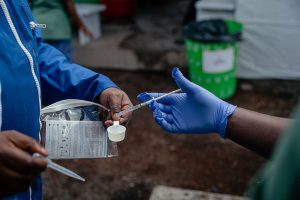
“Without new funding, we will run out of our supply chain of Ready-to-Use-Therapeutic-Food by May, and that means that 70,000 children in Ethiopia that depend on this type of treatment cannot be served,” Kitty Van der Heijden, UNICEF’s deputy executive director, told reporters in Geneva via video link from Abuja on Friday. “Interruption to continuous treatment is life-threatening.”
In Nigeria, UNICEF said it may run out of supplies to feed 80,000 malnourished children as soon as the end of this month. Van der Heijden described recently being in a hospital in Maiduguri with a child who was so malnourished that her skin was falling off.
International donors have in recent years reduced contributions to UN agencies, including UNICEF. Its funding woes were accelerated when the United States, its top donor, imposed a 90-day pause on all U.S. foreign aid on the first day of President Donald Trump’s return to the White House in January.
That action, and ensuing orders halting many programmes of the U.S. Agency for International Development worldwide, have jeopardised the delivery of lifesaving food and medical aid, throwing into chaos global humanitarian relief efforts.
“This funding crisis will become a child survival crisis,” warned Van der Heijden, adding that the sudden nature of the cuts did not give the agency the ability to mitigate the risks.
Funding cuts have also hit health programmes offering nutrition and malaria care for pregnant women and children in Ethiopia. Twenty-three mobile health clinics were taken out of operation in the region of Afar, with only seven left operating due to funding cuts, according to UNICEF.
(Reuters)