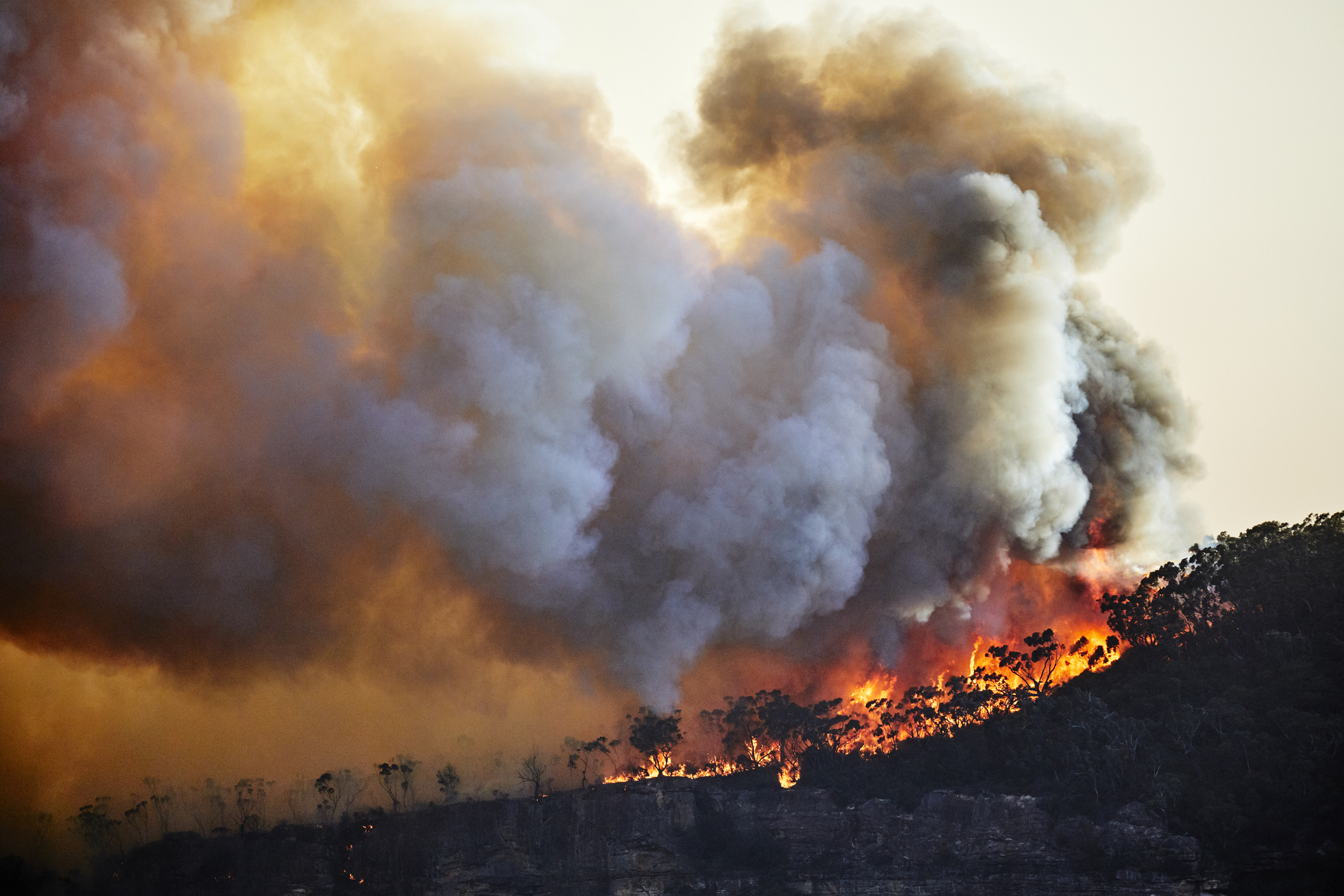
Over half of Australia’s animal and plant species experienced population declines following the 2019-20 megafires, according to new research.
The study, published by Melbourne’s Deakin University in Nature, analyzed the impact of the Black Summer bushfires on 1,380 animal and plant species across Australia, as reported by Xinhua News Agency.
Findings show that 55 percent of species experienced declines after the fires, either due to reduced overall abundance or occupying fewer sites.
The 2019-20 fires were among the most devastating in Australian history, burning an estimated 24.3 million hectares of land—primarily on the east coast—and directly causing 34 deaths, along with hundreds more due to smoke inhalation.
The study highlighted that mammals were particularly vulnerable, with average declines twice as severe compared to other animal groups.
However, the research also noted that 44 percent of the analyzed species were more commonly found in the burned areas post-fire, with increases generally balancing out the declines in other species.
Compiled by over 100 scientists, the report calls for a reassessment of Australia’s fuel-reduction burning practices. Prescribed burns are commonly conducted across the country before bushfire season to reduce flammable materials, like plants, branches, logs, leaves, and bark.
The study found that prescribed burning could exacerbate ecosystem disruptions, particularly when large fires occur. In areas that had experienced three or more fires in the previous 40 years, negative biodiversity impacts were up to 93 percent higher than in regions burned once or not at all.
Furthermore, areas that burned within the 10 years before the Black Summer fires faced 70 percent larger negative impacts compared to those unburned for at least 20 years.
The study suggests that intermediate fire intervals of 11-20 years cause the least biodiversity disruption, allowing unburned intervals to serve as refuges and promote habitat features, like tree hollows, that develop over time.
(Inputs from IANS)