India’s Permanent Representative to the United Nations, Parvathaneni Harish, on Tuesday delivered a sharp rebuttal to Pakistan at the UN Security Council, accusing Islamabad of continuing cross-border aggression and sponsoring terrorism against India. He said Pakistan would have to “accept the consequences” of its actions.
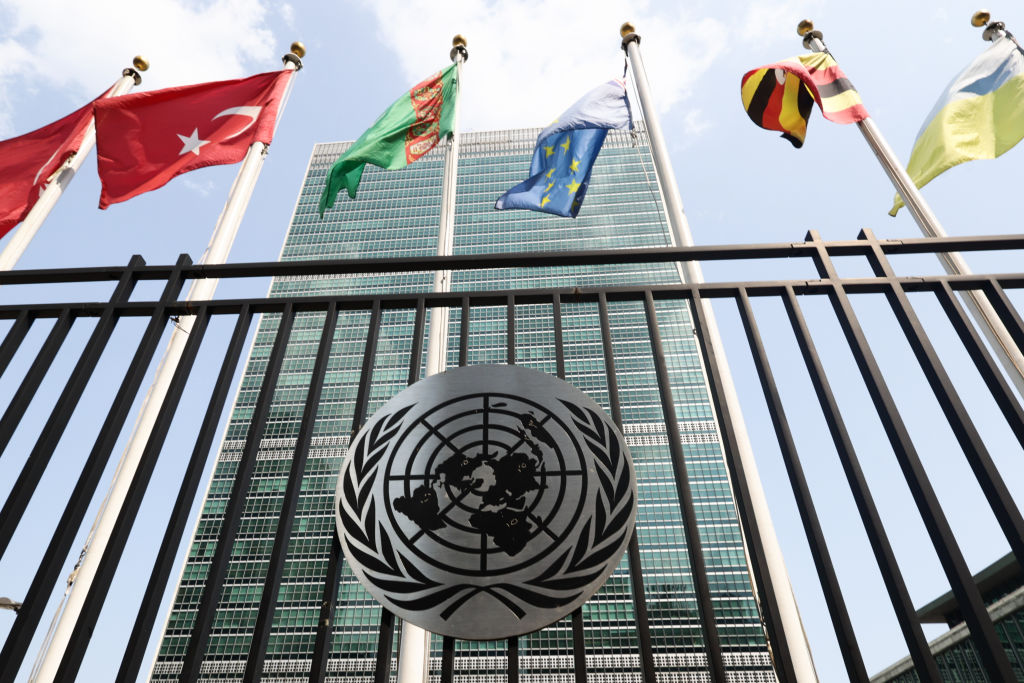
Speaking during the UN Security Council Open Debate on “Upholding the Purposes and Principles of the UN Charter and Strengthening the UN-Centred International System,” Harish said India had the right to defend itself against cross-border terrorism.
“Pakistan will have to accept that there are consequences to its sponsorship of cross-border terrorism. Pakistan’s harnessing of the malevolent forces of terrorism, religious extremism, violent radicalism and anti-India rhetoric has continued unabated since its creation,” he said.
Harish also criticised Pakistan’s long-standing policy of “bleeding India with a thousand cuts,” stating that such actions exposed Islamabad’s “hollow rhetoric” regarding its commitment to the UN Charter.
“Pakistan, by waging several wars and inflicting unprovoked aggression against India, and through its continued sponsorship of cross-border terrorism, has violated the principles of sovereignty, territorial integrity and peaceful coexistence,” he said.
He reiterated India’s demand that Pakistan end all forms of support to terrorism.
The remarks came amid renewed tensions following references to Jammu and Kashmir in a joint statement issued by China and Pakistan earlier on Tuesday.
India strongly rejected the references, asserting that Jammu and Kashmir and Ladakh “have been, are and will always remain integral and inalienable parts of India.”
Responding to media queries, Ministry of External Affairs spokesperson Randhir Jaiswal said India’s position on the matter was “consistent and well known” to all concerned parties.
“India categorically rejects unwarranted references to the Union Territory of Jammu and Kashmir in the Joint Statement between China and Pakistan,” Jaiswal said.
He also reiterated India’s opposition to projects under the so-called China-Pakistan Economic Corridor (CPEC) that pass through territories claimed by India.
“As regards the so-called China-Pakistan Economic Corridor (CPEC) projects, some of which are in India’s sovereign territory, we resolutely oppose and reject any moves by other countries to reinforce or legitimise Pakistan’s illegal and forcible occupation of these territories, impinging on India’s sovereignty and territorial integrity,” he said.
Jaiswal added that India’s concerns had been conveyed to both Pakistani and Chinese authorities on multiple occasions.
During the UNSC debate, Harish also said independent India began its journey while facing cross-border aggression from Pakistan, which, he noted, sought territories that had legally and irrevocably acceded to India.
(With ANI inputs)