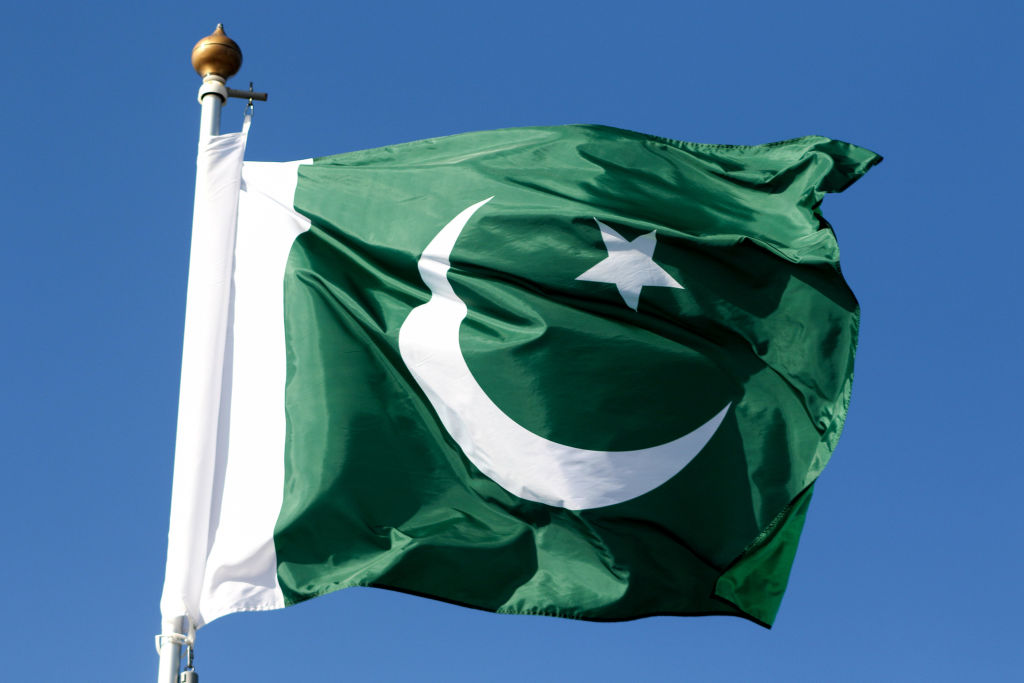
Pakistan on Monday passed an amendment to a law that will extend the terms of the heads of the armed forces to five years from three, in a rowdy parliamentary session opposed by jailed ex-Prime Minister Imran Khan’s party.
Extending the term of commanders including Army Chief General Asim Munir would deal another blow to the embattled Khan and his party, which blames the military for his downfall.
The measure from the government of Prime Minister Shehbaz Sharif, who leads a coalition of parties opposed to Khan that took power after an election in February, could be aimed at shoring up support from powerful military figures.
The bill to amend the Pakistan Army Act of 1952 was moved by Defence Minister Khawaja Muhammad Asif. House Speaker Ayaz Sadiq announced in a live telecast of the proceedings that the bill had passed.
The amendment had the support of the senate upper house, which also has a majority from parties opposed to Khan, in a vote telecast live by local TV news channels.
Geo TV reported that it took 16 minutes for the senate to pass the amendment into law, which Khan’s party lawmaker Omar Ayub termed bulldozing the legislation by the ruling alliance without any debate in either house.
“It is neither good for the country nor for the armed forces,” Ayub said.
Khan’s party’s lawmakers opposed the bill during the sessions, and some tore apart copies of it.
“There is no harm if the tenure of any services chief is extended to five years, like we have a five-year term for a government,” Information Minister Attaullah Tarar told Geo New TV. “It will help bring stability and continuity of policies within institutions.”
The service tenure will start from the day of the appointment of the chiefs, Asif, the defence minister, told Geo TV.
Under the new law, General Munir, who took office in November 2022 with a timeline to retire in 2025, will serve until 2027, irrespective of a retirement age of 64 for a general.
The former prime minister, who has been in jail since August last year, has been at odds with generals he blames for his 2022 ousting after he fell out with then-army chief Qamar Javed Bajwa.
Khan’s party backed candidates who won the most seats in February’s election but fell short of a majority, clearing the way for his opponents to form a government.
Khan’s supporters have since been agitating in parliament and on the streets, alleging that the election was rigged to keep them out of power, which the army and the election commission deny.
They say the ruling alliance does not enjoy legitimacy, an accusation the government denies.
(Reuters)