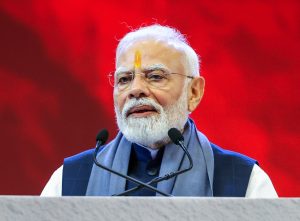
Prime Minister Narendra Modi on Monday shared an article by Union Coal Minister G Kishan Reddy, highlighting how India’s coal sector has undergone a major transformation over the past 11 years and is emerging as a next-generation fuel aligned with the country’s green and development goals.
Responding to a post by Reddy on X, the Prime Minister described the article as a “must-read”, noting that it outlines how coal will continue to play an important role in India’s journey towards Viksit Bharat 2047 by integrating with green technologies.
“In this must-read article, Union Minister Shri G Kishan Reddy reflects on how, over the last 11 years, India’s coal sector has been reinventing itself as a next-generation fuel. The Minister underscores that coal will continue to contribute to India’s journey towards Viksit Bharat 2047, integrating seamlessly with green technologies,” PM Modi said.
Earlier, Reddy shared the link to his article titled ‘Coal Powers India’s Reform Express’, stating that India’s coal sector presents a compelling story of reform, transparency and future readiness. He said that under the leadership of PM Modi, the sector has moved away from opacity and inefficiency to become technology-driven and market-oriented.
In his article, the minister traces the long history of coal in India, from the beginnings of commercial mining in the 18th century to nationalisation in the 1970s, and the challenges that followed due to policy constraints and stagnation. He notes that despite abundant reserves, coal production lagged behind global peers for decades, affecting industrial growth and energy security.
Reddy highlights 2014 as a turning point, when structural reforms were introduced to reset the sector. These included the dismantling of the opaque allocation regime, the introduction of transparent auctions, and the opening up of commercial coal mining. According to the article, these reforms restored investor confidence, improved mine planning and logistics, and strengthened governance in the sector.
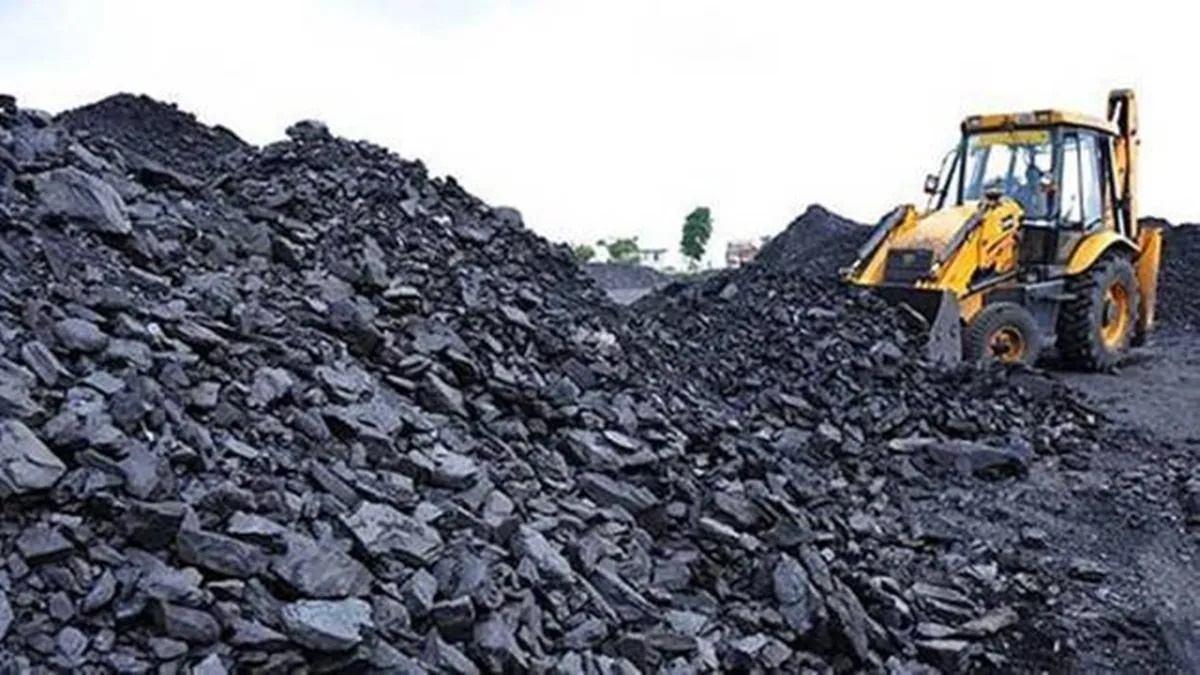
The minister points out that India crossed the milestone of producing over one billion tonnes of coal in 2024–25 and has set an ambitious target of 1.5 billion tonnes by 2030. He adds that coal continues to provide the backbone of India’s energy system, accounting for a significant share of electricity generation and primary energy use, while ensuring affordable power and baseload stability for a fast-growing economy.
At the same time, the article stresses that coal is evolving in line with climate and sustainability goals. Coal public sector undertakings are investing heavily in renewable energy, biomass co-firing, carbon capture pilots, coal gasification and digital mine monitoring. Initiatives such as underground coal gasification and washed coal, the minister notes, signal a “complete reincarnation” of coal in the decades ahead.
Reddy also underlines coal’s role as a force multiplier for industrial growth, supporting sectors such as steel, cement, aluminium, fertilisers and infrastructure, while generating employment across mining, transport and allied industries. He argues that the integration of coal with renewable energy, green hydrogen and cleaner technologies will ensure that the sector remains relevant and resilient.
Looking ahead, Reddy said that coal will continue to be a critical pillar of India’s development strategy, contributing to energy security, industrial competitiveness and economic self-reliance, even as the country accelerates its transition towards a greener and more sustainable future.