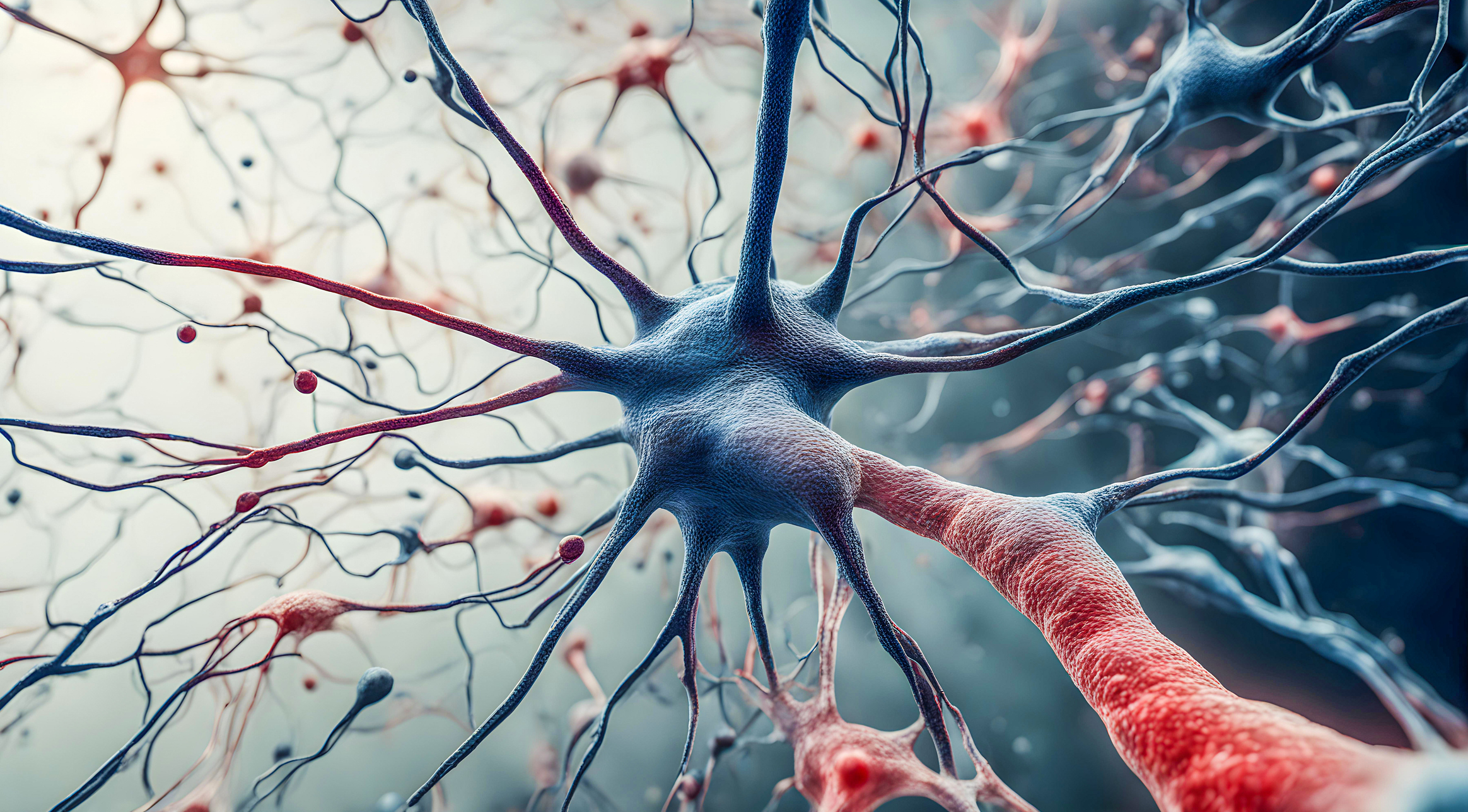
A groundbreaking study has uncovered more than 200 previously undetected misfolded proteins in the brains of aging rats with cognitive decline, offering new insights into the mechanisms of Alzheimer’s and other forms of dementia.
Unlike the well-known amyloid and tau proteins that clump into visible plaques, these newly identified proteins do not form detectable aggregates, making them harder to identify—but potentially just as damaging to brain function.
Scientists believe these “stealth” misfolded proteins may bypass the brain’s natural cleanup mechanisms, silently impairing memory and cognitive abilities.
The research, led by scientists at Johns Hopkins University, opens a new frontier in the understanding of neurodegenerative diseases and may pave the way for novel treatment and prevention strategies.
“These are proteins that misfold without forming amyloids,” said Stephen Fried, an assistant professor of chemistry and protein scientist at Johns Hopkins. “Amyloids are big and easy to spot under a microscope, but our research shows they’re just the tip of the iceberg.”
The findings, published July 11 in Science Advances, are based on a study of 17 two-year-old rats—considered aged in terms of lifespan. Of those, seven were identified as cognitively impaired based on poor performance in memory and problem-solving tests, while the remaining 10 performed comparably to younger six-month-old rats.
Researchers analyzed over 2,500 types of proteins in the hippocampus, the brain region associated with spatial learning and memory. For the first time, they were able to determine whether individual proteins were misfolded, allowing them to distinguish which deformities were related to aging in general, and which were specifically linked to cognitive decline.
They found over 200 proteins that were misfolded in cognitively impaired rats but retained their proper shape in cognitively healthy ones—suggesting a strong connection between these deformities and declining brain function.
Misfolded proteins are known to disrupt cellular processes, but until now, it was believed that only amyloid-forming proteins—like A-beta and tau—posed a threat. Fried noted that many other misfolded proteins, despite not forming visible clumps, may still evade the cell’s protective systems and contribute to degeneration.
“We think there are a lot of misfolded proteins that don’t form amyloids and are still harmful,” Fried explained. “That suggests they have a way of escaping the cell’s surveillance system—but we don’t yet know how.”
The team now plans to use high-resolution microscopy to study the molecular structures of these misfolded proteins in greater detail, in hopes of identifying new therapeutic targets.
“A lot of us have seen loved ones lose the ability to perform everyday tasks,” Fried said. “Understanding what’s physically happening in the brain could lead to better treatments and preventive approaches.”
—ANI